

A Guide to the Serpentine Belt on Your 2011-2015 Subaru Outback
Understand the signs of a failing serpentine belt and how to choose the right replacement for your Outback.
- Squealing noises are the first sign of a problem, but always inspect the tensioner and idler pulleys, as they are a common failure point.
- For 2013-2014 models with the 2.5L engine, be aware of a TSB for belt chirp and choose an updated replacement belt.
- Aftermarket brands like Gates, Continental, and Dayco are reliable alternatives to OEM parts.
- If the belt breaks completely, your car will lose power steering and the ability to charge its battery, making it unsafe to drive.
Is Your Outback's Serpentine Belt Failing?

A serpentine belt is a wear item, meaning it will eventually need to be replaced. For the 2011-2015 Subaru Outback, the most common sign of a problem is noise. Listen for squealing or chirping sounds coming from the engine bay, especially when you first start the car 🎬 Watch: How to diagnose and fix common belt squealing noises. on a cold or wet day. These sounds often mean the belt is old, stretched, or has gotten slippery from fluid leaks. You should also pop the hood and look at the belt itself. If you see multiple cracks, fraying along the edges, or a shiny, glazed appearance, it's time for a replacement.
A Note on Related Parts: Pulleys and Tensioners
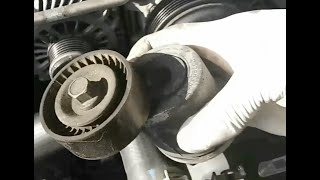
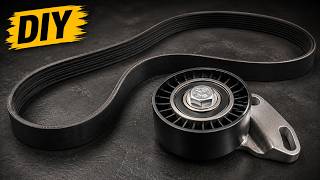
Often, a squealing noise isn't just the belt. The 2011-2015 Outback has an automatic belt tensioner and one or more idler pulleys that guide the belt. The bearings inside these pulleys can wear out, causing a metallic squeak or grinding noise that sounds very similar to a bad belt. It is a common and highly recommended practice to inspect the tensioner and idler pulleys when you replace the belt. Spin them by hand (with the engine off and belt removed). If they feel gritty, make noise, or don't spin smoothly, they should be replaced at the same time 🎬 See this walkthrough for replacing the belt, tensioner, and pulleys. to prevent them from failing and destroying your new belt.
Choosing the Right Aftermarket Serpentine Belt

While you can always get a belt from a Subaru dealer, high-quality aftermarket brands offer similar performance, often at a better price. For your Outback, brands like Continental, Gates, and Dayco are all reputable choices.
- Premium Tier (Continental, Gates): Both Continental and Gates are top-tier manufacturers known for making belts that meet or exceed OEM quality standards. Many professional mechanics prefer these brands for their durability and quiet operation. Bando is another excellent brand and is often the original equipment manufacturer (OEM) for Subaru.
- Standard Tier (Dayco): Dayco is a well-known brand that produces reliable belts. They are a solid choice and widely available, offering a good balance of quality and cost.
Pro Tip: Check for TSBs
Owners of 2013-2014 Outback models with the 2.5L engine should be aware of a Technical Service Bulletin (TSB) related to a chirping noise from the drive belt. Subaru released an updated belt to fix this specific issue. If you have one of these model years, ensure the replacement belt you choose meets the updated design specifications.
How Much Does a Serpentine Belt Replacement Cost?
Replacing the serpentine belt is a fairly straightforward job. The part itself is not expensive, and the labor is minimal for an experienced mechanic.
| Item | Estimated Cost |
|---|---|
| New Aftermarket Serpentine Belt | $25.79 - $57.64 |
| New OEM Serpentine Belt | $28.00 - $48.00 |
| Shop Labor | $50.00 - $150.00 |
| Total Estimated Cost (Aftermarket Part + Labor) | $75.00 - $210.00 |
Note: Costs are estimates and can vary based on your location and repair shop. Replacing the tensioner or idler pulleys will add to the total cost.
Frequently Asked Questions

Is it hard to replace the serpentine belt on a 2011-2015 Outback?
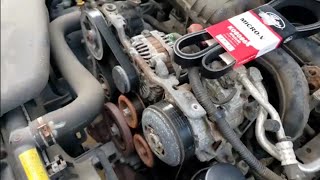
For a DIYer with some experience, it is a manageable job. The boxer engine design provides good access to the belt and pulleys at the front of the engine. The main steps are removing a plastic cover, using a long wrench to release the automatic tensioner, and routing the new belt correctly. 🎬 Watch this DIY guide for a 2.5L serpentine belt replacement. The difficulty is low to moderate, and it can take about 30-45 minutes.
How often should the serpentine belt be replaced?
There is no universal replacement interval, but it's wise to inspect the belt during every oil change. Many manufacturers recommend replacement around 60,000 to 100,000 miles as preventative maintenance. However, you should replace it immediately if it shows signs of wear like cracking, glazing, or making noise.
My new belt is still squeaking. What's wrong?
If a new belt is squeaking, the problem is likely not the belt itself. The most common causes are a weak tensioner that isn't providing enough pressure, a failing idler pulley bearing, or fluid (like oil or power steering fluid) leaking onto the belt. Have the tensioner and pulleys inspected right away.
Are there any recalls for the serpentine belt on this Outback?
No. Searches of the National Highway Traffic Safety Administration (NHTSA) database show no recalls specifically for the serpentine belt system on the 2011-2015 Subaru Outback.
Helpful Videos
Technical Specifications
OEM Part Numbers: 809221140 809221150 809221100
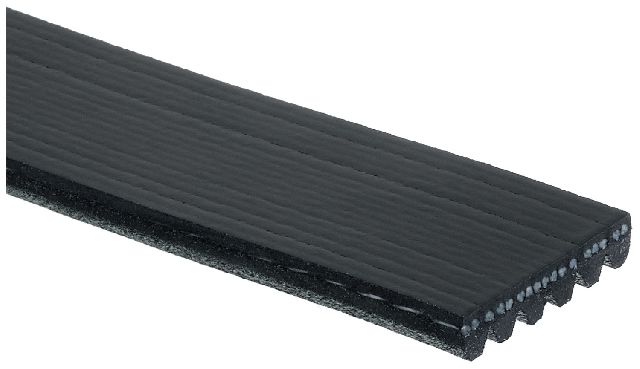
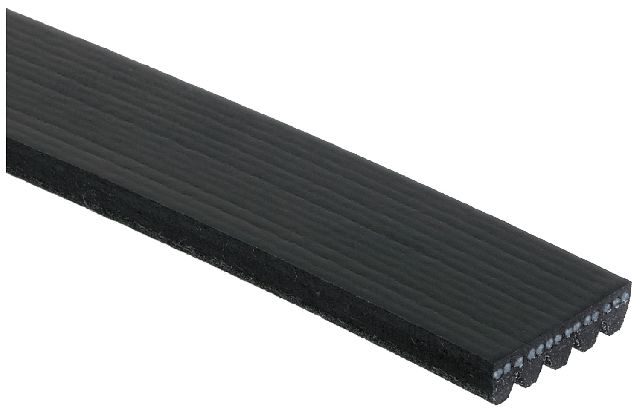
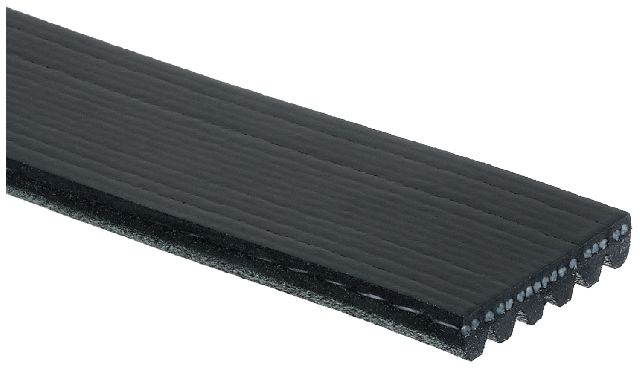
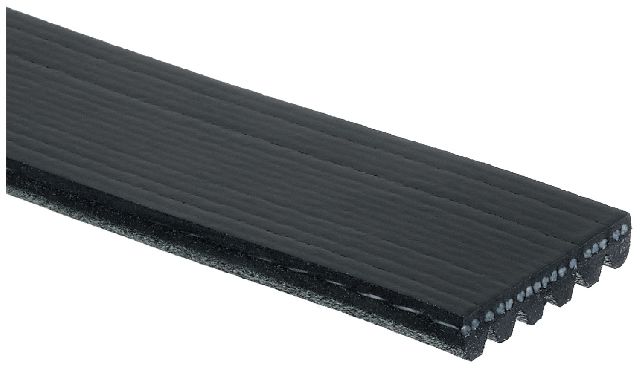
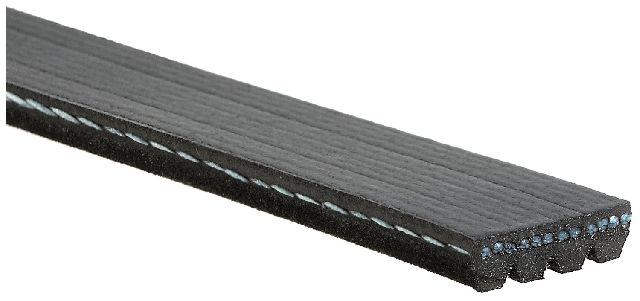
The 2011-2015 Subaru Outback uses a single multi-rib (serpentine) belt. There are different belt lengths for the 2.5L 4-cylinder and 3.6L 6-cylinder engines. Always verify the correct part number for your specific engine before purchasing.
We Have This Part in Stock

The information in this article is provided for general reference and educational purposes only. Vehicle specifications, procedures, and part compatibility can vary by production date, trim level, and region. Always consult your vehicle's factory service manual and verify part numbers before purchasing or performing repairs. Safety-critical components such as airbags, seat belts, and braking systems should be installed by a qualified professional.
- Subaru Outback: