

Toyota Highlander A/C Expansion Valve Guide: 2011-2015
Is your Highlander's A/C blowing warm? Here's what you need to know about the expansion valve.
- Labor is the biggest expense; the cost varies dramatically between 2011-2013 and 2014-2015 models.
- This is not a DIY job. It requires special equipment for handling refrigerant.
- Use a high-quality part like Denso to avoid paying for the expensive labor a second time.
- Always replace the receiver/drier and O-rings when replacing the expansion valve.
Symptoms of a Failing A/C Expansion Valve
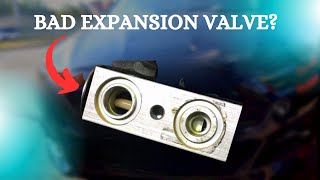
When the A/C expansion valve in your 2011-2015 Highlander starts to fail, the signs are usually easy to notice. The most common issue is warm or lukewarm air coming from the vents, even when the A/C is set to max cold. You might also experience inconsistent cooling, where the air switches between cold and cool for no reason.
Other signs include:
- Frost on Vents or Coils: If the valve is stuck open, it can let too much refrigerant through, causing frost or ice to build up on the evaporator coils or even blow out of the vents.
- Weak Airflow: A malfunctioning valve can sometimes lead to reduced airflow from the vents.
- Hissing Sounds: Unusual hissing or gurgling noises 🎬 Watch: A detailed breakdown of common expansion valve failure symptoms. from the dashboard area can indicate a problem with refrigerant flow through the valve.
Choosing the Right Aftermarket Part
Replacing the expansion valve is a labor-intensive job, so choosing a quality part is crucial to avoid doing the work twice. The cost of the part itself is small compared to the labor bill.
Aftermarket Brand Tiers
| Tier | Brands | Quality & Value Assessment |
|---|---|---|
| Tier 1: OEM or Equal | Denso | Denso is a well-regarded brand and often the original equipment manufacturer (OEM) for Toyota. Choosing Denso is the closest you can get to the original part's quality and is highly recommended to ensure reliability. |
| Tier 2: Reputable Aftermarket | Four Seasons, Nissens, Global Parts | These brands are established aftermarket manufacturers. Four Seasons is a very common brand with generally positive feedback. While they can offer good value, for a repair this difficult, spending a little more for a Tier 1 part is a wise investment. |
Known Issues and Model Year Differences
There are no specific recalls for the A/C expansion valve on the 2011-2015 Toyota Highlander. However, there are important things to know:
- TSB T-SB-0085-16: For 2014-2015 models, Toyota issued a technical service bulletin for a "slow to cool" condition. This issue was related to the A/C compressor and amplifier, not the expansion valve, but it is a known A/C problem for these model years.
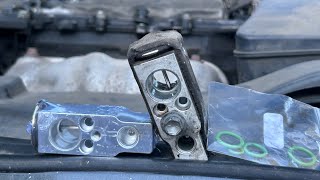
- TSB T-TT-0520-19: Toyota released a guide for technicians on how to better inspect A/C components, including the expansion valve and its O-rings, to prevent leaks and repeat repairs. 🎬 Watch: How a technician diagnoses and fixes Highlander A/C leaks. This shows the importance of careful installation.
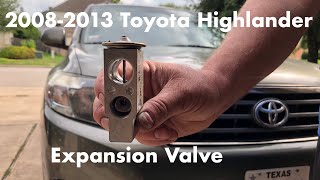
- Major Labor Cost Difference: Repair cost estimates show a significant difference between model years. Replacing the valve on a 2011-2013 Highlander can cost over $1,000 in labor, 🎬 See this walkthrough of the complex 2008-2013 replacement process. while the same job on a 2014-2015 model is estimated to be much less, around $413-$571. This suggests the location or replacement procedure changed significantly with the 2014 model year redesign, making the job easier.
Pro Tip: Replace, Don't Just Repair
Because the labor cost is so high, especially on 2011-2013 models, it is highly recommended to replace the receiver/drier anytime the A/C system is opened. This part absorbs moisture and filters debris. A new drier is essential for the longevity of the new expansion valve and the entire A/C system.
Frequently Asked Questions
Can I replace the Highlander's A/C expansion valve myself?
This is not recommended as a DIY project. The job requires specialized equipment to safely recover the refrigerant, pull a vacuum to remove all moisture, and correctly recharge the system. Attempting this without the right tools and knowledge can damage the A/C system or cause injury.
Is there a recall for the A/C system on the 2011-2015 Highlander?
No, there are no active recalls from the NHTSA for the A/C expansion valve or related A/C components for this specific issue.
My Highlander has rear A/C. Does it have a second expansion valve?
Yes, vehicles equipped with a rear climate control system typically have a second expansion valve for the rear evaporator unit. If you are experiencing issues, it's important to diagnose which valve (front or rear) is causing the problem.
What other parts should I replace at the same time?
Anytime the A/C system is opened for a major repair like this, you must replace the receiver/drier (or accumulator). It's also critical to replace all the small rubber O-rings for the connections to prevent leaks. A technician should also flush the system if the old compressor failed and sent debris through the lines.
Helpful Videos

Technical Specifications
OEM Part Numbers: 88515-07030 88515-33020 88515-08120 88515-28200 88515-0E110
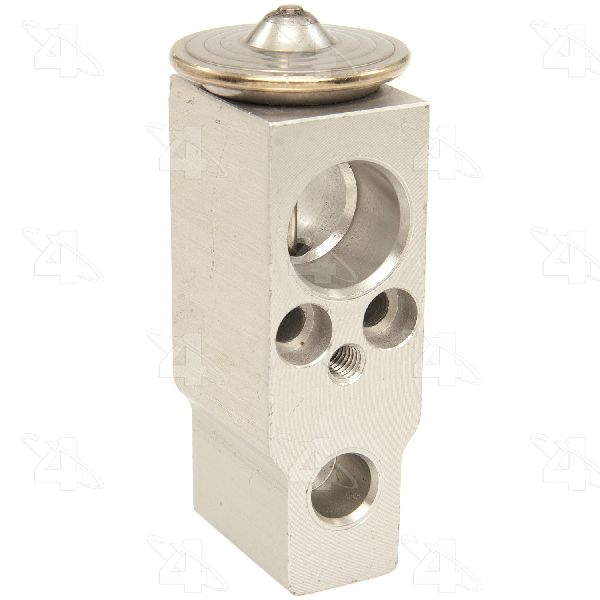
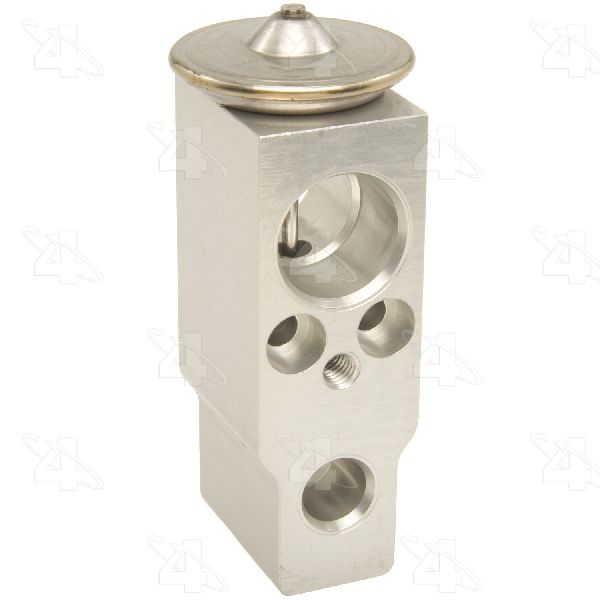
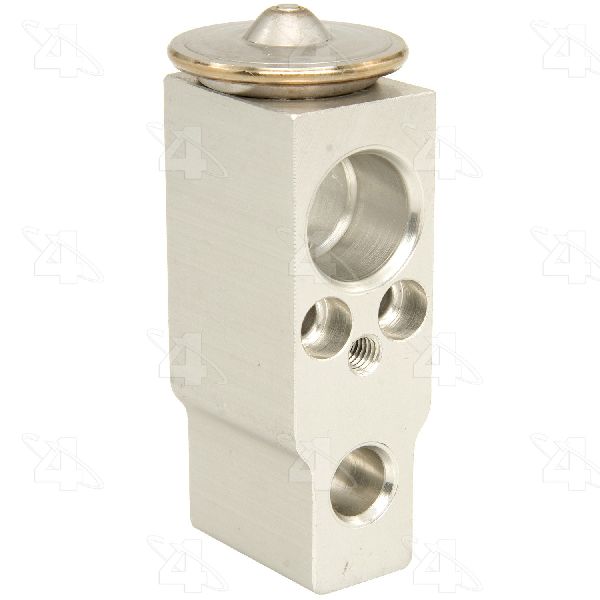
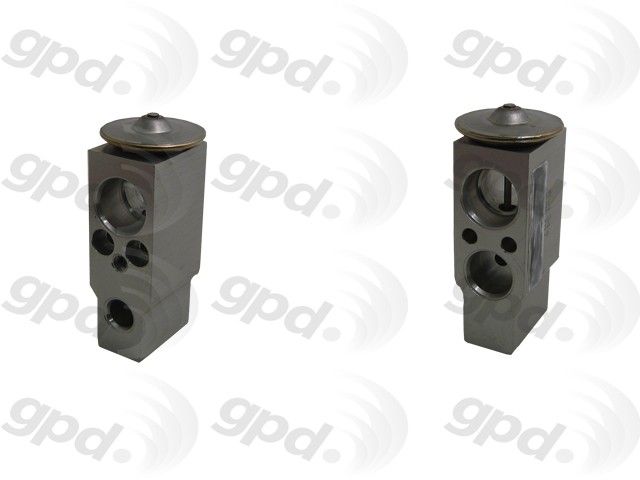
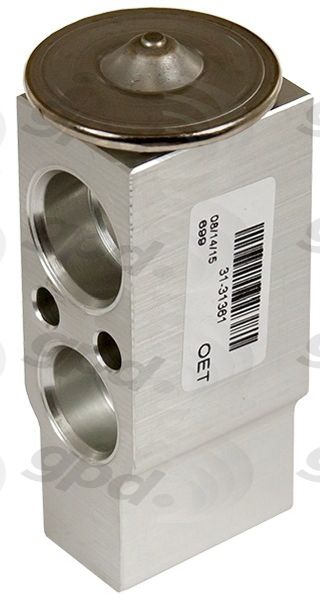
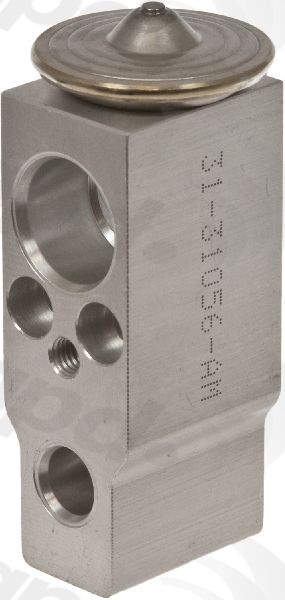
The 2011-2015 Highlander uses a block-type thermal expansion valve (TXV). Models with rear A/C have a second, separate expansion valve for the rear unit. The system uses R134a refrigerant.
We Have This Part in Stock

The information in this article is provided for general reference and educational purposes only. Vehicle specifications, procedures, and part compatibility can vary by production date, trim level, and region. Always consult your vehicle's factory service manual and verify part numbers before purchasing or performing repairs. Safety-critical components such as airbags, seat belts, and braking systems should be installed by a qualified professional.
- Toyota Highlander: