

A Guide to the Clutch Master Cylinder for the 2011-2016 Audi S4
Understanding the symptoms of failure and how to choose the right replacement part for your B8 or B8.5 S4.
- A soft or sinking clutch pedal is a primary symptom of a failing master cylinder.
- A common starting issue is likely due to clutch wear, not the master cylinder, per a TSB.
- Due to high labor costs and part complexity, using an OEM or OEM-equivalent (Sachs, LUK) part is strongly recommended over a budget aftermarket option.
- This is a difficult replacement job not recommended for beginner or intermediate DIY mechanics.
Symptoms of a Failing Clutch Master Cylinder
A failing clutch master cylinder can make your S4 difficult or even impossible to drive. The symptoms often start small and get worse over time. If you notice any of these signs, it's time to inspect the clutch hydraulic system.
- Spongy or Soft Clutch Pedal: If your clutch pedal feels soft, mushy, or has a lot of travel before engaging, it's a classic sign of failure. This is often caused by internal seals wearing out or air getting into the hydraulic lines.
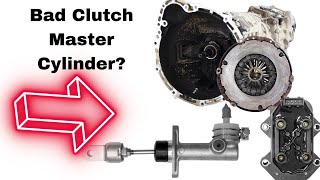
- Clutch Pedal Sinks to the Floor: The pedal may slowly sink to the floor when you hold it down, for example at a stop light. In more severe cases, the pedal might stick to the floor and not return on its own. 🎬 Watch: See how a sticking pedal indicates master cylinder failure.
- Difficulty Shifting Gears: A bad master cylinder can't create enough pressure to fully disengage the clutch. This makes it hard to get the car into gear from a stop or to shift between gears, and you might hear a grinding noise.
- Low or Contaminated Clutch Fluid: The clutch system shares fluid with the brake reservoir. If you find yourself needing to top off the fluid, or if the fluid looks dark and dirty, it can point to worn seals inside the master cylinder. You might also find a fluid leak inside the car, under the dashboard by the clutch pedal.
Important TSB Information: Starting Problems
There is an Audi Technical Service Bulletin (TSB 2028229/2) for the 2011-2014 S4 regarding an issue where the car won't start or only starts when the clutch pedal is pressed extremely hard. The TSB states that this is often caused by clutch mechanism wear, not a faulty master or slave cylinder. Replacing the master cylinder will not fix this specific problem. Proper diagnosis is key.
Choosing the Right Aftermarket Part: OEM vs. Aftermarket
When replacing the clutch master cylinder on a performance car like the S4, part quality is critical. The labor involved is significant, so you don't want to have to do the job twice.
- OEM / OEM-Equivalent (Sachs, LUK): The original part is made by suppliers like Sachs or LUK. These are the safest bet for fit, function, and longevity. Given the complexity of the system, including an electronic sensor on the cylinder, many experienced owners and mechanics recommend sticking with OEM or an OEM supplier.
- Aftermarket (Beck Arnley): Beck Arnley is a well-known aftermarket brand that sources parts from various manufacturers. Sometimes, you might get a rebranded OEM part in a Beck Arnley box. Other times, it could be a part from a different manufacturer that may or may not have the same quality standards. This is a "hit or miss" scenario. While the initial cost is lower, if the part fails prematurely, the savings are lost to the high cost of labor for a second replacement.
Pro Tip: Given the high cost of labor for this repair, spending a little extra on an OEM or OEM-equivalent part from a brand like Sachs or LUK is a wise investment for peace of mind and long-term reliability.
Estimated Replacement Costs
The cost to replace the clutch master cylinder can vary based on your location and the shop's labor rates. The part itself is a smaller portion of the total bill than the labor.
| Part / Service | Estimated Cost |
|---|---|
| New OEM Part | $200 - $330 |
| New Aftermarket Part (Beck Arnley) | $145 - $185 |
| Shop Labor | $365 - $535 |
| Total Professional Replacement | $730 - $905 |
Frequently Asked Questions (FAQ)
Is it safe to drive with a failing clutch master cylinder?
It is not recommended. A failing master cylinder can leave you stranded without the ability to shift gears. If the clutch fails to disengage, you may stall in traffic, and if it fails to engage, you won't be able to move, creating a serious safety hazard.
Should I replace the slave cylinder at the same time?
Many mechanics recommend replacing the slave cylinder at the same time as the master cylinder. The components wear at a similar rate, and since the system will be open and require bleeding anyway, replacing both can save you from a future repair and additional labor costs down the road.
Can I replace the clutch master cylinder myself?
This is a difficult job for a DIY mechanic. It requires working in a tight space under the dashboard and also in the engine bay, where the ECU and wiper assembly must be removed for access. It also requires properly bleeding the hydraulic system afterward. 🎬 Watch: A professional guide to properly bleeding the Audi clutch system. This job is best left to experienced mechanics unless you have a high level of skill and the proper tools.
🎬 Watch: This step-by-step walkthrough shows the complexity of the replacement.Were there any recalls for the 2011-2016 S4 clutch master cylinder?
No. There have been no specific recalls issued by the NHTSA for the clutch master cylinder on the 2011-2016 Audi S4. Any recalls found for Audi master cylinders typically relate to the brake system on different models.
Helpful Videos

Technical Specifications
OEM Part Numbers: 8K1721401H 8K1721401G 8K1721401E 8K1721401D 8K1721401B 8K1721401A 8K1721401
The clutch master cylinder for the B8/B8.5 S4 is a hydraulic cylinder that includes an integrated clutch position sensor. It shares fluid with the brake master cylinder reservoir.

The information in this article is provided for general reference and educational purposes only. Vehicle specifications, procedures, and part compatibility can vary by production date, trim level, and region. Always consult your vehicle's factory service manual and verify part numbers before purchasing or performing repairs. Safety-critical components such as airbags, seat belts, and braking systems should be installed by a qualified professional.
- Audi S4: