

A Guide to the Serpentine Belt on Your 2011-2016 BMW X1
Everything an owner needs to know about keeping the heart of your engine's accessory drive system running smoothly.
- Inspect for oil leaks from the oil filter housing gasket before replacing the belt; this is a common failure point that will destroy a new belt.
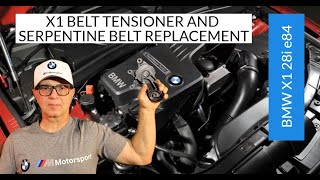
- For a complete and lasting repair, replace the belt tensioner and idler pulleys at the same time as the belt, especially after 80,000 miles.
- Aftermarket brands like Continental, Gates, and Dayco offer OEM-quality parts that provide excellent value.
- Verify if your X1 has one or two front-end accessory belts; early N20 models have a second belt for power steering that complicates the job.
Is your BMW X1 Serpentine Belt Failing?

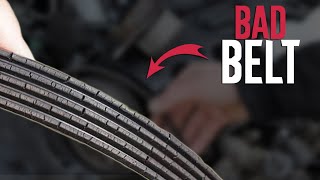
A failing serpentine belt gives clear warning signs. If you hear a high-pitched squeal or a chirping noise from the engine bay, especially on cold starts, it's often the first symptom. As the belt wears, you might see cracks, fraying, or glazing on its surface. A buzzing or grinding sound can point to a failing tensioner or idler pulley, which should be replaced along with the belt.
If the belt breaks completely, you will experience an immediate loss of power steering (on models with hydraulic steering), your A/C will blow warm air, and a battery warning light will appear on your dash as the alternator stops charging. The engine will also begin to overheat quickly because the water pump is no longer turning. It is critical to stop the vehicle immediately if the belt breaks.
Choosing the Right Aftermarket Belt: OEM vs. Aftermarket

For the 2011-2016 BMW X1, the original factory belt is often made by Continental. This means you can get a part of identical quality to the genuine BMW part by purchasing a Continental belt, but without the dealership price tag. Brands like Gates and Dayco are also well-regarded in the aftermarket and produce quality belts that meet or exceed OEM specifications. Given that top-tier aftermarket brands are often the original suppliers, there is excellent value and quality available without needing to buy a part in a BMW-branded box.
Pro Tip: Check for Oil Leaks
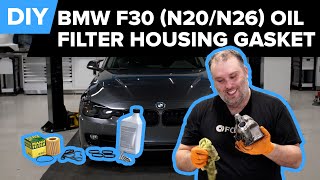
A very common issue on the N20 and N55 engines is a leaking oil filter housing gasket. This leak drips oil directly onto the serpentine belt and tensioner, causing the rubber to swell, soften, and fail prematurely. Before installing a new belt, inspect this area thoroughly. If there is any sign of an oil leak, you must replace the gasket, or your new belt will not last.
Which Brand Should You Choose?

When shopping for a new serpentine belt, you'll find several trusted options. Here’s an honest breakdown for your X1:
- Continental: Often the Original Equipment (OE) supplier for BMW. Choosing Continental is essentially like buying the genuine part without the extra cost. They are a top-tier, reliable choice.
- Gates: A major player in the aftermarket belt industry with a strong reputation for quality and durability. Many professional mechanics trust and use Gates belts for all makes, including European vehicles.
- Dayco: Another solid aftermarket brand that produces reliable belts. They are known for engineering belts that can help eliminate noise on high-mileage or slightly misaligned drives.
You can't go wrong with any of these three brands. The most important factor is to pair your new belt with a new tensioner and idler pulley if your vehicle has over 80,000 miles.
How Much Does a Serpentine Belt Replacement Cost for a 2011-2016 BMW X1?
The cost can vary depending on whether you do the job yourself or take it to a repair shop. The job is more complex on early models with a separate belt for hydraulic power steering.
| Part/Service | Estimated Cost |
|---|---|
| New Aftermarket Serpentine Belt | $37 - $71 |
| New OEM Serpentine Belt | $30 - $60 |
| Shop Labor | $150 - $400 |
| Total Professional Replacement | $250 - $500 |
Note: Costs are estimates and can vary by location and which components are replaced. It is highly recommended to replace the belt tensioner and idler pulleys at the same time, which will add to the total parts cost.
Frequently Asked Questions

Do I need to replace the tensioner and pulleys with the belt?
Yes, it is highly recommended. The tensioner is a spring-loaded part that keeps the belt tight, and it wears out over time. A weak tensioner can cause a new belt to squeal or slip. Replacing the belt, tensioner, and idler pulleys as a kit is the best practice for a long-lasting repair, especially on vehicles with over 80,000 miles.
Is the serpentine belt replacement a DIY job?
For many owners, yes. On X1 models with the N20 engine and electric power steering, the job is straightforward with basic tools. However, on earlier N20 models with a separate belt for hydraulic power steering, the job is more complex as the second belt must be removed first. Always consult a reliable DIY guide for your specific engine (N20 or N55) before starting.
Were there any recalls for the serpentine belt on the 2011-2016 X1?
No, there have been no specific recalls or technical service bulletins (TSBs) issued by BMW or the NHTSA for the serpentine belt on the 2011-2016 BMW X1.
What's the difference between the N20 and N55 engine belts?
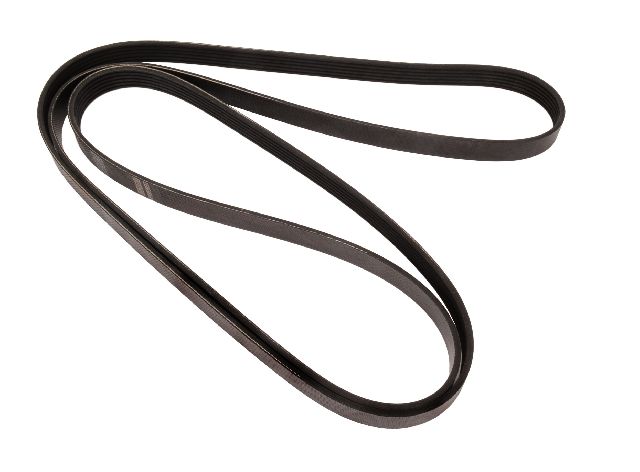
The 4-cylinder N20 (xDrive28i) and 6-cylinder N55 (xDrive35i) engines use different serpentine belts and have different routing paths. It is critical to order the correct belt for your specific engine. The N20 belt is shorter than the N55 belt. Always verify the part number for your vehicle's VIN.
Helpful Videos
Technical Specifications
OEM Part Numbers: 11287618848 (for N20 Engine) 11287628653 (for N55 Engine)
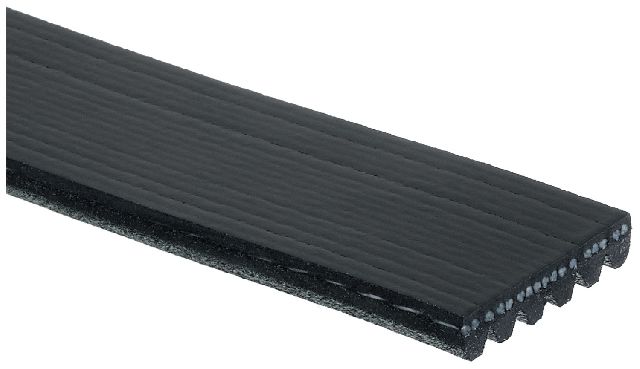
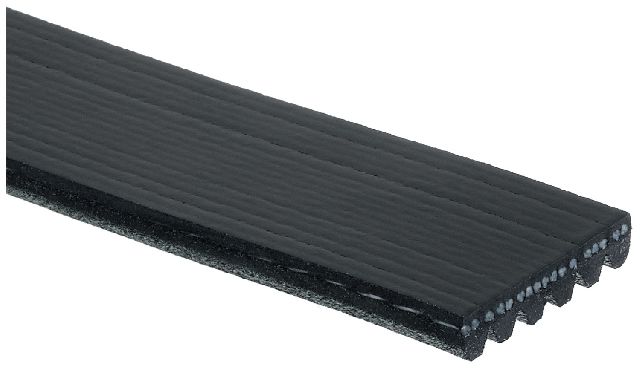
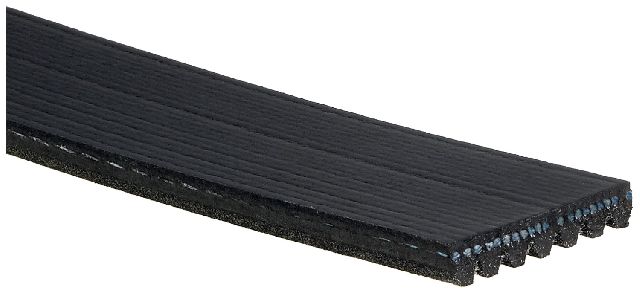
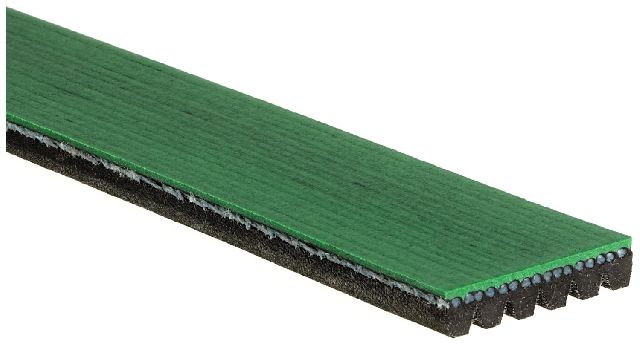
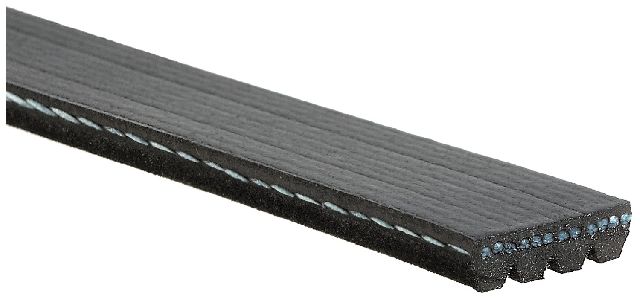
Material: EPDM (Ethylene Propylene Diene Monomer) Rubber. Rib Count: Varies by engine (typically 6-rib for N20, 7 or 8-rib for N55).
We Have This Part in Stock

The information in this article is provided for general reference and educational purposes only. Vehicle specifications, procedures, and part compatibility can vary by production date, trim level, and region. Always consult your vehicle's factory service manual and verify part numbers before purchasing or performing repairs. Safety-critical components such as airbags, seat belts, and braking systems should be installed by a qualified professional.
- BMW X1:
- 🎬 Helpful Videos
- 🛍️ Shop This Part
- Is your BMW X1 Serpentine Belt Failing?
- Choosing the Right Aftermarket Belt: OEM vs. Aftermarket
- Pro Tip: Check for Oil Leaks
- Which Brand Should You Choose?
- How Much Does a Serpentine Belt Replacement Cost for a 2011-2016 BMW X1?
- Frequently Asked Questions
- 🎟️ Get 5% Off