

A Guide to the 2011-2016 Dodge Challenger Rear CV Axle Shaft
Understand the signs of a failing CV axle and how to choose the right replacement for your Challenger.
- The most common sign of failure is a clicking noise when turning.
- You must order the correct axle for your specific Challenger trim (SE, R/T, Scat Pack, etc.) as they are not all the same.
- OEM Mopar parts are considered higher quality for this performance vehicle, but quality aftermarket parts are a cost-effective option for many owners.
- A completely failed axle will leave the car unable to move, so it's important to address the symptoms early.
Symptoms of a Failing CV Axle
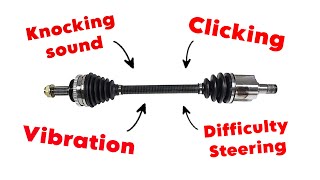
A bad CV axle will almost always give you a warning sign before it fails completely. Listening to your car is key. 🎬 Watch: See and hear these 5 common bad axle symptoms. The most common symptom is a rhythmic clicking or popping sound that gets faster as you speed up, especially when making turns. You might hear this most in a parking lot during sharp, slow turns.
- Clicking or Popping Noises: This is the classic sign of a worn outer CV joint. The noise is most obvious during turns. If you hear it when turning left, the left axle is likely the problem.
- Vibrations While Driving: A damaged or unbalanced axle can cause vibrations that you feel through the car, especially when you accelerate. This can feel like a wheel is out of balance.
- Clunking Sound: A clunk when you shift from drive to reverse, or when you get on or off the gas, can point to a failing inner CV joint.
- Grease on the Inside of the Wheel: The CV joints are protected by a rubber boot filled with grease. If this boot tears, it will sling dark, heavy grease onto the inside of your wheel and suspension parts. This is a visual sign that the joint is now exposed to dirt and will fail soon.
What Happens If It Breaks?
If a CV axle fails completely while you are driving, the engine will rev, but the car will not move. The wheel connected to the broken axle will no longer receive power, leaving you stranded.
Choosing the Right Aftermarket CV Axle
When it's time to replace a CV axle, you have two main choices: original equipment (OEM) from Mopar or an aftermarket part from a brand like Surtrak. For a high-performance car like a Challenger, this choice matters.
Mopar (OEM): This is the same part your Challenger was built with. It's guaranteed to fit and is designed to handle the torque of your engine. Forum members often recommend sticking with OEM for drivetrain parts on performance vehicles to ensure quality and longevity. The downside is the high cost, which can be several hundred dollars more per axle than aftermarket options.
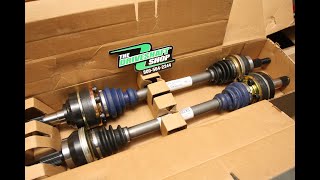
Surtrak (Aftermarket): Aftermarket brands offer a much more affordable option. Surtrak axles are built to match the original fit and function, using strong neoprene boots and high-temperature grease. For a daily driven V6 or even a stock R/T, a quality aftermarket axle is often a perfectly good choice. However, for heavily modified cars or those that see aggressive driving, the long-term durability 🎬 Watch: Installing heavy-duty performance axles for high-horsepower builds. might not match the OEM part. Some users of budget aftermarket axles in other vehicles report vibrations or a shorter lifespan.
Pro Tip: Match the Part to Your Car
The single most important step is ordering the correct axle. Challengers came with different rear differentials (e.g., 215mm, 220mm, 230mm) depending on the trim (SE, R/T, Scat Pack). These use different length axles. Always verify the part fits your exact year and trim level before ordering.
Cost to Replace a Dodge Challenger CV Axle
The cost depends on whether you do the work yourself or hire a shop, and which brand of part you choose.
| Part or Service | Estimated Cost |
|---|---|
| New Aftermarket CV Axle | $141 - $250 |
| New OEM (Mopar) CV Axle | $550 - $750+ |
| Shop Labor | $140 - $300 |
| Total (Shop Repair, Aftermarket Part) | $281 - $550 |
| Total (Shop Repair, OEM Part) | $690 - $1050+ |
Frequently Asked Questions
Do I need to replace CV axles in pairs?
No, you only need to replace the axle that has failed. Unlike brakes, CV axles are independent, and one failing does not mean the other is about to fail.
Is replacing a Challenger CV axle a DIY job?
For an experienced DIY mechanic, yes. The process involves lifting the car, removing the wheel, disconnecting suspension links, and unbolting the axle. However, some Challenger models, especially higher trims, have very tight clearances that can make the job difficult without special tools or more extensive disassembly. If you are not comfortable working on suspension and drivetrain components, it's best to leave this job to a professional.
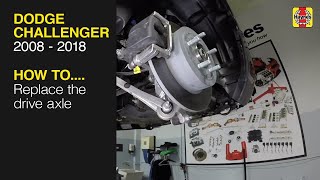
🎬 See this step-by-step walkthrough for replacing a Challenger drive axle.What is the difference between the left and right CV axle?
The left (driver side) and right (passenger side) axles are often different lengths and are not interchangeable. You must order the specific side you need for your vehicle.
Are there any recalls for the 2011-2016 Challenger CV axle?
There are no major recalls specifically for the rear CV axles on the 2011-2016 RWD Dodge Challenger. A recall for front halfshafts applied to some later model AWD vehicles, and another notice was for a pinion issue on 2021-2022 models, but neither affects this specific year range and drivetrain.
Helpful Videos

Technical Specifications
OEM Part Numbers: P68080384AA P6808383AA 53010748AA 53010749AA
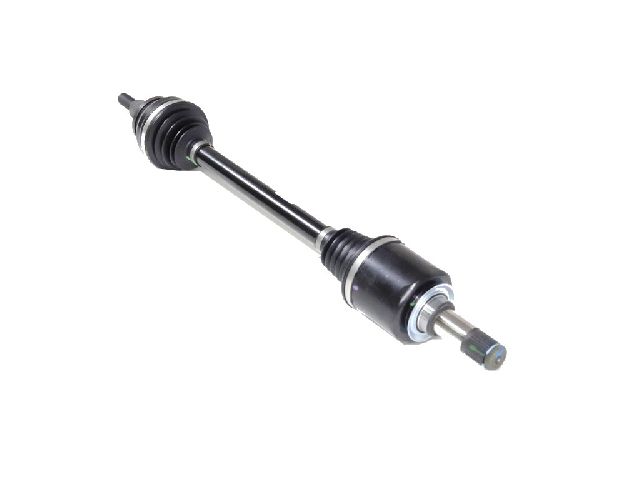
The 2011-2016 Dodge Challenger uses a rear-wheel-drive setup with an independent rear suspension. CV axles are specific to the differential size (e.g., 215mm, 220mm, 230mm) and vehicle side (left or right). Axles consist of an inner and outer CV joint connected by a shaft.
We Have This Part in Stock


The information in this article is provided for general reference and educational purposes only. Vehicle specifications, procedures, and part compatibility can vary by production date, trim level, and region. Always consult your vehicle's factory service manual and verify part numbers before purchasing or performing repairs. Safety-critical components such as airbags, seat belts, and braking systems should be installed by a qualified professional.
- Dodge Challenger: