

A Guide to the 2011-2016 Dodge Durango A/C Compressor
Is your Durango's A/C blowing warm? Here’s what you need to know before replacing the compressor.
- A failing A/C compressor in a 2011-2016 Durango often causes warm air, grinding noises, or refrigerant leaks.
- If the compressor failed internally ('black death'), you must also replace the condenser and receiver/drier and flush the system.
- Denso is a top-tier aftermarket brand offering OEM quality; Four Seasons and Valeo are budget-friendly alternatives.
- A/C system work requires specialized equipment to handle refrigerant; professional service is highly recommended for this repair.
Is Your Durango's A/C Ready for Summer?

For 2011-2016 Dodge Durango owners, a failing air conditioning system is a common headache, especially as these vehicles age. The A/C compressor is often the culprit. When it fails, you'll get warm air from the vents, hear strange noises from the engine bay, or the A/C might work intermittently. Understanding the signs of failure and your replacement options can save you time and money.
Common Symptoms of a Failing A/C Compressor

A bad A/C compressor will make itself known. Here are the most common signs to watch for:
- Warm Air from Vents: This is the most obvious symptom. If the compressor can't pressurize the refrigerant, the system can't cool the air.
- Strange Noises: A grinding, squealing, or rattling sound from the engine area when the A/C is turned on often points to a failing compressor clutch or internal bearing failure.
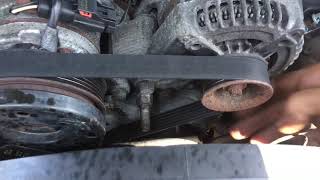
- A/C Clutch Not Engaging: The compressor's clutch is a pulley that engages and disengages the unit. You should hear a 'click' when you turn on the A/C, and see the center plate of the pulley start spinning. If it doesn't engage, the compressor isn't running.
- Leaking Refrigerant: The compressor has seals that can fail over time, leading to refrigerant leaks. You might notice a greasy residue on the compressor body. 🎬 Watch: How to find and fix common A/C refrigerant leaks
Beware of "Black Death"
If an A/C compressor fails internally, it can send tiny metal shavings throughout the entire A/C system. This is known as "black death." If this happens, simply replacing the compressor is not enough. The metal debris will destroy the new compressor quickly. A full system flush is required, and you must also replace the A/C condenser and the receiver/drier (or accumulator) to prevent a repeat failure.
Choosing the Right Aftermarket A/C Compressor

When it comes to aftermarket parts, not all brands are created equal. For the Dodge Durango, the quality of the compressor you choose will directly impact its longevity and performance.
Tier 1: OEM Quality Brands
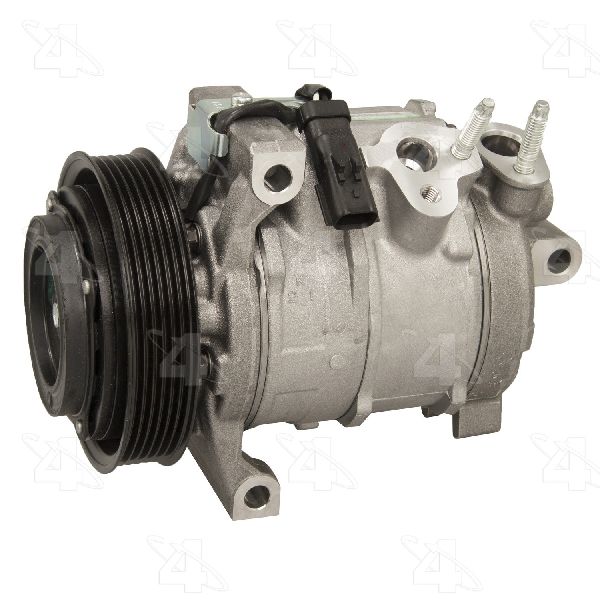
Denso: Denso is a well-regarded OEM supplier for many automakers and is often the top recommendation for aftermarket A/C parts. Choosing a new Denso compressor is the closest you can get to factory quality. They are known for durability and quiet operation, making them a safe bet for owners who plan to keep their Durango for a long time.
Tier 2: Quality Aftermarket Brands
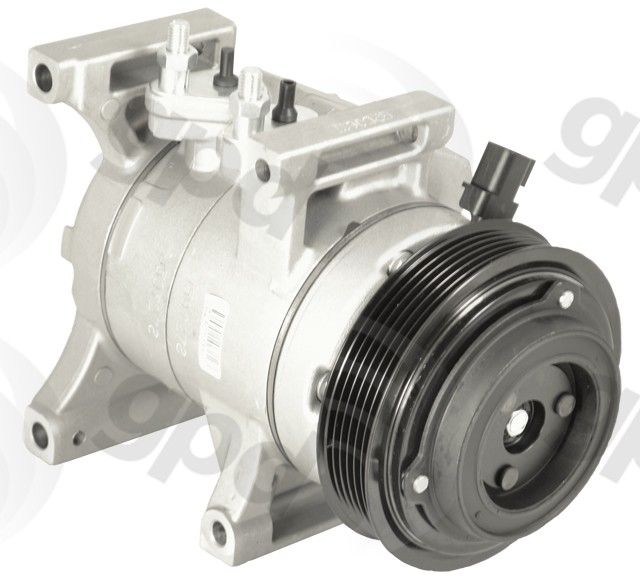
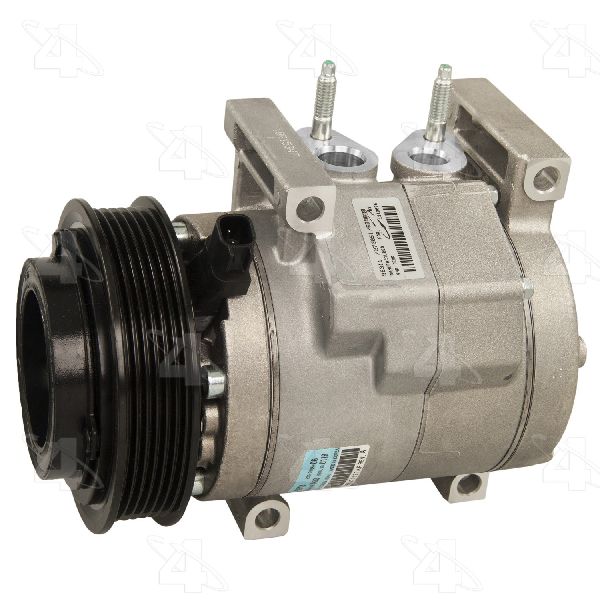
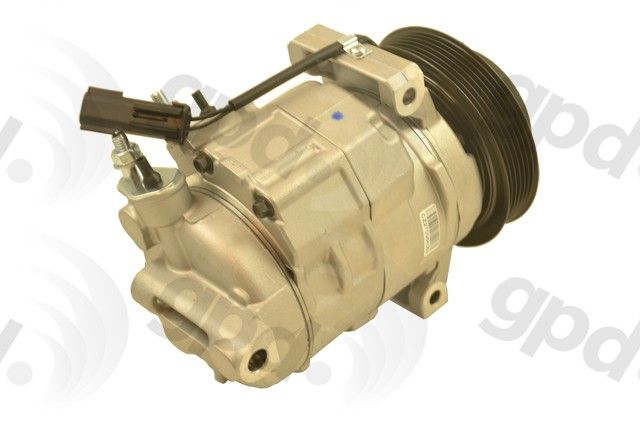
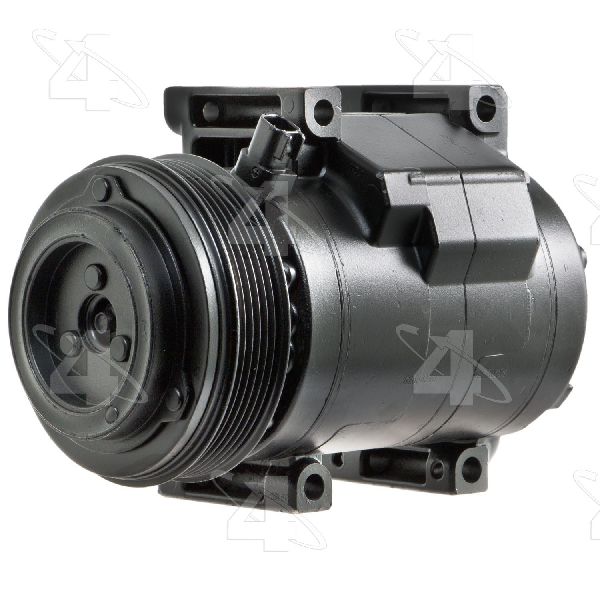
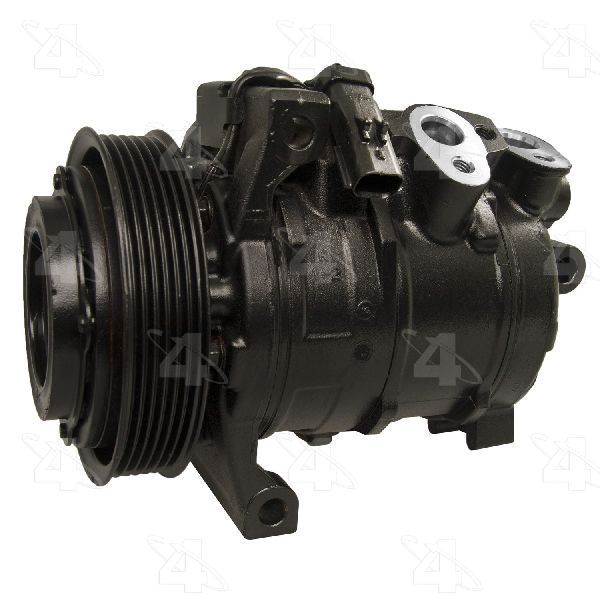
Valeo, Four Seasons, Global Parts (GPD): These brands are popular in the aftermarket and offer a more budget-friendly option than Denso or a new OEM part. Four Seasons has a wide range of new and remanufactured options. While many people have success with these brands, some professional mechanics report a higher failure rate compared to Denso. They can be a good choice if you are on a tighter budget, but be aware of the quality trade-off.
Pro Tip: Buy a Kit
Many aftermarket brands offer A/C compressor kits. These kits typically include the compressor, a new receiver/drier, an expansion valve or orifice tube, and the necessary O-rings and seals. Buying a kit is highly recommended because it ensures you replace all the critical one-time-use components, which is also a requirement for the part's warranty.
Known Issues, TSBs, and Recalls

While there are no direct A/C compressor recalls for the 2011-2016 Dodge Durango, Chrysler did issue a Technical Service Bulletin (TSB) RRT 16-061 for some 2017 models built between March and April 2016. This TSB addresses intermittent A/C operation and rattling noises, with the fix being a potential compressor replacement. While it doesn't officially cover the 2011-2016 model years, the symptoms are very similar to common complaints from owners of those vehicles.
| Part/Service | Estimated Cost |
|---|---|
| New OEM (Mopar) Compressor | $560 - $1,040 |
| New Aftermarket Compressor | $249 - $627 |
| Shop Labor | $150 - $270 |
| Total Professional Replacement | $950 - $1,300+ |
Frequently Asked Questions (FAQ)
Can I replace the A/C compressor myself?
This is an advanced DIY job. While the physical replacement is possible for a skilled home mechanic, the A/C system must be legally and safely evacuated of refrigerant by a certified shop before you begin work. After installation, the system needs a vacuum pulled and a precise recharge, which also requires specialized equipment. For most owners, professional installation is recommended.
🎬 See this step-by-step walkthrough of the compressor removal processDo I need to replace the condenser too?
If your old compressor failed internally and contaminated the system with debris (black death), you absolutely must replace the condenser, receiver/drier, and expansion valve. Failure to do so will void the warranty on your new compressor and cause it to fail prematurely.
My A/C blows cold for a minute and then gets warm. Is it the compressor?
This can be a symptom of a few different issues. It could be a failing compressor clutch, a system that is low on refrigerant, or a clogged expansion valve. A professional diagnosis is recommended 🎬 Watch: Diagnosing loud hissing or breathing sounds from your A/C to pinpoint the exact cause before replacing parts.
What is the difference between an OEM and aftermarket compressor?
An OEM (Original Equipment Manufacturer) part is made by the same company that supplied it to Dodge for the factory assembly line. Aftermarket parts are made by other companies. High-quality aftermarket brands like Denso (which is also an OEM supplier) can meet or exceed factory standards, while more budget-oriented brands may offer a shorter lifespan in exchange for a lower price.
Helpful Videos
Technical Specifications
OEM Part Numbers: 55111514AC 68158260AB
Compressor Type: Denso 10SRE18C, Refrigerant Type: R-134a, Oil Type: PAG 46.
We Have This Part in Stock

The information in this article is provided for general reference and educational purposes only. Vehicle specifications, procedures, and part compatibility can vary by production date, trim level, and region. Always consult your vehicle's factory service manual and verify part numbers before purchasing or performing repairs. Safety-critical components such as airbags, seat belts, and braking systems should be installed by a qualified professional.
- Dodge Durango:
- 🎬 Helpful Videos
- 🛍️ Shop This Part
- Is Your Durango's A/C Ready for Summer?
- Common Symptoms of a Failing A/C Compressor
- Beware of "Black Death"
- Choosing the Right Aftermarket A/C Compressor
- Tier 1: OEM Quality Brands
- Tier 2: Quality Aftermarket Brands
- Pro Tip: Buy a Kit
- Known Issues, TSBs, and Recalls
- Frequently Asked Questions (FAQ)
- 🎟️ Get 5% Off