

A Home Mechanic's Guide to the 2011-2016 Dodge Durango Serpentine Belt
Learn how to spot a failing serpentine belt and choose the right aftermarket replacement for your V6 or V8 Durango.
- Inspect the belt for cracks and wear at every oil change; plan to replace it by 90,000 miles.
- A squealing noise is the most common early warning sign of a failing belt.
- For reliability, choose a top-tier aftermarket brand like Gates or Continental.
- Always replace the belt tensioner and idler pulleys at the same time as the belt to prevent future failure.
Is Your Durango's Serpentine Belt About to Fail?
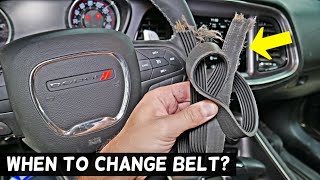
A serpentine belt is a wear-and-tear item, meaning it will eventually need to be replaced. For the 2011-2016 Dodge Durango, you should inspect the belt around 60,000 miles and plan on replacing it by 90,000 miles. 🎬 Watch this video to learn when to replace your belt. However, harsh climates can shorten its life. Look for these common signs of a worn-out belt:
- Squealing or Chirping Noises: This is often the first sign. The noise may be constant or happen only during startup or when turning the steering wheel.
- Visible Wear: Look for cracks, fraying, missing chunks, or a glazed, shiny appearance on the ribbed side of the belt.
- Accessory Problems: If your power steering feels heavy, your A/C isn't blowing cold, or your battery light comes on, a slipping or broken belt could be the cause.
- Engine Overheating: A failing belt can't properly turn the water pump, leading to a rapid increase in engine temperature.
Alternator Recalls and Your Belt
Many 2011-2014 Durangos were part of major recalls for alternator failure (NHTSA Campaigns 14V-634 and 17V-435). A failing alternator can seize, causing the serpentine belt to snap, which can lead to a sudden vehicle stall. If your vehicle was part of these recalls, the alternator should have been replaced. A faulty alternator puts extreme stress on the belt and can cause it to fail prematurely.
Choosing the Right Aftermarket Serpentine Belt
You don't need to buy an expensive OEM Mopar belt to get reliable performance. Many aftermarket brands offer excellent quality, often meeting or exceeding OEM specifications. Here’s a breakdown of trusted brands for your Durango:
Top-Tier (OEM Quality or Better):
- Gates: Widely regarded as a top-tier manufacturer for belts and hoses. Gates belts are known for their durability and quiet operation, and they are a preferred choice for many professional mechanics.
- Continental: Another premium brand that is often an original equipment manufacturer for many car brands. Their belts are praised for quality and longevity.
Mid-Grade (Excellent Value):
- Dayco: A well-known brand that produces reliable EPDM rubber belts that resist noise and wear. While some have had mixed experiences with their other parts, their serpentine belts are generally considered a solid, dependable choice.
Standard-Grade:
- Crown Automotive: Specializing in Jeep, Dodge, and Chrysler parts, Crown offers direct-fit replacement parts that serve as a cost-effective alternative to the OEM part.
Pro Tip: Replace More Than Just the Belt
The serpentine belt system includes a tensioner and one or more idler pulleys. These components have bearings that wear out over time. A seized pulley can shred a new belt in minutes. It is highly recommended to replace the belt tensioner and idler pulleys at the same time as the belt, especially if your Durango has over 75,000 miles. Many brands offer complete kits that include the belt, tensioner, and pulleys.
Cost of a New Serpentine Belt for 2011-2016 Dodge Durango
| Part Type | Estimated Cost |
|---|---|
| New Aftermarket Serpentine Belt | $28 - $62 |
| New OEM (Mopar) Serpentine Belt | $40 - $70 |
| Shop Labor Cost (Belt Only) | $43 - $63 |
| Shop Labor Cost (Belt & Tensioner) | $61 - $90 |
Frequently Asked Questions
When should I replace my Durango's serpentine belt?
You should inspect it at every oil change for signs of wear like cracks or fraying. A good rule of thumb is to replace it between 60,000 and 90,000 miles as preventative maintenance, even if it looks fine.
🎬 See a visual guide on Durango serpentine belt replacement intervals.Do I need a different belt for the 3.6L V6 and 5.7L V8?
Yes. The 3.6L and 5.7L engines use different length serpentine belts due to different accessory layouts. Always confirm the correct part number for your specific engine before purchasing.
What is a belt tensioner and why should I replace it?
The belt tensioner is a spring-loaded pulley that keeps the serpentine belt tight. The spring can weaken over time, causing the belt to slip, and the pulley's bearing can fail, causing noise or seizure. Replacing it with the belt is cheap insurance against future problems.
Is replacing the serpentine belt a DIY job?
Yes, for a home mechanic with basic tools, this is a very feasible DIY job. It typically involves using a long-handled wrench or a specific tensioner tool to release the tension, slipping the old belt off, routing the new one correctly, and releasing the tensioner. The entire process usually takes less than an hour.
Helpful Videos
Technical Specifications
OEM Part Numbers: 5184646AC (3.6L V6) 5184647AB (3.6L V6) 4627031AA (5.7L V8)
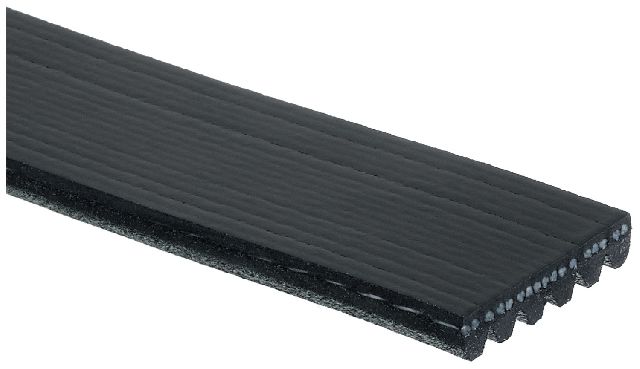
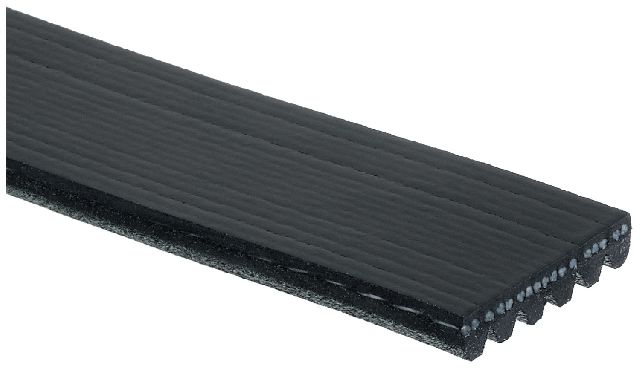
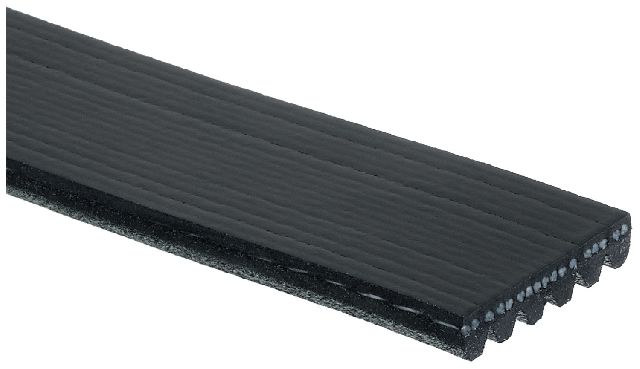
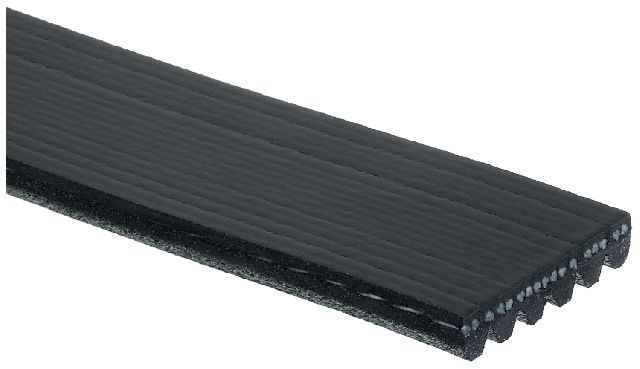
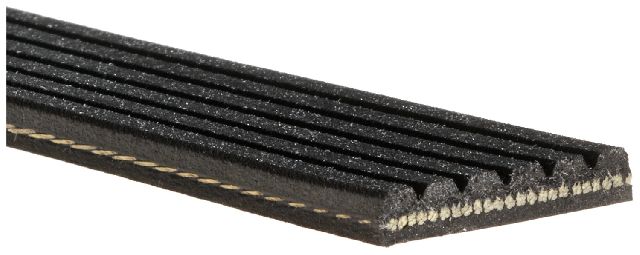
The 2011-2016 Dodge Durango uses a multi-rib (poly-v) serpentine belt. The correct belt length and rib count differ between the 3.6L V6 and 5.7L V8 engines, and can also vary based on whether the vehicle has hydraulic or electric power steering. Always verify the part number with your vehicle's VIN.
We Have This Part in Stock

The information in this article is provided for general reference and educational purposes only. Vehicle specifications, procedures, and part compatibility can vary by production date, trim level, and region. Always consult your vehicle's factory service manual and verify part numbers before purchasing or performing repairs. Safety-critical components such as airbags, seat belts, and braking systems should be installed by a qualified professional.
- Dodge Durango:
- 🎬 Helpful Videos
- 🛍️ Shop This Part
- Is Your Durango's Serpentine Belt About to Fail?
- Alternator Recalls and Your Belt
- Choosing the Right Aftermarket Serpentine Belt
- Pro Tip: Replace More Than Just the Belt
- Cost of a New Serpentine Belt for 2011-2016 Dodge Durango
- Frequently Asked Questions
- 🎟️ Get 5% Off