

Engine Coolant Thermostat Guide for the 2011-2016 Hyundai Elantra
Understanding the common thermostat issues in your Elantra and how to choose the right replacement part.
- A P0128 check engine light code on your Elantra almost certainly means the thermostat has failed in the open position.
- Choose a quality aftermarket brand like Beck Arnley or Gates, as some budget brands have reports of early failure.
- If you replace the thermostat yourself, properly bleeding the air from the cooling system afterward is critical to prevent overheating.
- While less common, a stuck-closed thermostat will cause rapid overheating and requires you to stop driving immediately.
Is Your Elantra's Thermostat Failing?

A faulty thermostat in the 2011-2016 Hyundai Elantra almost always fails in the "stuck open" position. This is a fail-safe designed to prevent catastrophic overheating, but it creates its own set of noticeable problems. Knowing the signs can save you from a wrong diagnosis.
Common Symptoms of a Bad Thermostat:
- Check Engine Light: The most common sign is a check engine light with the code P0128. This code specifically means the engine's coolant temperature is below the thermostat's regulating temperature, indicating the engine isn't warming up as fast as it should.
- Low Temperature Gauge: The needle on your dashboard's temperature gauge may take a very long time to reach the middle, or it might drop towards cold when you're driving at highway speeds.
- Poor Heater Performance: Your car's cabin heater relies on hot engine coolant to work. If the engine is running too cool, you'll notice weak or lukewarm air coming from the vents, especially on cold days.
- Engine Overheating: Though less common, a thermostat can fail in the "stuck closed" position. This is a serious issue that prevents coolant from reaching the radiator, causing the engine to overheat quickly. If your temperature gauge spikes into the red, pull over immediately to prevent severe engine damage.
Known Issues & Service Bulletins
There are no active recalls from the NHTSA for the engine coolant thermostat on the 2011-2016 Hyundai Elantra. However, Hyundai did issue a service campaign (TSB #16-01-034-2) for the subsequent 2017 model year Elantra with the 2.0L engine, which experienced similar P0128 code issues due to a faulty thermostat. This indicates that thermostat problems are a known issue for Elantra engines of this era.
Choosing the Right Aftermarket Thermostat

When replacing the thermostat, you have a choice between OEM (Original Equipment Manufacturer) from a Hyundai dealer and various aftermarket brands. For a critical part like this, quality matters.
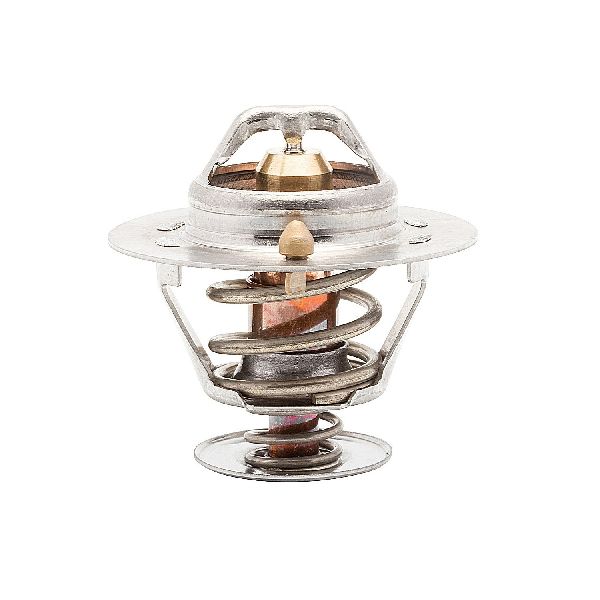
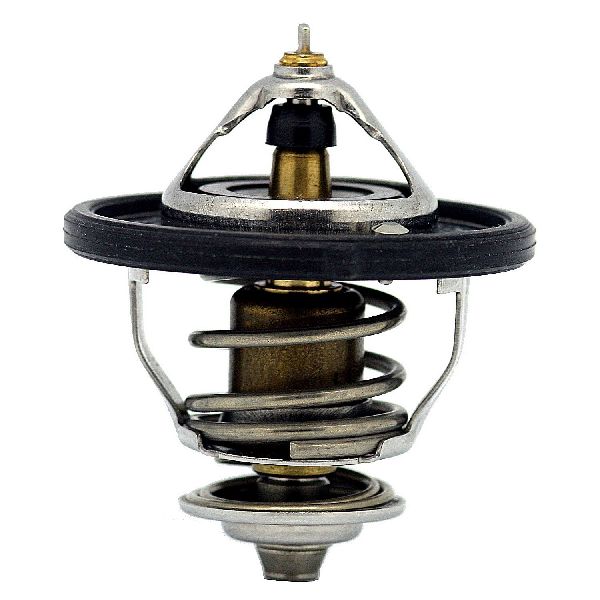
- OEM-Equivalent (Tier 1): Brands like Beck Arnley and Gates have a strong reputation for producing parts that match original equipment form, fit, and function. Beck Arnley is often cited for its OE-quality sourcing, while Gates is a well-respected name in cooling systems. These are reliable choices for a long-lasting repair.
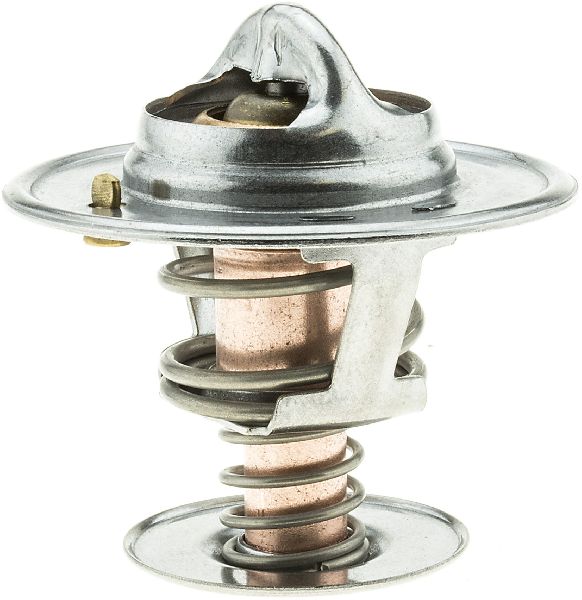
- Budget-Friendly (Tier 2): Brands like Motorad are widely available and often cheaper. However, owner and mechanic reviews are very mixed. Some report these thermostats failing in as little as a few months, while others have no issues. Given the potential for premature failure, this brand represents a higher risk compared to OEM or Tier 1 options.
Pro Tip: Always Replace the Gasket
Your new thermostat should come with a new gasket or seal. Never reuse the old one. A new gasket is essential for preventing coolant leaks after the repair. Also, ensure the housing surface is clean before installing the new part.
Expected Replacement Costs
The cost to replace the thermostat can vary depending on whether you do it yourself or take it to a shop. The part itself is not expensive, but labor can add up.
| Item | Estimated Cost |
|---|---|
| New Aftermarket Thermostat | $17 - $67 |
| New OEM Hyundai Thermostat | $45 - $85 |
| Shop Labor | $120 - $200 |
| Total Professional Repair | $165 - $285 |
Frequently Asked Questions

Is it hard to replace the thermostat on a 2011-2016 Elantra?
For a DIYer with some experience, it's a manageable job. The thermostat is located under the alternator, which can make access tight. The basic steps involve draining some coolant, removing the alternator for better access, unbolting the thermostat housing, swapping the part, and then refilling and bleeding the air out of the cooling system. The bleeding step is crucial to avoid air pockets that can cause overheating.
What does the P0128 code mean?
P0128 means "Coolant Temperature Below Thermostat Regulating Temperature." Your car's computer expects the engine to warm up within a certain time. If it doesn't, because a stuck-open thermostat is over-cooling the engine, it triggers this specific code. It almost always points to a bad thermostat.
Can I just clear the P0128 code and keep driving?
You can clear the code, but it will return until the thermostat is replaced. Driving with a stuck-open thermostat long-term can lead to increased engine wear, poor fuel economy, and higher emissions because the engine never reaches its ideal operating temperature.
Do I need to use special Hyundai coolant?
It is highly recommended to use a coolant that meets Hyundai's specifications. For this generation, that is typically a phosphate-based Asian vehicle coolant, often green or blue-green in color. Using the wrong type of coolant can cause corrosion and damage to cooling system components.
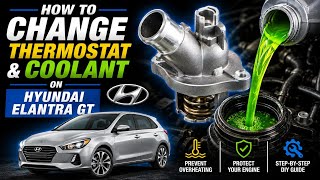
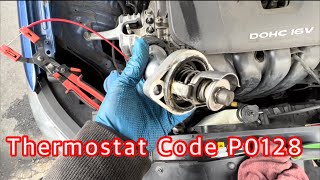
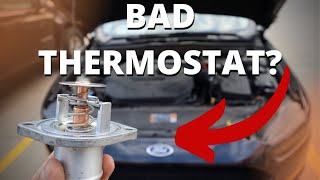
Helpful Videos

Technical Specifications
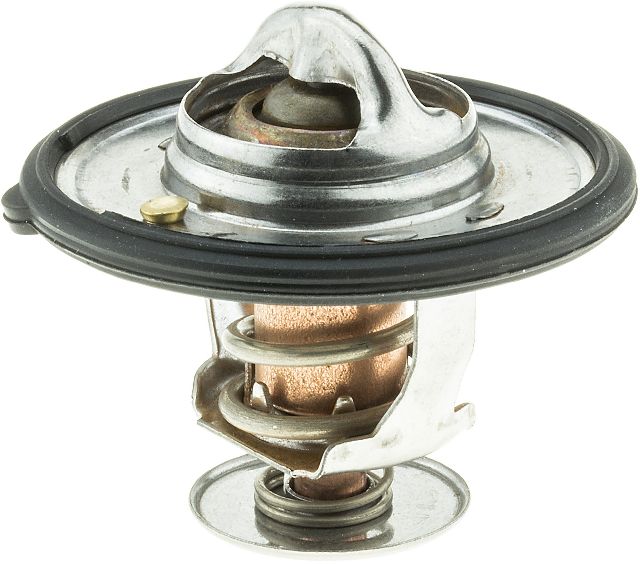
OEM Part Numbers: 25500-2B000 25500-2E085
Standard temperature rating for this vehicle is typically 180°F (82°C) or 190°F (88°C). The thermostat is a complete assembly including the housing and sensor port.
We Have This Part in Stock


The information in this article is provided for general reference and educational purposes only. Vehicle specifications, procedures, and part compatibility can vary by production date, trim level, and region. Always consult your vehicle's factory service manual and verify part numbers before purchasing or performing repairs. Safety-critical components such as airbags, seat belts, and braking systems should be installed by a qualified professional.
- Hyundai Elantra: