

Hyundai Equus Manifold Absolute Pressure (MAP) Sensor: A Guide for 2011-2016 Models
Experiencing poor engine performance in your Equus? A faulty MAP sensor could be the culprit.
- A failing MAP sensor in a 2011-2016 Equus commonly causes a Check Engine Light (P0106), rough idle, and poor acceleration.
- This is a simple DIY replacement for most owners, requiring minimal tools and less than 30 minutes.
- While budget aftermarket options exist, Hyundai electronics can be sensitive; using a premium aftermarket brand like Delphi, NGK, or Standard Ignition is a safer bet than economy brands.
- Before replacing the sensor, check for simple issues like vacuum leaks, which can cause similar symptoms.
Understanding MAP Sensor Failure in Your Equus
The Manifold Absolute Pressure (MAP) sensor is a small electronic component that can fail without warning. Contamination from engine oil vapor or extreme heat and vibration can cause the sensor to send incorrect signals to the engine's computer. While there are no specific recalls or technical service bulletins (TSBs) from Hyundai for the MAP sensor on the 2011-2016 Equus, failure of this part can cause noticeable problems.
Symptoms of a Failing MAP Sensor
When a MAP sensor starts to fail, your Equus will likely let you know. You may experience one or more of the following issues:
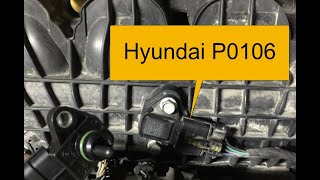
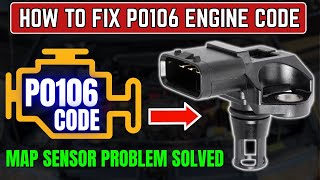
- Check Engine Light: This is often the first sign. The most common trouble code associated with a MAP sensor issue is P0106. 🎬 Learn more about the P0106 code and what it means.
- Poor Engine Performance: You might feel a lack of power, sluggish acceleration, or hesitation when you press the gas pedal.
- Rough Idle: The engine may shake or vibrate more than usual when the car is stopped and in gear.
- Bad Fuel Economy: If the sensor is sending bad data, the engine may use more fuel than necessary.
- Black Smoke from Exhaust: This indicates the engine is running too rich (too much fuel), a common result of a bad MAP sensor reading.
Don't Mistake the Symptoms
Other issues, like a vacuum leak in a hose, can cause symptoms similar to a bad MAP sensor. It's important to rule out simpler problems before replacing the sensor. A mechanic can test the sensor's voltage to confirm it has failed.
🎬 See how to diagnose and test your MAP sensor voltage.Choosing the Right Aftermarket MAP Sensor
For many cars, aftermarket sensors are a great value. However, some forum users report that Hyundai vehicles can be sensitive to aftermarket electronic sensors. While a high-quality aftermarket part can perform well, using a low-quality, budget sensor may cause persistent problems. We recommend choosing from trusted brands known for their electronic components.
Aftermarket Brand Tiers
- Premium Aftermarket (Recommended): Brands like Delphi, NGK (NTK), and Standard Ignition (SMP) have a strong reputation for producing reliable sensors that often meet or exceed OEM quality. Delphi is a known OEM supplier for many car manufacturers.
- Standard Aftermarket: Brands like Spectra and Holstein offer a balance of quality and price. They are generally a reliable choice for daily driving.
- Economy Aftermarket: Brands such as Global Parts, Skyward, and True Tech offer the lowest price. These may be suitable for a budget repair, but be aware that their long-term reliability may not match that of premium brands.
A Note on OEM vs. Aftermarket
The original Hyundai sensor is proven to work perfectly with your car's computer. If your budget allows, it is the safest choice. However, a premium aftermarket sensor from a brand like Delphi or NGK is an excellent alternative that can provide OEM-level performance for less money.
Cost of Replacing Your Equus MAP Sensor
The cost can vary significantly based on the part you choose and whether you do the work yourself. The job is simple enough for many DIY mechanics.
| Item | Estimated Cost |
|---|---|
| New OEM Hyundai Sensor | $190 - $280 |
| New Aftermarket Sensor | $21 - $133 |
| Shop Labor | $50 - $100 |
| Total Professional Replacement (Aftermarket Part) | $71 - $233 |
Frequently Asked Questions (FAQ)
Is it safe to drive my Equus with a bad MAP sensor?
It is not recommended. While the car may still run, driving with a faulty MAP sensor can lead to poor performance, high fuel consumption, and potentially damage other components like the catalytic converter over time. It's best to get it diagnosed and replaced as soon as possible.
Can I replace the MAP sensor myself?
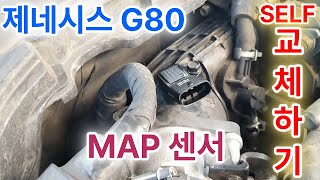
Yes, this is a very DIY-friendly job for most people. The MAP sensor on the Equus V8 is typically located on the intake manifold and held in place by a single bolt. The process involves disconnecting the electrical connector, removing the bolt, swapping the sensor, and reconnecting everything. It usually takes less than 30 minutes.
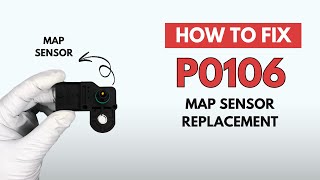
🎬 Watch this step-by-step walkthrough of the MAP sensor replacement.What is the difference between a MAP and a MAF sensor?
A MAP (Manifold Absolute Pressure) sensor measures air pressure in the intake manifold. A MAF (Mass Air Flow) sensor measures the volume and density of air entering the engine. Both help the ECU calculate the correct air-fuel mixture. Your Equus engine uses a MAP sensor for this critical calculation.
How do I know the MAP sensor is the real problem?
The only way to be 100% sure is to test the sensor or have a mechanic diagnose the issue. A diagnostic scan tool can read the trouble codes (like P0106), and a mechanic can use a multimeter to test the sensor's voltage signal. This confirms the sensor is faulty and not another component like a vacuum hose.
Helpful Videos
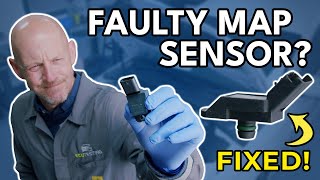
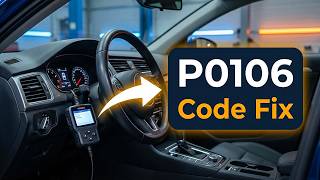
Technical Specifications
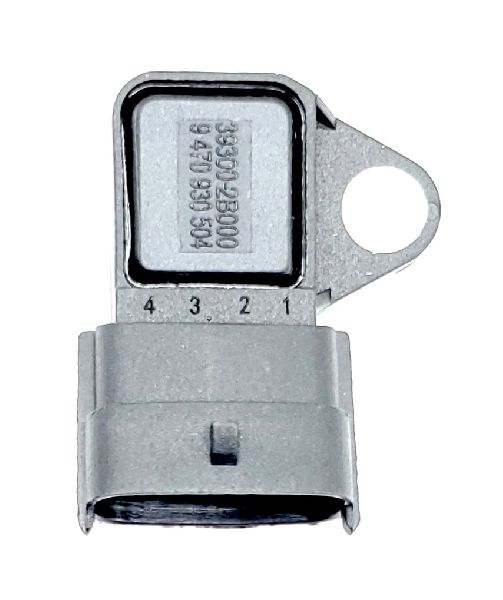
OEM Part Numbers: 39300-2B000 39300-3C500
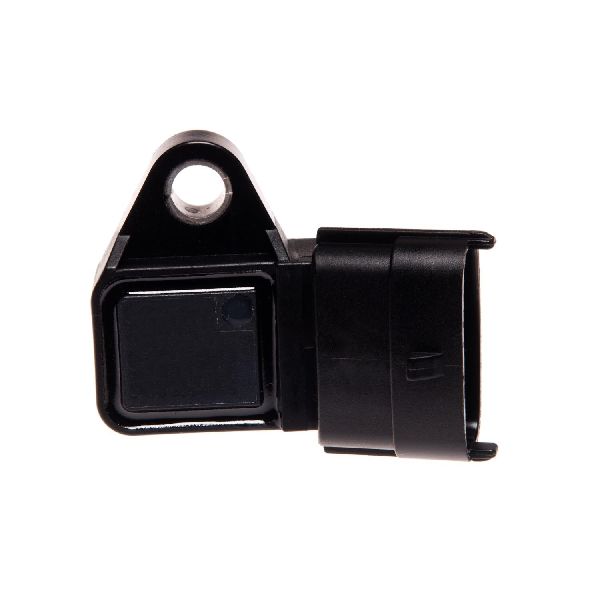
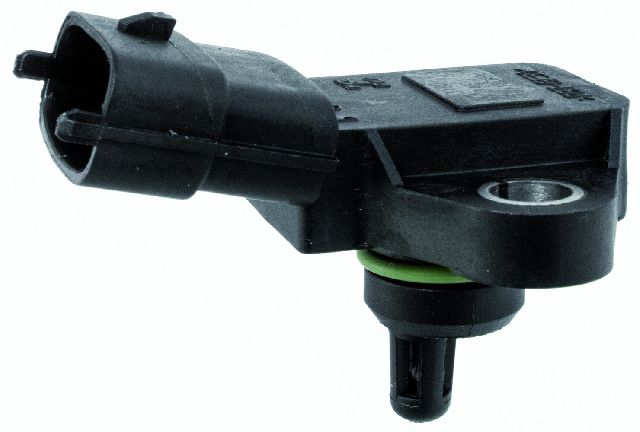
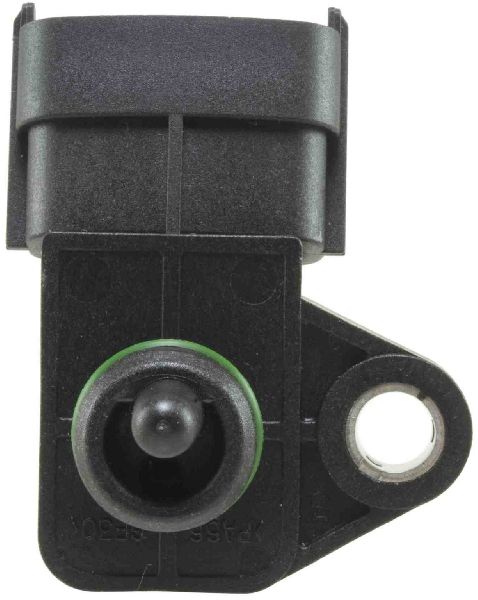
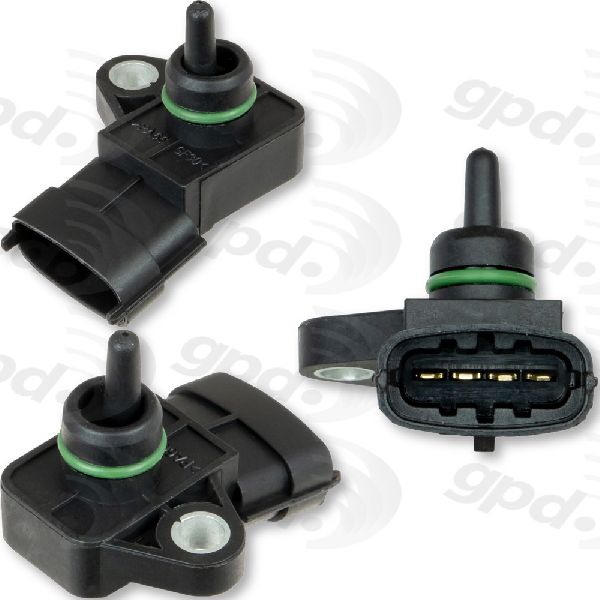
The MAP sensor for the Hyundai Equus is typically a small, 3-pin electronic sensor that mounts directly to the intake manifold with a single bolt.
We Have This Part in Stock


The information in this article is provided for general reference and educational purposes only. Vehicle specifications, procedures, and part compatibility can vary by production date, trim level, and region. Always consult your vehicle's factory service manual and verify part numbers before purchasing or performing repairs. Safety-critical components such as airbags, seat belts, and braking systems should be installed by a qualified professional.
- Hyundai Equus:
- 🎬 Helpful Videos
- 🛍️ Shop This Part
- Understanding MAP Sensor Failure in Your Equus
- Symptoms of a Failing MAP Sensor
- Don't Mistake the Symptoms
- Choosing the Right Aftermarket MAP Sensor
- Aftermarket Brand Tiers
- A Note on OEM vs. Aftermarket
- Cost of Replacing Your Equus MAP Sensor
- Frequently Asked Questions (FAQ)
- 🎟️ Get 5% Off