

Hyundai Equus Serpentine Belt Replacement Guide (2011-2016)
Everything an owner needs to know about selecting and replacing the serpentine belt on the V8-powered 2011-2016 Hyundai Equus.
- A squealing noise is the first sign of trouble; inspect the belt for cracks or glazing.
- While replacing the belt, always inspect the tensioner and idler pulleys for noise or play.
- Aftermarket brands like Gates, Continental, and Dayco offer excellent quality, often matching or exceeding OEM standards.
- There are two different OEM part numbers depending on your vehicle's production date; ensure you get the correct one.
Symptoms of a Failing Serpentine Belt
A failing serpentine belt on your Equus will give you clear warning signs. Ignoring them can leave you stranded. Be aware of the following symptoms:
- Squealing Noises: A high-pitched squeal from the engine bay, especially on startup or when the A/C is on, is the most common sign of a worn or loose belt.
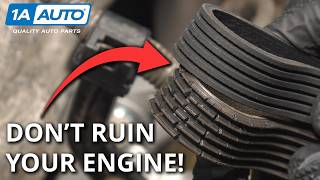
- Visible Wear and Tear: A visual inspection can reveal a lot. Look for cracks, fraying, glazing (a shiny surface), or missing chunks on the belt.
- Accessory Malfunctions: If your power steering feels heavy, the air conditioning isn't cold, or you see a battery warning light, the belt may be slipping and failing to power those components properly.
- Engine Overheating: The serpentine belt drives the water pump. If the belt fails, the water pump stops, leading to rapid engine overheating, which can cause severe engine damage.
A Note on Related Components
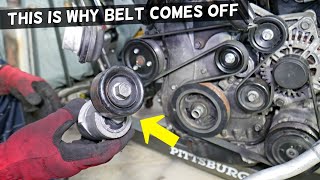
Often, a noisy belt isn't the belt's fault. The automatic belt tensioner or an idler pulley bearing can fail, causing noise or allowing the belt to loosen. A simple test is to spray a small amount of water on the belt while the engine is running; if the noise stops temporarily, the belt is likely the issue. If it doesn't change or gets worse, suspect a bad pulley or tensioner. 🎬 Learn why your belt might keep coming off the pulleys. It's wise to inspect these components during a belt replacement.
Choosing the Right Aftermarket Serpentine Belt
The Hyundai Equus V8 is a high-end engine, but you don't have to pay dealership prices for a quality replacement belt. Reputable aftermarket brands often supply the original parts to manufacturers and offer excellent quality. For your Equus, consider these trusted brands:
- Gates: Often considered a top-tier choice by professional mechanics, Gates belts are known for their durability and reliability. They are a preferred brand for many and have a strong reputation for quality that often meets or exceeds OEM specifications.
- Continental: Another premium brand, Continental (formerly Goodyear Gatorback) is well-regarded for its quiet operation and robust construction. They are a major OEM supplier and a reliable choice for any vehicle.
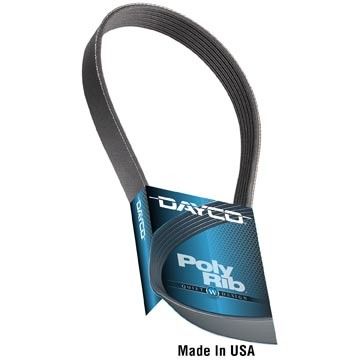
- Dayco: Dayco is a solid, dependable option that provides good performance and value. While some mechanics have preferences for Gates or Continental, Dayco belts are widely used and meet OEM standards. They are known to be engineered to handle high mileage and can help eliminate noise on worn drives.
Pro Tip: While replacing the belt, it's highly recommended to inspect the belt tensioner and idler pulleys. These parts can wear out and cause the new belt to fail prematurely. Replacing them at the same time as the belt is cost-effective and can prevent future breakdowns.
Estimated Replacement Costs
The cost to replace a serpentine belt can vary based on your location and whether you do it yourself or hire a professional. The belt itself is relatively inexpensive.
| Part/Service | Estimated Cost |
|---|---|
| New OEM Serpentine Belt | $70 - $75 |
| New Aftermarket Serpentine Belt | $21 - $61 |
| Shop Labor | $122 - $179 |
| Total Professional Replacement | $167 - $254 |
Frequently Asked Questions (FAQ)
Are there any recalls for the 2011-2016 Equus serpentine belt?
No, as of early 2026, there are no specific NHTSA recalls for the serpentine belt or its related components on the 2011-2016 Hyundai Equus. There was a recall for windshield wiper motors on some 2011-2013 models, but it is unrelated to the engine belt system.
How often should I replace the serpentine belt?
Most modern serpentine belts last between 60,000 and 100,000 miles. However, it's best to inspect the belt during regular oil changes, especially after 30,000 miles. Replace it if you see any signs of cracking, fraying, or glazing, regardless of mileage.
Can I replace the Equus serpentine belt myself?
Yes, this is a DIY-feasible job for someone with basic mechanical skills and tools. The process involves using a 19mm socket or a long wrench to rotate the automatic tensioner, which releases tension on the belt, allowing it to be removed and replaced. Always make sure to draw or photograph the belt's routing before you remove it.
Is there more than one belt I need to worry about?
No, the 2011-2016 Hyundai Equus uses a single serpentine belt to power all engine accessories. This is different from older cars that used multiple V-belts.
Does my Equus have a timing belt or a timing chain?
The Hyundai Equus with the 4.6L and 5.0L Tau V8 engines uses a timing chain, not a timing belt. The timing chain is an internal engine component designed to last the life of the engine and is not part of this regular maintenance. The serpentine belt is the only user-serviceable belt on the outside of the engine.
Helpful Videos
Technical Specifications
OEM Part Numbers: 25212-3F360 (For models from 3/17/11 to 4/8/13) 25212-3F501 (For models from 4/8/13 onward)
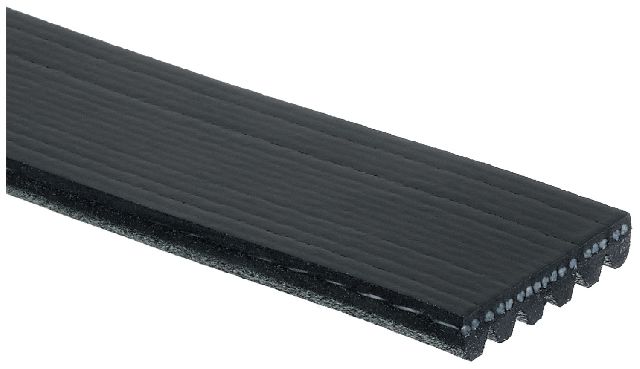
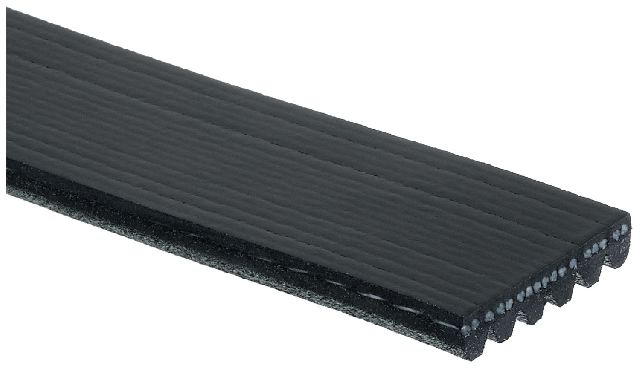
The 2011-2016 Hyundai Equus uses a single multi-rib (serpentine) belt to drive the alternator, water pump, power steering pump, and A/C compressor. The V8 engines (4.6L and 5.0L) use an automatic spring-loaded tensioner. Replacement requires a 19mm socket or wrench to relieve tension.
We Have This Part in Stock

The information in this article is provided for general reference and educational purposes only. Vehicle specifications, procedures, and part compatibility can vary by production date, trim level, and region. Always consult your vehicle's factory service manual and verify part numbers before purchasing or performing repairs. Safety-critical components such as airbags, seat belts, and braking systems should be installed by a qualified professional.
- Hyundai Equus: