

Engine Crankshaft Position Sensor: A Guide for the 2011-2016 Jeep Grand Cherokee
Solve stalling, no-start, and rough running issues in your WK2 Grand Cherokee by understanding this critical engine sensor.
- A failing crankshaft sensor is a top cause of stalling and no-start issues in the 2011-2016 Grand Cherokee.
- For reliability, choose the OEM Mopar sensor or a high-quality aftermarket brand like NGK/NTK, which is often the original manufacturer.
- There is a recall for this issue (NHTSA 23V411000), but it only applies to 2014-2020 models with the 3.0L Diesel engine.
- Replacement is more difficult on the 5.7L Hemi engine than the 3.6L V6, as it may require removing the starter.
Is Your Grand Cherokee Stalling or Not Starting?

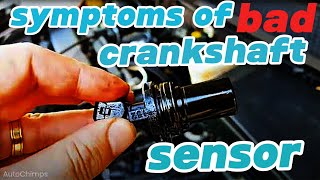
A failing crankshaft position sensor is a common problem that can leave you stranded. When this sensor starts to go bad, it sends weak or incorrect signals to your Jeep's computer. This can cause a range of problems from annoying to serious. The most common signs are the engine cranking but not starting, or the engine suddenly stalling while you're driving. You might also notice the engine running rough, misfiring, or having poor acceleration. Often, the check engine light will come on, and a code scanner will show a P0335 or related code.
🎬 Watch: A breakdown of common symptoms for a failing sensor.Known Issues for 2011-2016 Grand Cherokee

There is a significant safety recall related to the crankshaft position sensor system, 🎬 See how a P0335 code causes long engine crank times. but it specifically affects the 2014-2020 Jeep Grand Cherokee with the 3.0L Diesel engine. The recall (NHTSA Campaign Number: 23V411000, an expansion of 20V-475) addresses an issue where the crankshaft position sensor's tone wheel can delaminate, or separate, causing the engine to stall unexpectedly. The fix involves a software update to the powertrain control module. While this recall doesn't cover the 3.6L or 5.7L gasoline engines, it highlights the critical nature of this part. For gasoline models, failures are typically due to normal wear and tear of the sensor itself.
Choosing the Right Aftermarket Sensor

When it comes to critical sensors like the crankshaft position sensor, quality matters. While many aftermarket options are available, owner experiences show that some are more reliable than others for Jeep vehicles. Using a low-quality sensor can lead to it failing quickly, sometimes within days or weeks, leaving you with the same problem all over again.
Aftermarket Brand Quality Tiers
| Tier | Brands | Assessment |
|---|---|---|
| Premium Aftermarket / OE Equivalent | Mopar, NGK (NTK) | Mopar is the original factory part. NGK/NTK is widely considered to be the original equipment manufacturer for many Chrysler/Jeep sensors and is a highly recommended alternative. These offer the best fit and longest life but come at a higher price. |
| Quality Aftermarket | Delphi, Standard Ignition (SMP), Hitachi | These brands generally have a good reputation. Delphi is a major OE supplier, though some users report mixed results on certain applications. Standard Motor Products is another trusted name in engine management parts. They are a solid choice for a balance of price and quality. |
| Economy / Budget | Dorman, Crown, Omix-Ada, Walker, and other store brands | These brands offer a lower price point. While they can get your vehicle running, their long-term reliability can be a gamble for sensitive electronics like a crank sensor. Crown and Omix-Ada are popular for Jeep parts but are often chosen for less critical components. Consider these if budget is the primary concern, but be aware you might be replacing the part again sooner. |
How Much Does a Replacement Cost?

The cost depends on whether you do the job yourself and the brand of part you choose. The part itself is not extremely expensive, but labor costs can add up if you take it to a shop, especially on the 5.7L Hemi where the starter may need to be removed for access.
Estimated Cost Comparison
| Part Type | Estimated Cost |
|---|---|
| New OEM (Mopar) | $75 - $120 |
| New Aftermarket | $23 - $101 |
| Shop Labor | $100 - $250 |
Installation Pro-Tip
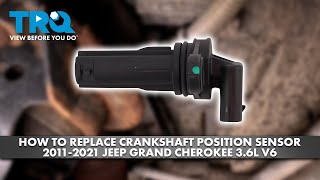
The location of the crankshaft position sensor is different depending on your engine. On the 3.6L V6, it is located on the passenger side of the engine, on the lower portion of the block near the transmission bell housing. It can be accessed from underneath the vehicle, working above the lower control arm. 🎬 Watch this step-by-step guide to replacing the 3.6L V6 sensor. On the 5.7L Hemi V8, the sensor is in a similar area but may require removing the starter motor to gain access, making the job more involved. Always disconnect the negative battery terminal before starting work.
Frequently Asked Questions
Can I replace the crankshaft position sensor myself?
Yes, this is a DIY-feasible job for someone with moderate mechanical skill. For the 3.6L engine, the main challenge is reaching the sensor in a tight space. For the 5.7L engine, the difficulty increases if the starter must be removed. You will need basic hand tools like sockets, ratchets, and extensions.
What is the most common trouble code for a bad crank sensor?
The most common diagnostic trouble code (DTC) is P0335, which stands for "Crankshaft Position Sensor 'A' Circuit Malfunction." This code is set when the vehicle's computer loses the signal from the sensor. You may also see codes for engine misfires.
What happens if I don't replace a failing crank sensor?
Ignoring a failing crank sensor is risky. The problem will likely get worse, leading to more frequent stalling and eventually a no-start condition. A sudden engine stall while driving, especially at high speed or in traffic, is a serious safety hazard.
Do I need to perform a 'relearn' procedure after replacement?
For most 2011-2016 Grand Cherokees, a specific relearn procedure is not typically required after replacing the sensor. However, some service information suggests a relearn procedure might be necessary in some cases. After installation, it's a good practice to clear any stored trouble codes with a scanner and take the vehicle for a test drive to ensure everything is operating correctly.
Helpful Videos
Technical Specifications
OEM Part Numbers: 05149167AF 5149167AE 5149167AD
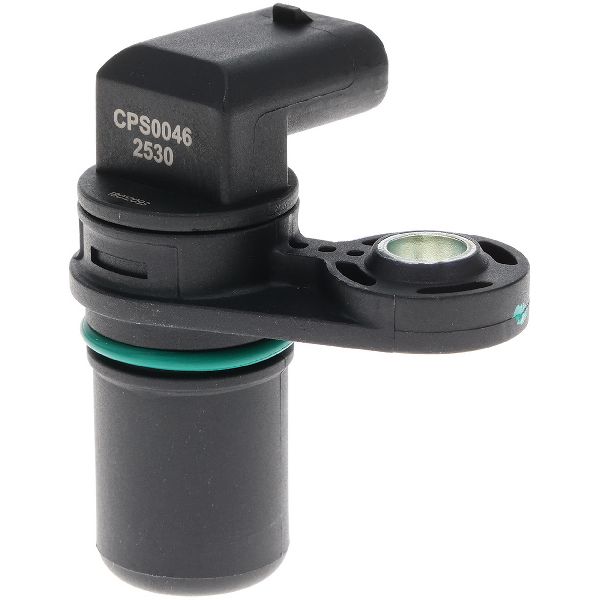
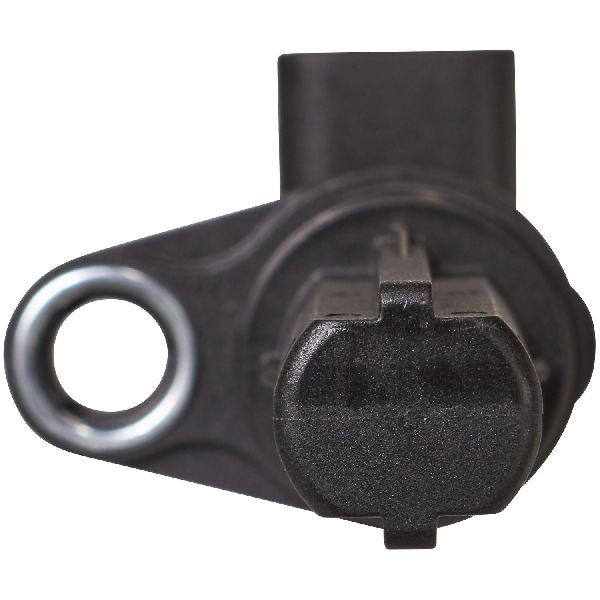
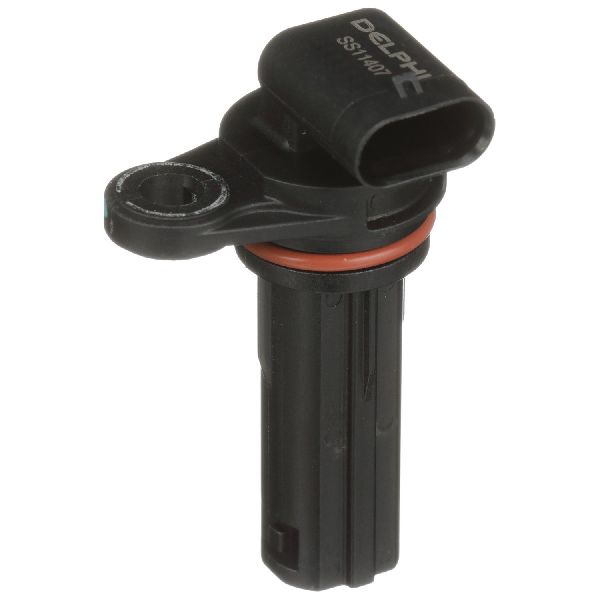
The sensor is a 3-pin hall-effect sensor that reads the position of the crankshaft via a reluctor wheel. It is typically mounted to the engine block near the transmission bell housing.
We Have This Part in Stock


The information in this article is provided for general reference and educational purposes only. Vehicle specifications, procedures, and part compatibility can vary by production date, trim level, and region. Always consult your vehicle's factory service manual and verify part numbers before purchasing or performing repairs. Safety-critical components such as airbags, seat belts, and braking systems should be installed by a qualified professional.
- Jeep Grand Cherokee:
- 🎬 Helpful Videos
- 🛍️ Shop This Part
- Is Your Grand Cherokee Stalling or Not Starting?
- Known Issues for 2011-2016 Grand Cherokee
- Choosing the Right Aftermarket Sensor
- Aftermarket Brand Quality Tiers
- How Much Does a Replacement Cost?
- Estimated Cost Comparison
- Installation Pro-Tip
- Frequently Asked Questions
- 🎟️ Get 5% Off