

A Guide to the Rear Suspension Trailing Arm for the 2011-2016 Kia Optima
Understand the clunks and rattles from your rear suspension and learn how to choose the right replacement part.
- Listen for clunking noises from the rear and check for uneven tire wear, as these are the most common symptoms.
- Always plan for a four-wheel alignment immediately after replacing one or both trailing arms.
- It is highly recommended to replace trailing arms in pairs (left and right) to ensure balanced handling.
- Inspect all rear suspension components for corrosion, especially on 2011-2012 models, due to a related service action for the lower control arms.
Symptoms of a Failing Trailing Arm
When a trailing arm or its bushings start to fail on your Optima, the signs are usually noticeable. More often than not, the rubber bushings wear out before the metal arm itself breaks, unless it's damaged in a collision. Ignoring these symptoms can lead to more significant safety issues and damage to other parts.
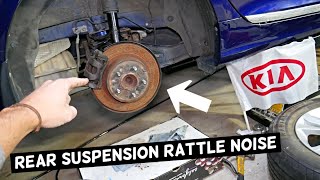
- Clunking or Rattling Noises: You may hear squeaking, creaking, or clunking sounds from the rear of the car. These noises are often most obvious when going over bumps, accelerating, or even just putting the car in gear. 🎬 Watch: Identifying and fixing common rear suspension rattles and noises.
- Unstable Driving Sensation: The car might feel like it's wandering or swaying, especially at higher speeds or when turning. This happens because a worn bushing allows the rear wheel to move out of its proper position.
- Uneven Tire Wear: A bad trailing arm can throw off the rear wheel alignment. Check your rear tires for unusual wear patterns, especially on the inner or outer edges. This is a classic sign of a suspension problem.
- Vehicle Pulling to One Side: During acceleration or braking, you might feel the rear of the car shift or pull to one side. This can be a serious safety hazard as it affects vehicle control.
Known Issues for 2011-2016 Kia Optima
While there are no specific recalls for the rear trailing arm on this generation of Optima, Kia did issue a service action (SA150) for the rear lower control arm on some 2011-2012 models. This was due to corrosion from road salt in certain states, causing a clunking noise. The symptoms are very similar to a bad trailing arm. It is wise to inspect all rear suspension components for corrosion, especially if you live in an area with heavy winter road treatment.
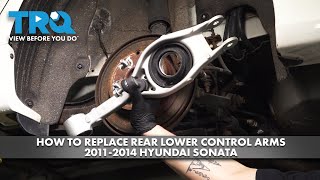
🎬 See this walkthrough for replacing the rear lower control arm.Choosing the Right Aftermarket Trailing Arm
When replacing the trailing arm, you don't have to buy the part from the dealer. Aftermarket parts from brands like Dorman, Mevotech, and Moog offer a range of options to fit your budget and needs. They often come as a complete assembly with new bushings already installed, which makes the repair job easier.
| Brand Tier | Common Brands | General Assessment |
|---|---|---|
| Premium | Moog | Often considered a top-tier aftermarket brand, Moog parts are known for durability and are frequently built to exceed original equipment (OE) standards. They are a preferred choice for mechanics and those who plan to keep their vehicle for a long time, though they come at a higher price point. |
| Mid-Grade | Mevotech | Mevotech is often seen as offering a good balance between quality and affordability. Their parts are a solid choice for daily drivers, providing reliable performance without the premium price tag of brands like Moog. |
| Economy/Standard | Dorman | Dorman provides a wide variety of parts that are known for being budget-friendly and easy to install. While they are a cost-effective solution, some users report that their longevity may not match that of more premium brands. This is a practical option if the budget is the main concern. |
Pro Tip: Replace in Pairs
Mechanics strongly recommend replacing suspension components like trailing arms in pairs (both left and right sides at the same time). If one side has failed due to age and wear, the other side is likely not far behind. Replacing both ensures balanced handling and prevents you from having to do the same job twice in the near future.
Frequently Asked Questions (FAQ)
Do I need a wheel alignment after replacing a trailing arm?
Yes, absolutely. Replacing a trailing arm will affect your vehicle's rear wheel alignment. You must get a professional four-wheel alignment done immediately after the repair. Skipping this step will lead to poor handling, a crooked steering wheel, and will quickly ruin your tires.
Can I just replace the bushings instead of the whole arm?
While it is sometimes possible to press out old bushings and install new ones, it requires special tools. For the 2011-2016 Optima, most aftermarket trailing arms are sold as a complete assembly with the bushings already installed. This is generally easier and more cost-effective for both DIYers and professional shops.
Is this a difficult DIY job?
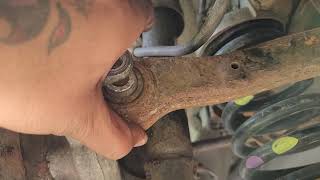
For a DIY mechanic with the right tools, this is a manageable job. It requires safely lifting and supporting the vehicle, and you may need a breaker bar for stubborn bolts. The replacement involves unbolting the old arm and bolting the new one in. 🎬 Watch: Tips for reinstalling the control arm during rear-end work. However, given the need for a wheel alignment afterward, you will still need to visit a shop.
What are the OEM part numbers for the 2011-2016 Optima trailing arm?
Several part numbers were used for this generation. Common numbers for the rear right arm include 55280-3V300, 55280-2T000, and 55280-4C350. A common number for the rear left arm is 55270-4C000. Always verify the exact part number for your specific vehicle's VIN and build location (U.S. or Korea built) before ordering.
Helpful Videos
Technical Specifications
OEM Part Numbers: 55280-3V300 55280-2T000 55280-3R000 55270-4C000 55280-4C350
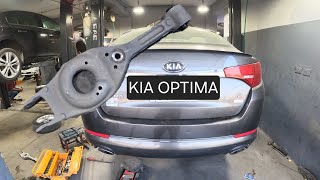
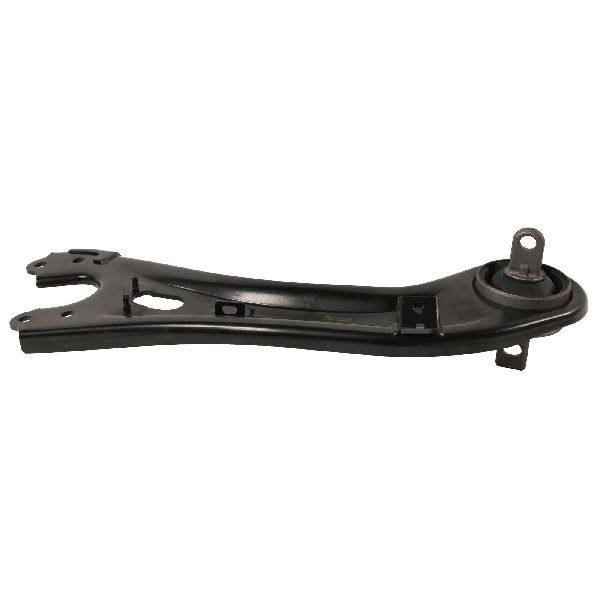
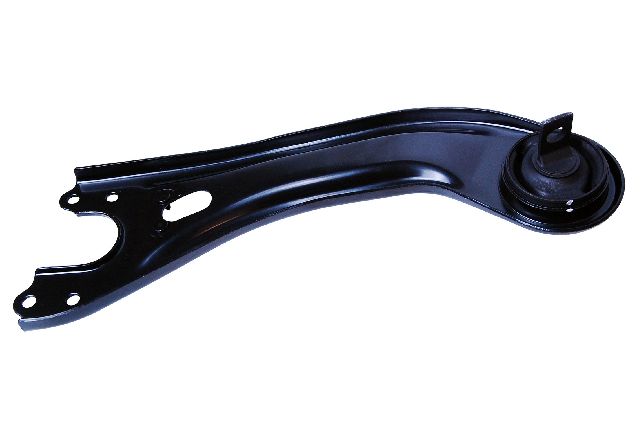
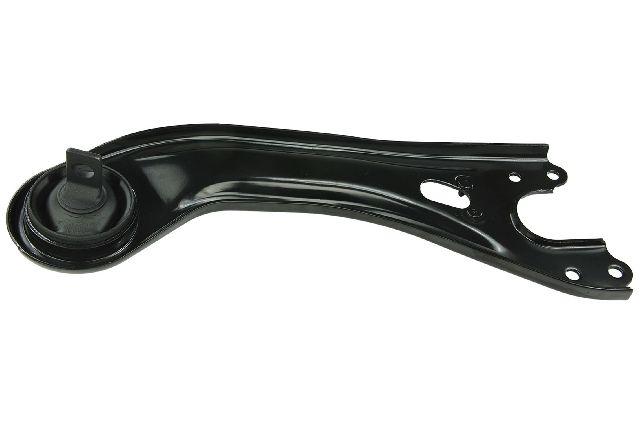
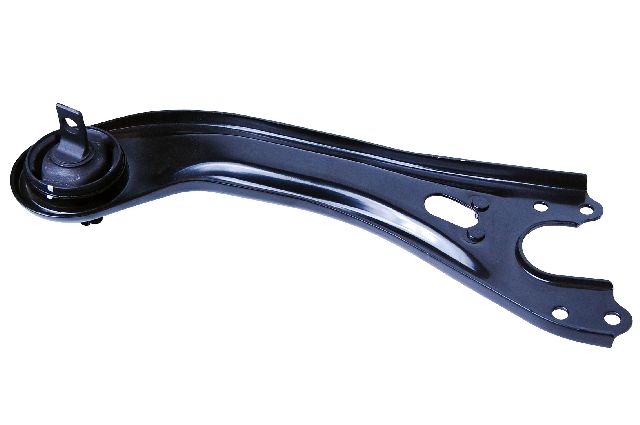
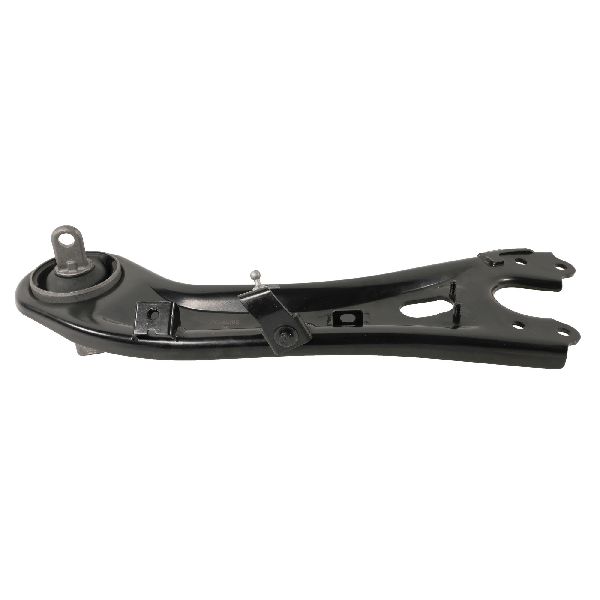
The trailing arm for the 2011-2016 Kia Optima is a stamped steel component that includes pre-installed rubber bushings. It connects the rear axle/knuckle area to the vehicle's subframe. Part numbers can vary based on whether the vehicle was built in the USA or Korea, and whether it has an electronic parking brake.
We Have This Part in Stock


The information in this article is provided for general reference and educational purposes only. Vehicle specifications, procedures, and part compatibility can vary by production date, trim level, and region. Always consult your vehicle's factory service manual and verify part numbers before purchasing or performing repairs. Safety-critical components such as airbags, seat belts, and braking systems should be installed by a qualified professional.
- Kia Optima: