

A Guide to Replacing Brake Pads on Your 2011-2016 Kia Sorento
Choosing the right brake pads for your Sorento is crucial for safety and performance; here's how to make the right choice.
- For most Sorento owners, high-quality ceramic pads from brands like Akebono, Bosch, or Wagner offer the best balance of quiet operation, low dust, and reliable stopping power.
- Always inspect brake rotors when changing pads and replace them if they are warped, grooved, or below the minimum thickness specification.
- There are important brake-related recalls for the 2011-2016 Sorento concerning the ABS module and rear calipers; ensure your vehicle's VIN has been checked.
- Replacing brake pads is a manageable DIY task for those with the right tools and experience, but professional installation is recommended for safety if you are unsure.
Signs Your Sorento's Brake Pads Are Worn Out

Your Kia Sorento is a heavy vehicle, and its brake pads work hard to bring it to a stop safely. Ignoring worn brake pads can lead to longer stopping distances or damage to other expensive brake parts like rotors and calipers. Watch for these common symptoms:
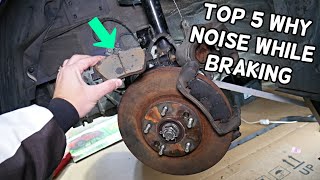
- Squealing or Screeching Noises: Most brake pads have a small metal tab called a wear indicator. When the pad material gets low, this tab scrapes against the rotor, making a high-pitched noise to alert you. 🎬 Watch: Identifying common brake noises on your Kia
- Grinding Sounds: A loud, harsh grinding noise means the pad material is completely gone. The metal backing plate of the pad is now grinding against the rotor, causing significant damage and severely reducing stopping power. This is a critical safety issue.
- Vibration or Pulsating in the Brake Pedal: If you feel a pulsing sensation through the brake pedal, it could mean your brake rotors have been warped by heat from worn pads.
- Longer Stopping Distances: If you notice it takes longer to stop your Sorento than it used to, your brake pads may be too worn to create enough friction.
- Brake Warning Light: A brake warning light on your dashboard can indicate several issues, including low brake fluid, which can be related to worn pads.
Known Issues and Recalls for 2011-2016 Kia Sorento
While there are no recalls specifically for brake pads, some 2011-2016 Sorento models have been subject to brake-related recalls. A significant recall (NHTSA ID: 23V-652000) was issued for potential brake fluid leaks inside the anti-lock brake system (ABS) module, which could cause an electrical short and increase fire risk. Another recall for certain 2011 models (NHTSA ID: SC087) involved improperly machined rear brake calipers that could leak fluid. While these aren't pad issues, they highlight the importance of maintaining the entire brake system. Some owners have also reported issues with calipers sticking, leading to premature pad and rotor wear.
Choosing the Right Aftermarket Brake Pads for Your Sorento

The original equipment (OEM) pads on your Sorento are designed for a balance of quiet operation and decent lifespan for daily driving. However, many aftermarket brands offer pads that can be a better value or provide enhanced performance. For a family SUV like the Sorento, most owners will be happiest with ceramic pads that offer low noise and minimal brake dust.
Brand Tiers for Your Consideration
Premium OEM-Equivalent Brands:
- Akebono: Often considered a top-tier choice, Akebono is an original equipment supplier for many automakers. Their ProACT ceramic pads are known for being extremely quiet, producing very little dust, and offering smooth, consistent stopping power, making them an excellent upgrade over stock for most Sorento owners.
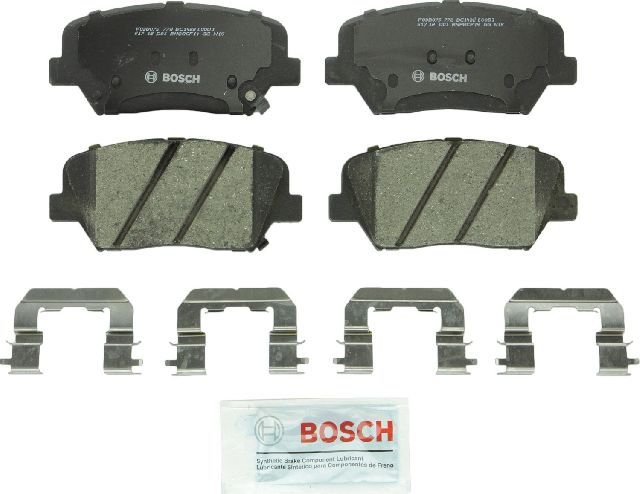
- Bosch: Bosch QuietCast pads are another high-quality option. They are engineered to be quiet and provide reliable performance with low dust, similar to OEM standards.
- Wagner: Wagner's ThermoQuiet and QuickStop lines are popular for their quality and value. They are designed to reduce noise and provide consistent braking for daily driving.
Performance & Heavy-Duty Brands:
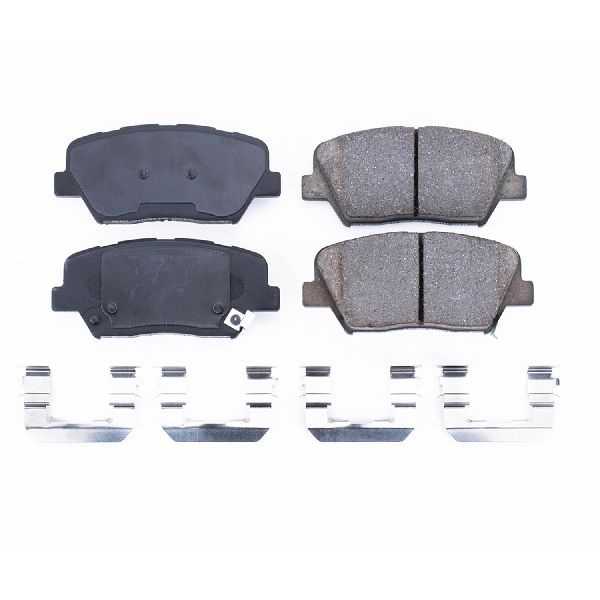
- Powerstop: Powerstop kits, like the Z17 Evolution, are a popular choice for those looking for a slight performance upgrade. They are known for low dust and quiet operation, and often come bundled with new rotors.
- Hawk Performance / EBC Brakes: These brands are geared more towards high-performance driving. While they offer superior stopping power, they may produce more noise and dust than typical ceramic pads, and might be overkill for a daily-driven Sorento.
Standard / Economy Brands:
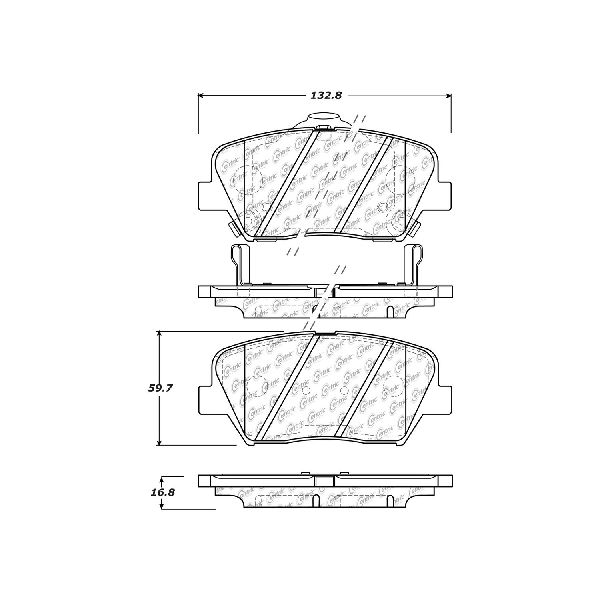
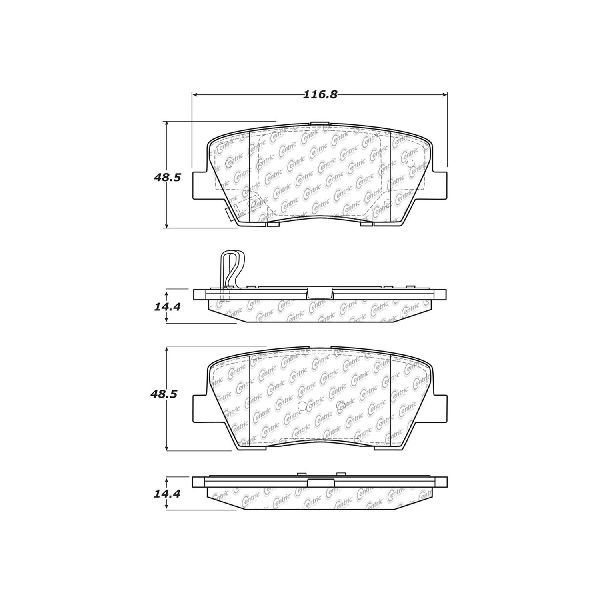
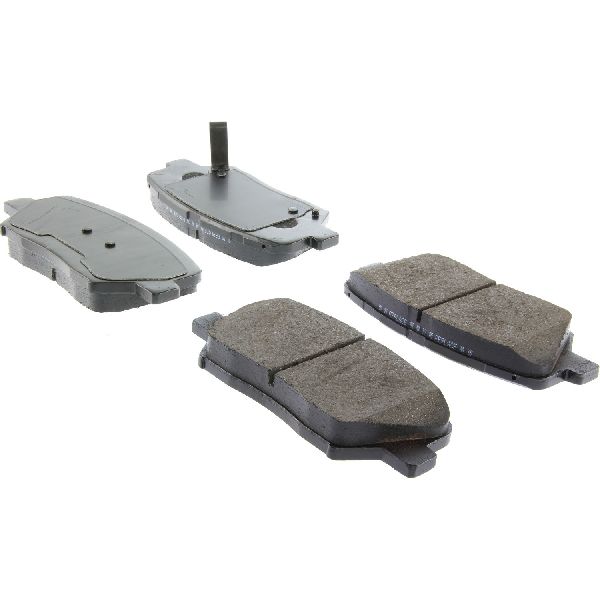
- Centric / Raybestos / Dynamic Friction: These brands offer solid, reliable replacement pads that meet or exceed basic factory specifications. They are a good choice if you're looking for a dependable, budget-friendly option that performs similarly to the original pads.
Estimated Costs for Brake Pad Replacement (2011-2016 Sorento)
| Item | Estimated Cost (Per Axle) |
|---|---|
| Aftermarket Brake Pad Set | $35 - $135 |
| OEM Brake Pad Set | $70 - $150 |
| Shop Labor | $100 - $250 |
Pro Tip: Always Replace Hardware and Consider the Rotors
When you replace your brake pads, it's essential to also replace the included hardware like clips and shims. This ensures the new pads move freely and don't cause noise. Also, inspect your brake rotors. If they are heavily grooved, discolored, or measure below the minimum thickness, they must be replaced. For best performance and to avoid vibration issues, it's often recommended to replace rotors at the same time as the pads.
Frequently Asked Questions

Should I choose ceramic or semi-metallic pads for my Sorento?
For most 2011-2016 Kia Sorento owners, ceramic pads are the best choice. They offer quiet operation, low brake dust, and good stopping power for daily driving. Semi-metallic pads offer better performance in extreme conditions but tend to be noisier and produce more dust.
Do I need to replace front and rear brake pads at the same time?
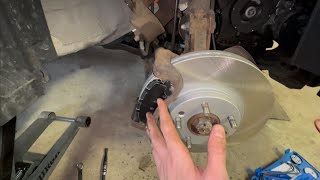
Not necessarily. The front brake pads on your Sorento typically wear out faster than the rear ones because they handle more of the braking force. 🎬 See this step-by-step front brake replacement walkthrough You should replace pads based on their wear level. A mechanic can inspect both front and rear pads during a service.
Can I replace my Sorento's brake pads myself?
Yes, replacing brake pads is a common DIY job for those with mechanical experience and the right tools. You will need a jack, jack stands, a lug wrench, a socket set (including 14mm and 17mm sockets), and a brake caliper compressor tool. If you are not comfortable with the procedure, it is always best to have a professional mechanic do the work.
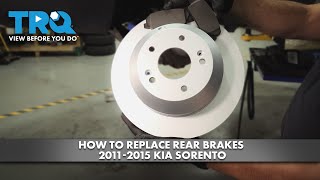
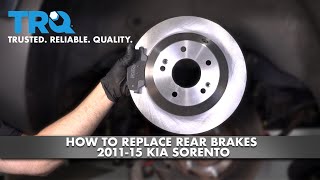
🎬 Watch: How to replace rear brake pads and rotorsWhat are the torque specs for a Sorento brake job?
While specifics can vary slightly, general torque specs for the 2011-2015 Sorento are around 20 ft-lbs for the caliper guide pin bolts and 50 ft-lbs for the caliper bracket bolts. Lug nuts should be torqued to about 75-80 ft-lbs. Always consult a vehicle-specific repair manual for exact specifications.
Helpful Videos

Technical Specifications
The 2011-2016 Kia Sorento uses single-piston calipers for both front and rear brakes. The rear brakes also incorporate a drum-in-hat style parking brake. When replacing pads, it is critical to use the correct hardware and lubricate the caliper slide pins to ensure proper function.
We Have This Part in Stock

The information in this article is provided for general reference and educational purposes only. Vehicle specifications, procedures, and part compatibility can vary by production date, trim level, and region. Always consult your vehicle's factory service manual and verify part numbers before purchasing or performing repairs. Safety-critical components such as airbags, seat belts, and braking systems should be installed by a qualified professional.
- Kia Sorento:
- 🎬 Helpful Videos
- 🛍️ Shop This Part
- Signs Your Sorento's Brake Pads Are Worn Out
- Known Issues and Recalls for 2011-2016 Kia Sorento
- Choosing the Right Aftermarket Brake Pads for Your Sorento
- Brand Tiers for Your Consideration
- Estimated Costs for Brake Pad Replacement (2011-2016 Sorento)
- Pro Tip: Always Replace Hardware and Consider the Rotors
- Frequently Asked Questions
- 🎟️ Get 5% Off