

Land Rover Discovery Brake Pad Set Guide (2011-2016)
Everything a Land Rover Discovery (LR4) owner needs to know when shopping for new aftermarket brake pads.
- The 2011-2016 Land Rover Discovery (LR4) uses electronic wear sensors that must be replaced with the pads to turn off the dashboard warning light.
- Aftermarket ceramic brake pads are a popular option to reduce the significant amount of brake dust produced by OEM pads.
- Replacing rear pads requires putting the Electronic Parking Brake (EPB) into a special service mode, which can be complex for novice DIYers.
- For best results and safety, it is highly recommended to replace brake rotors at the same time as the brake pads.
Signs of Failing Brake Pads
Your Discovery is smart enough to tell you when its pads are low, but there are other symptoms to watch for. Being aware of these signs ensures you replace your pads before causing damage to more expensive brake components like rotors or calipers.
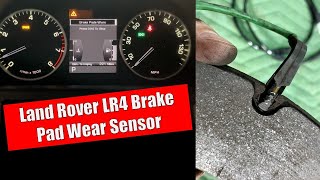
- 'Brake Pads Worn' Light: The most obvious sign is the yellow warning message on your instrument cluster. This is triggered by the brake pad wear sensor when the pad material reaches its minimum thickness.
- Squealing or Screeching: A high-pitched noise when you apply the brakes is a common indicator that the pads are worn out.
- Grinding Noise: If you hear a metal-on-metal grinding sound, it's a critical warning. This usually means the brake pad material is completely gone, and the metal backing plate is grinding against the rotor. This is a serious safety issue that requires immediate attention.
- Vibration or Pulsing: A vibrating or pulsing feeling in the brake pedal or steering wheel when braking can indicate warped rotors, which are often caused by worn-out pads creating excessive heat.
Don't Ignore the Wear Sensor
🎬 Watch this video to understand how the wear sensor works.The brake pad wear sensor is a single-use part. Once the 'Brake Pads Worn' light comes on, the sensor has been consumed and must be replaced along with the brake pads. Simply replacing the pads without a new sensor will not turn off the warning light.
Choosing the Right Aftermarket Brake Pads
When replacing your brake pads, you have a choice between Original Equipment Manufacturer (OEM) and aftermarket parts. OEM pads are what the vehicle was fitted with from the factory. Aftermarket pads are made by other companies and can offer different characteristics.
- OEM Pads: Genuine Land Rover pads offer guaranteed fit and performance engineered for the vehicle. However, many owners note that they tend to produce a lot of brake dust, which can make your wheels look dirty. They are also the most expensive option.
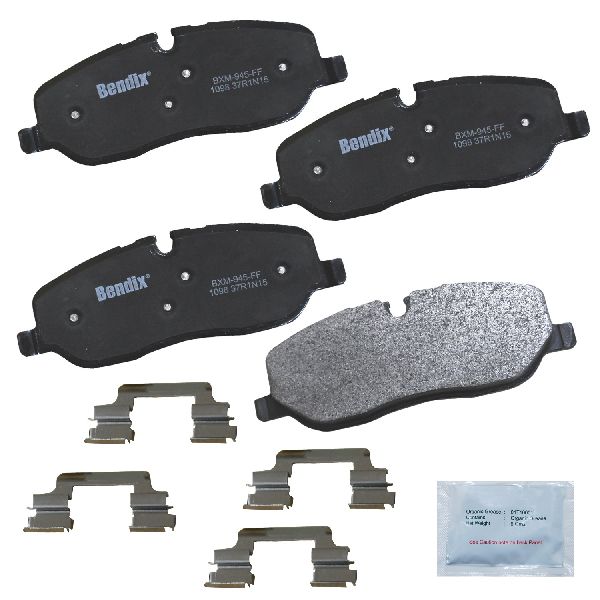
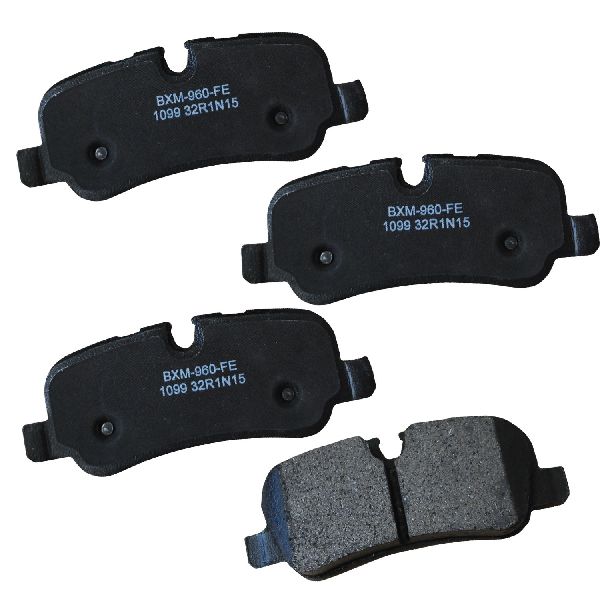
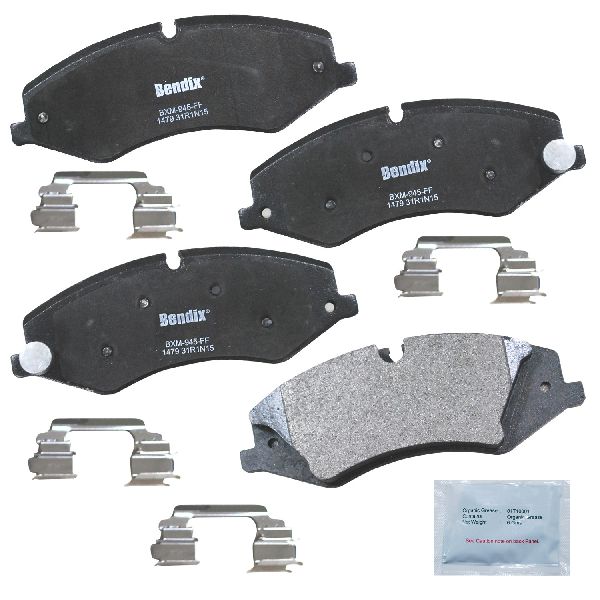
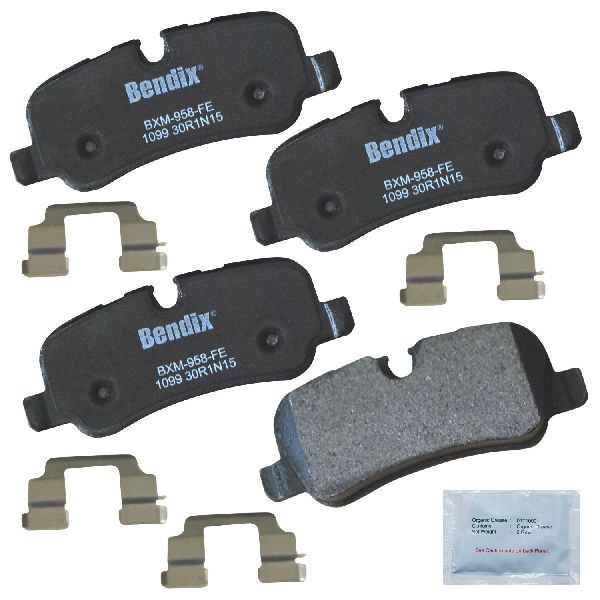
- Aftermarket Ceramic Pads: Brands like Akebono, Brembo, and some Bendix formulations use ceramic materials. These are a popular choice for Discovery owners because they typically produce much less dust than OEM pads and offer quiet, smooth stopping for daily driving.
- Aftermarket Semi-Metallic Pads: These pads can offer strong performance but are often just as dusty as the OEM pads.
A Note on Bendix Pads
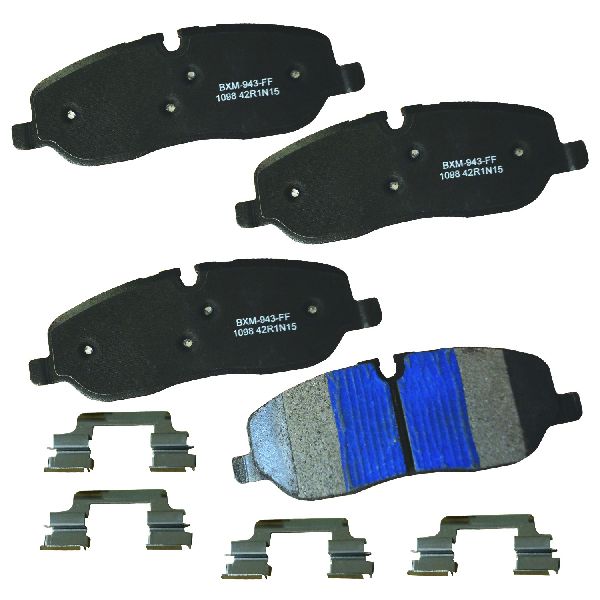
Bendix is a well-known brand with a long history that produces a wide range of brake pads. Their products for European vehicles are designed to meet or exceed original specifications and often feature technology for quiet operation and low dust. While many drivers find Bendix pads to be a good, reliable choice for daily use, it's important to note that some Land Rover owners in forums have reported negative experiences, specifically with accelerated rotor wear. When choosing any aftermarket part, it's wise to consider a range of real-world feedback.
Pro Tip: Replace Rotors and Pads Together
While you can replace just the pads, it is often recommended to replace the brake rotors at the same time. New, flat rotors ensure your new pads wear evenly and provide the best possible braking performance. If your old rotors are grooved or have a lip on the edge, they can cause noise and reduce the life of your new pads.
Cost Comparison for a Brake Pad Set (Per Axle)
| Part Type | Price Range |
|---|---|
| New OEM | $100 - $320 |
| New Aftermarket (Bendix) | $33.35 - $76.20 |
| Shop Labor | $100 - $145 |
Frequently Asked Questions
Is it difficult to replace the brake pads on a 2011-2016 Discovery?
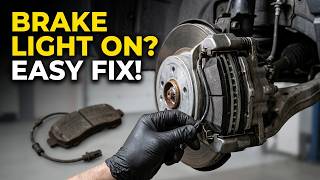
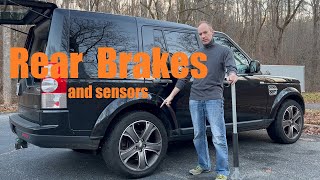
For a DIY mechanic with some experience, the job is considered relatively easy. The front brakes are straightforward, typically requiring the removal of two caliper bolts. 🎬 See a step-by-step guide for replacing your front brake pads. The rear brakes are similar but require putting the Electronic Parking Brake (EPB) into service mode, which can be a tricky procedure if not done correctly. 🎬 Learn how to replace rear pads and handle the EPB. If you are not comfortable with this, it's best to have a professional handle the job.
Do I need to replace the brake pad wear sensors?
Yes, if the 'Brake Pads Worn' light is on, you must replace the sensor on that axle. The sensors are located on the front left and rear right wheels. They are designed to be replaced with the pads and are not reusable once triggered.
Can I just replace the pads and not the rotors?
You can, but it's not always the best practice. If your rotors are smooth, within the minimum thickness specification, and not warped, you might get away with just a pad slap. However, for optimal performance and longevity, most mechanics recommend replacing pads and rotors together.
Why are my new aftermarket pads so dusty/noisy?
Brake pad dust and noise depend on the material composition. Some performance-oriented pads create more dust and noise in exchange for better high-speed stopping power. Ceramic pads are generally the best choice for low dust and quiet operation in daily driving conditions. If you're experiencing issues, ensure the pads were installed correctly with all new hardware and proper lubrication on the caliper slide pins.
Helpful Videos


Technical Specifications
OEM Part Numbers: LR134700 LR016962 LR134696 LR019627 LR055455 LR160458
The brake system utilizes single-use electronic wear sensors on the front-left and rear-right wheels. The rear brakes feature an Electronic Parking Brake (EPB) that requires a service mode procedure for retraction during pad replacement.
We Have This Part in Stock

The information in this article is provided for general reference and educational purposes only. Vehicle specifications, procedures, and part compatibility can vary by production date, trim level, and region. Always consult your vehicle's factory service manual and verify part numbers before purchasing or performing repairs. Safety-critical components such as airbags, seat belts, and braking systems should be installed by a qualified professional.
- Land Rover Discovery: