

A Deep Dive into the A/C Receiver Drier for the 2011-2016 Mazda 2
Understand this critical A/C part to keep your Mazda 2's cabin cool and prevent expensive repairs.
- The A/C receiver drier must be replaced every time the A/C system is opened for any service.
- Professional installation is required due to the need for specialized refrigerant handling equipment.
- Quality aftermarket brands like Denso and Four Seasons offer performance comparable to OEM for this specific part at a lower cost.
- Ignoring a failed drier can lead to catastrophic failure of the entire A/C system, including the compressor.
Is Your Mazda 2's A/C Not as Cold as It Used to Be?
If the air conditioning in your 2011-2016 Mazda 2 isn't performing well, a failing A/C receiver drier could be part of the problem. This component is a crucial maintenance part. It's designed to be replaced whenever the A/C system is opened for service, like when a compressor or condenser is changed. Over time, the moisture-absorbing material inside, called a desiccant, gets saturated and can't protect your system anymore.
Symptoms of a Failing A/C Receiver Drier
A bad receiver drier can cause several issues. Recognizing them early can save you from more costly repairs down the road.
- Poor Cooling Performance: This is the most common symptom. A clogged or saturated drier restricts refrigerant flow, so your A/C won't blow cold air.
- Foggy Windows: If the drier isn't removing moisture from the system, that moisture can end up on the inside of your windows, especially in humid weather.
- Moldy Smell: When the desiccant can no longer absorb water, it can lead to mold and mildew growth inside your A/C system, causing a bad smell from the vents.
- Rattling Noises: If the drier's internal components or the desiccant material breaks down, you might hear rattling from the engine bay when the A/C is on.
A Note on A/C Leaks
While a refrigerant leak can be a symptom, it's more likely to come from other parts of the system like hoses, the condenser, or the compressor. A Technical Service Bulletin (TSB) for some 2016 Mazda 2 models points to a potential refrigerant leak from the evaporator due to a manufacturing issue. Another TSB for 2016-2019 models notes potential leaks from the condenser due to corrosion. If you suspect a leak, a professional should inspect the entire system.
Choosing the Right Aftermarket Receiver Drier
For a maintenance part like a receiver drier, aftermarket options provide excellent value. Since it must be replaced any time the sealed A/C system is opened, spending a fortune on an OEM part isn't necessary. Here’s a look at the available brands:
- Denso: Denso is a well-respected OEM supplier for many Japanese brands, including Mazda. Choosing a Denso drier is the closest you can get to the original part's quality and fitment. It's a top-tier choice for reliability.
- Nissens: Nissens is another quality brand known for its A/C components. While sometimes requiring minor adjustments for a perfect fit on other vehicles, they are generally reliable and perform as designed.
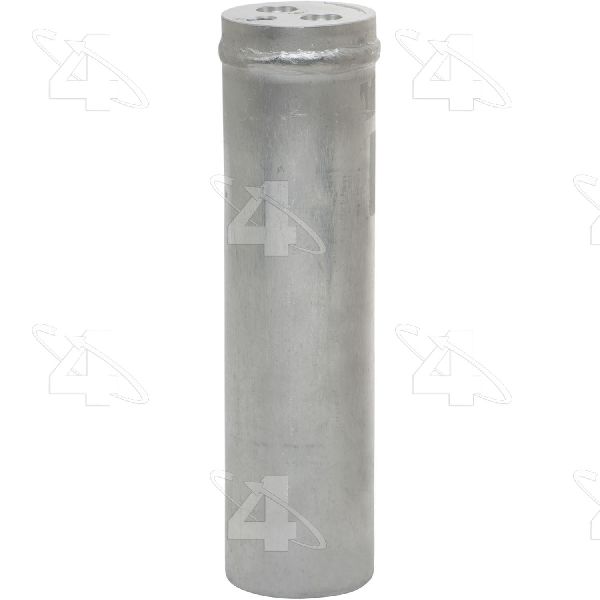
- Four Seasons: A very common and reliable aftermarket brand. Many mechanics and DIYers have used Four Seasons parts for years with good results. They offer a great balance of quality and price.
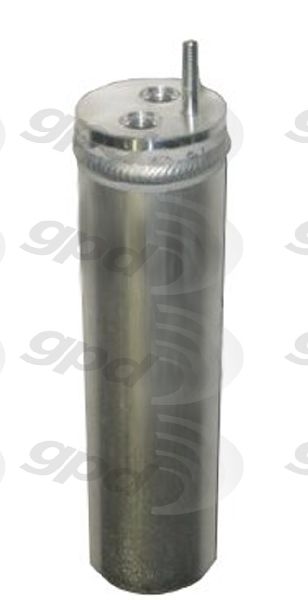
- Global Parts (GPD): Often positioned as a budget-friendly option, GPD parts can be a good choice if cost is the primary concern. They are widely available, often in kits that include other necessary components.
Pro Tip: Always Replace, Never Reuse
The number one rule of A/C repair is to replace the receiver drier whenever the system is opened to the atmosphere. The desiccant inside is highly absorbent and will be ruined by exposure to humidity in the air. Most warranties for new A/C compressors require proof that the drier was also replaced.
Cost of Replacing the A/C Receiver Drier on a 2011-2016 Mazda 2
The total cost will include the part itself, shop labor, and the cost to evacuate and recharge the A/C system with refrigerant.
| Item | Estimated Cost |
|---|---|
| New Aftermarket A/C Receiver Drier | $22 - $45 |
| New OEM A/C Receiver Drier | $115 - $135 |
| Shop Labor & A/C Service | $150 - $250 |
| Total Estimated Cost | $172 - $295 |
Frequently Asked Questions
Can I replace the A/C receiver drier myself?
This is not recommended for a DIY project. Replacing the receiver drier requires specialized equipment to safely recover the old refrigerant and then recharge the system after the new part is installed. Federal law prohibits releasing refrigerant into the atmosphere. This job is best left to a qualified mechanic.
When should the receiver drier be replaced?
The receiver drier must be replaced any time the A/C system is opened for repair. This includes replacing the compressor, condenser, evaporator, or any of the A/C lines. It's also a good idea to replace it if the system has been known to have a leak that has been repaired.
What happens if I don't replace a bad receiver drier?
Continuing to run your A/C with a failed drier can cause serious and expensive damage. Moisture can destroy the lubricating properties of the A/C oil and cause the compressor—the most expensive part of the system—to seize. Debris from a broken-down drier can also clog the expansion valve and other components.
Are there any recalls for the A/C system on the 2011-2016 Mazda 2?
No, there are no specific recalls for the A/C receiver drier or the A/C system in general for the 2011-2016 Mazda 2 in the North American market. However, there are Technical Service Bulletins (TSBs) related to A/C performance issues like refrigerant leaks from the evaporator or condenser on some models, which would require drier replacement during the repair.
Technical Specifications
OEM Part Numbers: DFR5-61-500 D651-61-501A
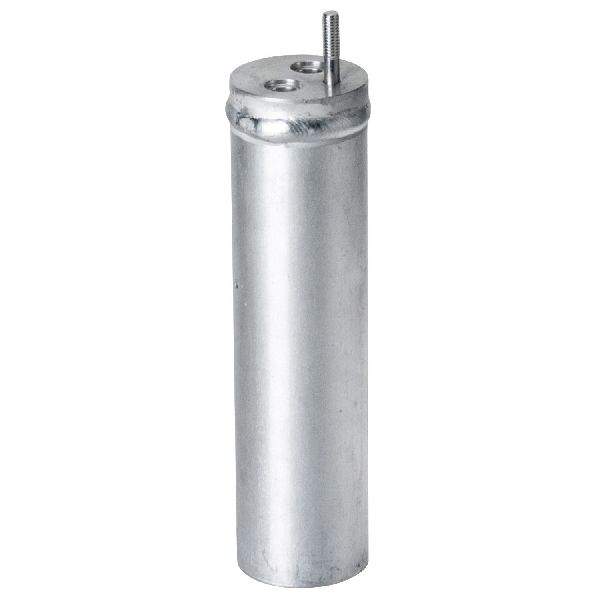
The A/C Receiver Drier for the 2011-2016 Mazda 2 is located in the high-pressure line of the A/C system, typically attached to or near the condenser. It contains desiccant material to absorb moisture and filters to trap debris.
We Have This Part in Stock

The information in this article is provided for general reference and educational purposes only. Vehicle specifications, procedures, and part compatibility can vary by production date, trim level, and region. Always consult your vehicle's factory service manual and verify part numbers before purchasing or performing repairs. Safety-critical components such as airbags, seat belts, and braking systems should be installed by a qualified professional.
- Mazda 2:
- 🛍️ Shop This Part
- Is Your Mazda 2's A/C Not as Cold as It Used to Be?
- Symptoms of a Failing A/C Receiver Drier
- A Note on A/C Leaks
- Choosing the Right Aftermarket Receiver Drier
- Pro Tip: Always Replace, Never Reuse
- Cost of Replacing the A/C Receiver Drier on a 2011-2016 Mazda 2
- Frequently Asked Questions
- 🎟️ Get 5% Off