

Toyota 4Runner Brake Light Switch Guide: 2011-2016 Models
Fix brake light failures, shifting problems, and dashboard warning lights on your 4Runner.
- A bad brake light switch can cause brake light failure, prevent shifting from Park, and trigger VSC/TRAC warning lights.
- This is a very common, inexpensive, and easy DIY repair that takes less than 15 minutes.
- If your brake lights are confirmed to be inoperative, the vehicle is unsafe to drive.
- For best results, choose a reputable aftermarket brand like Standard Ignition or Beck Arnley.
Is Your 4Runner's Brake Light Switch Failing?
A failing brake light switch in a 2011-2016 4Runner can cause a surprising number of issues that might not seem related to the brakes at first. Because this switch communicates with multiple vehicle systems, its failure can trigger a cascade of problems. Recognizing these symptoms is the first step to a quick and inexpensive fix.
Common Symptoms of a Bad Brake Light Switch:
- Brake Lights Don't Work: The most obvious and dangerous symptom. A helper can confirm if your brake lights are not illuminating when you press the pedal.
- Brake Lights Stay On: The switch can also fail in the 'on' position, leaving your brake lights permanently lit and draining your battery.
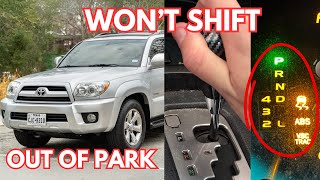
- Can't Shift Out of Park: Your 4Runner's gear selector is locked in Park until the computer receives a signal from the brake switch. If the switch is bad, the shifter won't release. 🎬 Watch: What to do if your Toyota is stuck in Park.
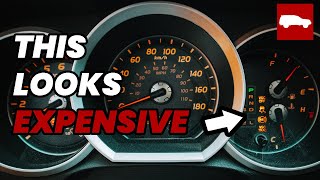
- VSC, TRAC, and/or ABS Lights On: Many 4Runner owners first notice a problem when the VSC TRAC, VSC OFF, and/or ABS lights appear on the dashboard, often without a check engine light. This happens because the stability control system relies on an accurate signal from the brake switch.
- Cruise Control Issues: The cruise control may not engage, or it might turn off unexpectedly while driving.
Safety and Legal Warning
Driving with malfunctioning brake lights is extremely dangerous and illegal. It significantly increases your risk of being rear-ended. If you confirm your brake lights are not working, do not drive the vehicle until it is repaired.
Choosing the Right Aftermarket Brake Light Switch
For a part this critical, quality matters. While an OEM switch from Toyota is always a safe bet, several reputable aftermarket brands offer a reliable and more affordable alternative. For a simple switch, a high-quality aftermarket part can provide excellent value.
Brand Quality Tiers
- Tier 1: Reputable Aftermarket (Recommended)
Brands like Standard Ignition and Beck Arnley have a long-standing reputation for producing quality components that meet or exceed original equipment (OE) specifications. Beck Arnley often specializes in parts for foreign nameplates and focuses on matching OE form, fit, and function. Standard Ignition is a well-regarded name in automotive electronics. Given the small price difference, choosing one of these brands is a smart investment for reliability. - Tier 2: Budget-Friendly Options
Brands such as Holstein, Vemo, and other generic or store brands fall into this category. They offer the lowest price point, but their long-term durability can be inconsistent. While they may function correctly out of the box, the internal contacts and plastics might not be as robust as higher-tier options. For a part that costs less than $40 and is crucial for safety, spending a few extra dollars for a better brand is highly recommended.
| Part/Service | Estimated Cost | Notes |
|---|---|---|
| New OEM | $50 - $80 | Purchased from a Toyota dealership or online OEM supplier. |
| New Aftermarket | $24 - $39 | Price for reputable brands like Standard or Beck Arnley. Budget brands may be cheaper. |
| Shop Labor | $60 - $120 | Represents 0.5-1.0 hour of labor. The job is very quick for a professional. |
| DIY Total | $24 - $39 | Highly recommended for this part. Requires no special tools. |
Pro Tip: Installation
Replacing the brake light switch is a very easy DIY job that takes about 10 minutes. The switch is located on a bracket just above the brake pedal arm. To replace it, you simply unplug the electrical connector, twist the old switch to release it from the bracket, and then install the new one in reverse. No tools are required for most designs. Watch a quick online video for your 4Runner to see the exact location before you start.
🎬 Watch this quick walkthrough to see the switch replacement process.Frequently Asked Questions (FAQ)
Why are my VSC and TRAC lights on because of a brake switch?
The Vehicle Stability Control (VSC) and Traction Control (TRAC) systems need to know if you are braking to work correctly. If the brake light switch provides an intermittent or incorrect signal, the computer flags it as a fault and disables these safety systems as a precaution, turning on the warning lights. For many 4Runner owners, this is the first and only symptom they notice.
🎬 See how a $30 part fixed these dashboard warning lights.Is a brake light switch the same as a stop lamp switch?
Yes, the terms are used interchangeably. Toyota often refers to it as a 'Stop Lamp Switch' in its official documentation.
I replaced the switch and my brake lights still don't work. What now?
First, check the 'STOP' fuse in the fuse box. A faulty switch can sometimes cause a fuse to blow. If the fuse is good, check the brake light bulbs themselves. If all bulbs and fuses are good, you may have a wiring issue, which is less common.
Was there a recall for the 2011-2016 4Runner brake light switch?
No. While Toyota did issue a recall for a similar issue on other models around that time (NHTSA 12V-091), the 2011-2016 4Runner was not included in that specific campaign. There are no open recalls specifically for the brake light switch on this generation of 4Runner.
Helpful Videos
Technical Specifications
OEM Part Numbers: 84340-04070 84340-69015 84340-0E030
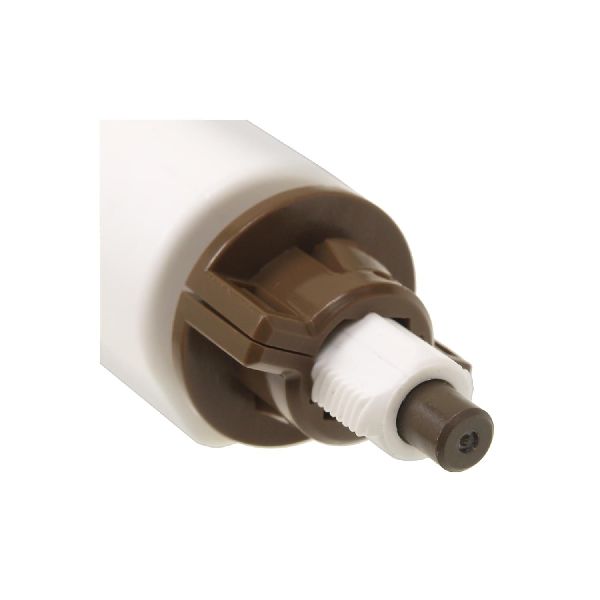
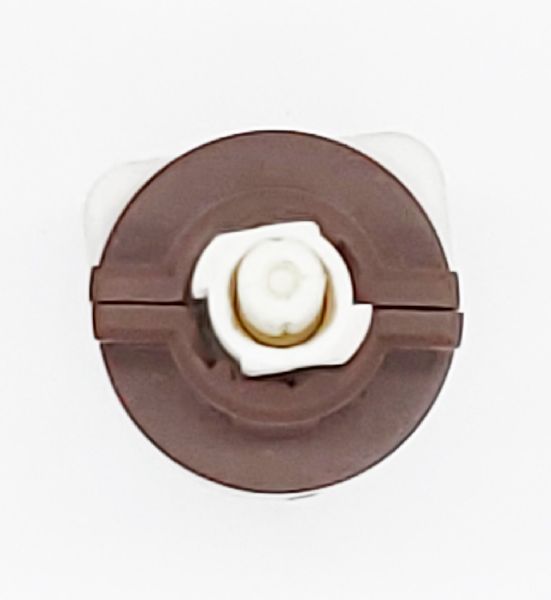
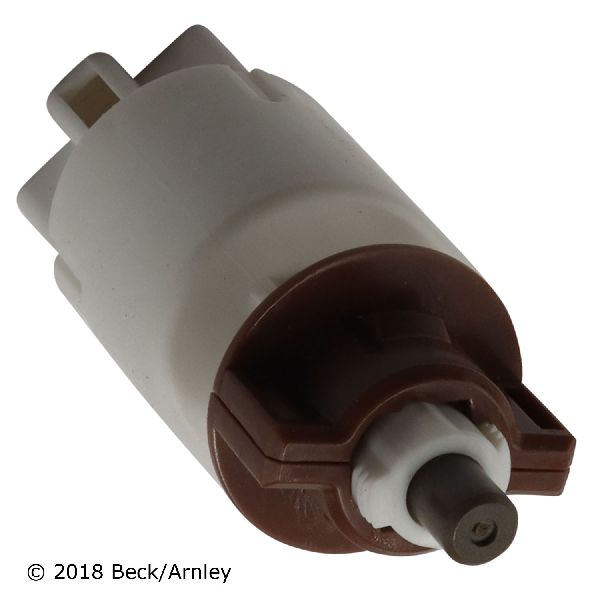
Typically a 4-terminal, twist-in switch mounted to the brake pedal bracket.
We Have This Part in Stock


The information in this article is provided for general reference and educational purposes only. Vehicle specifications, procedures, and part compatibility can vary by production date, trim level, and region. Always consult your vehicle's factory service manual and verify part numbers before purchasing or performing repairs. Safety-critical components such as airbags, seat belts, and braking systems should be installed by a qualified professional.
- Toyota 4Runner: