

A Guide to Replacing the Oxygen Sensors on Your 2011-2016 Toyota Prius
Understanding the difference between your Prius's two oxygen sensors is key to fixing it right the first time.
- Your Prius has two different sensors: an upstream Air/Fuel Sensor and a downstream Oxygen Sensor. Identify the correct one before buying.
- Stick with Denso (OEM) or NGK/NTK brands to avoid compatibility issues and persistent check engine lights.
- A P0420 code does not automatically mean a bad catalytic converter; it is often caused by a faulty oxygen sensor.
- The downstream sensor is an easy DIY replacement, but the upstream sensor is much more difficult to access.
Understanding Oxygen Sensor Failure in Your Prius

When an oxygen sensor fails on your 2011-2016 Prius, your first warning is almost always the check engine light. You might also notice a drop in your usually high MPG, a rough or uneven idle, or hesitation when you accelerate. In some cases, a bad sensor can cause a rich fuel mixture, leading to a 'rotten egg' smell from the exhaust as the catalytic converter gets overworked. These sensors live in a harsh environment of extreme heat and corrosive exhaust gases, so failure over time is common, often around the 100,000-mile mark.
🎬 Watch a mechanic explain why these Prius sensors often fail.Upstream vs. Downstream: A Critical Difference
Your Prius has two sensors, and they are not interchangeable. Knowing which one has failed is crucial.
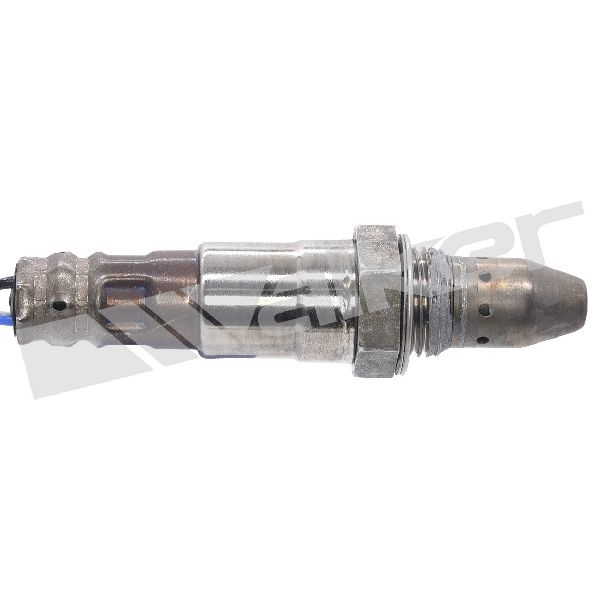
- Upstream Sensor (Bank 1, Sensor 1): This is an Air/Fuel Ratio Sensor. It's located on the exhaust manifold before the catalytic converter. It is harder to access and often requires removing the wiper cowl assembly for replacement. 🎬 Watch this step-by-step walkthrough for replacing the upstream sensor. A failure here directly impacts engine performance and fuel economy.
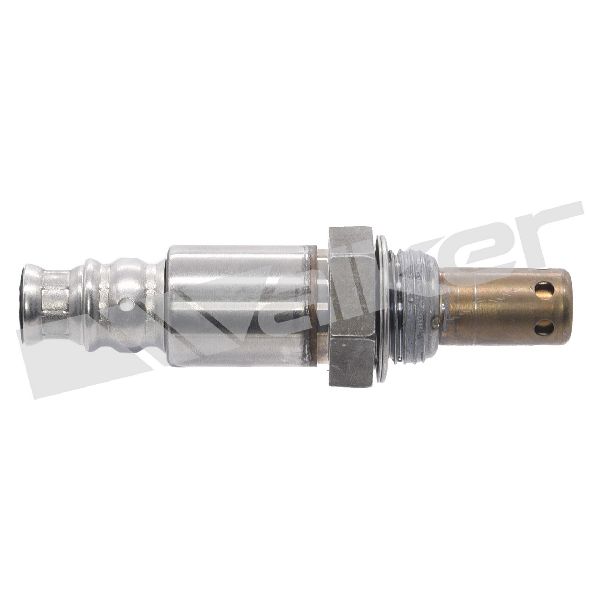
- Downstream Sensor (Bank 1, Sensor 2): This is a standard Oxygen Sensor. It's located after the catalytic converter and is much easier to access from under the vehicle. Its main job is to confirm the catalytic converter is working. A failure here will trigger a check engine light and cause you to fail an emissions test.
The P0420 Code Trap
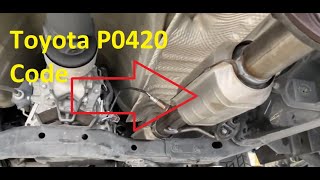
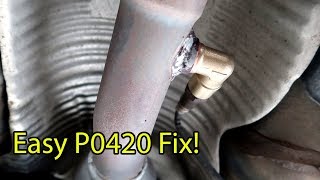
The code P0420 (Catalyst System Efficiency Below Threshold) is very common on the Gen 3 Prius. While this code can mean you need a new, expensive catalytic converter, it is often triggered by a faulty oxygen sensor. The downstream sensor might be sending incorrect data, or a failing upstream sensor could be creating a bad fuel mix that fools the downstream sensor. Always diagnose the sensors properly before assuming the catalytic converter is the problem.
🎬 See how to diagnose and fix common P0420 code causes.Choosing the Right Aftermarket Oxygen Sensor

The electronics in a Toyota Prius are sensitive. While many aftermarket parts work well, oxygen sensors are one area where brand choice really matters. Using a low-quality sensor can result in the check engine light returning even after the part has been replaced.
- Tier 1 (OEM Equivalent): Denso is the original equipment manufacturer for Toyota. Choosing a Denso sensor is the safest bet for guaranteed compatibility and performance. NGK (NTK) is another top-tier Japanese brand that is highly regarded and functions as an OEM supplier for many automakers. For a critical part like this, sticking with Denso or NGK is strongly recommended by experienced mechanics and owners.
- Tier 2 (Reputable Aftermarket): Bosch is a major global parts supplier that makes quality sensors. While generally reliable, some Toyota specialists prefer to stick with the original Japanese brands (Denso/NGK) to eliminate any chance of compatibility issues.
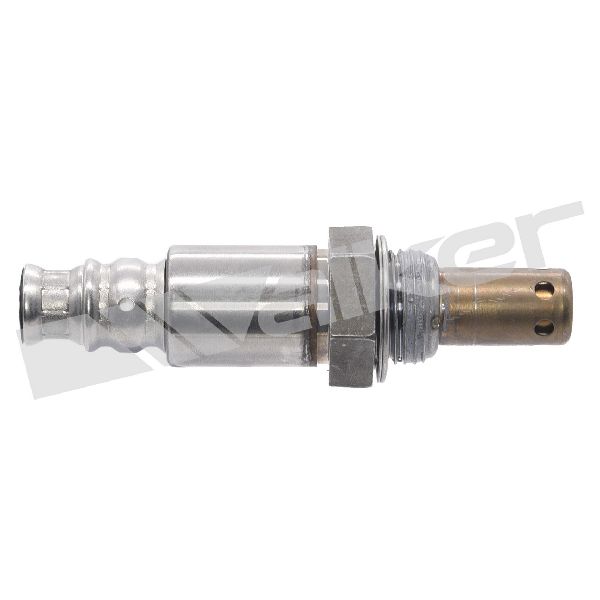
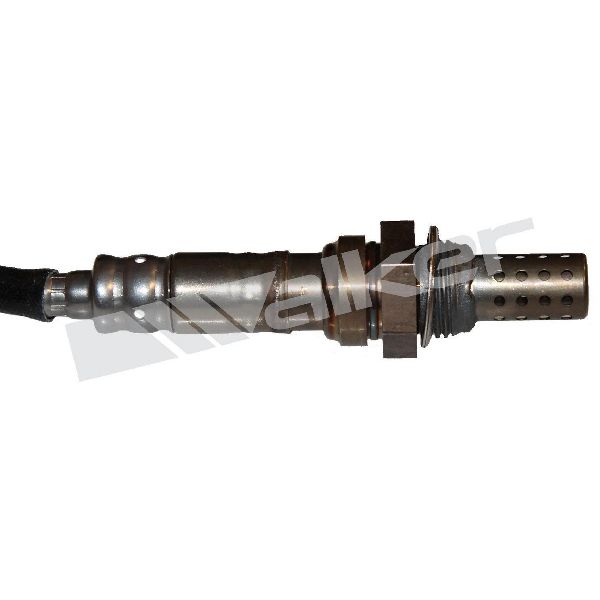
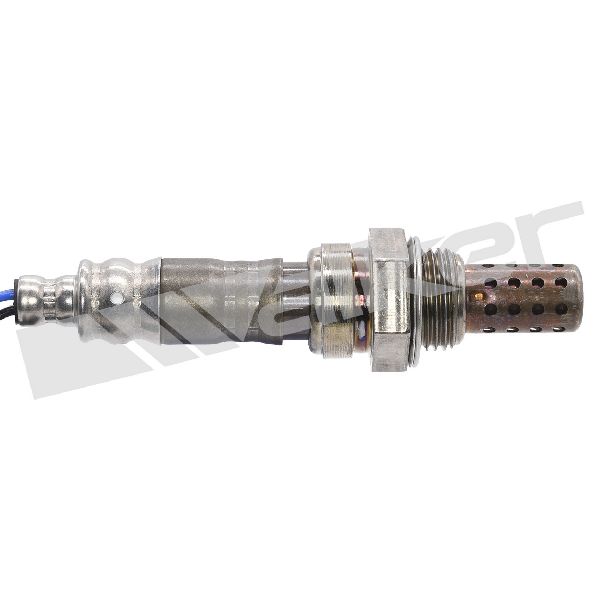
- Tier 3 (Economy): Brands like Walker Products and DriveWire offer a budget-friendly option. However, given the finicky nature of the Prius's emission system, using these brands can be a gamble that may lead to persistent codes and the need to do the job twice.
Pro Tip: When buying an aftermarket sensor, always choose a "Direct-Fit" model. These come with the correct-length wire and factory-style electrical connector, making installation much easier than a "Universal" sensor that requires you to cut and splice wires.
Cost of Replacing a Toyota Prius Oxygen Sensor

| Part / Service | Estimated Cost |
|---|---|
| New OEM Sensor | $125 - $200 |
| New Aftermarket Sensor | $64 - $288 |
| Shop Labor | $100 - $300 |
| Total Estimated Cost | $164 - $588 |
Note: Labor costs can vary significantly. The upstream sensor is more difficult and will be at the higher end of the labor estimate, while the downstream sensor is easier and will be at the lower end.
Frequently Asked Questions

Are there any recalls for the 2011-2016 Prius oxygen sensor?
No, there are no specific recalls or technical service campaigns issued by Toyota or the NHTSA for oxygen sensor failure on the 2011-2016 Toyota Prius. There was a campaign for a different Toyota model, but it does not apply to the Prius.
Can I replace just one oxygen sensor?
Yes. You only need to replace the sensor that has failed. An OBD-II scanner will provide a trouble code that identifies which sensor is having a problem (e.g., Bank 1 Sensor 1 for upstream, Bank 1 Sensor 2 for downstream).
What tools do I need to replace an oxygen sensor?
You will need basic hand tools, a penetrating oil to loosen the old sensor, and a special oxygen sensor socket. This socket has a slit on the side to fit over the sensor's wire. You will also need a jack and jack stands to safely work under the car for the downstream sensor.
What is the difference between an Air/Fuel sensor and an Oxygen sensor?
An Air/Fuel (A/F) sensor, like the upstream sensor on your Prius, is a type of wideband oxygen sensor. It provides a more precise and faster reading of the air-fuel mixture, which modern, efficient engines need. A traditional oxygen sensor, like the downstream one, has a slower, more narrow response and is mainly used for checking functions, like catalyst efficiency.
Helpful Videos


Technical Specifications
OEM Part Numbers: 89465-47070 89465-47080 89467-47010 89467-47020
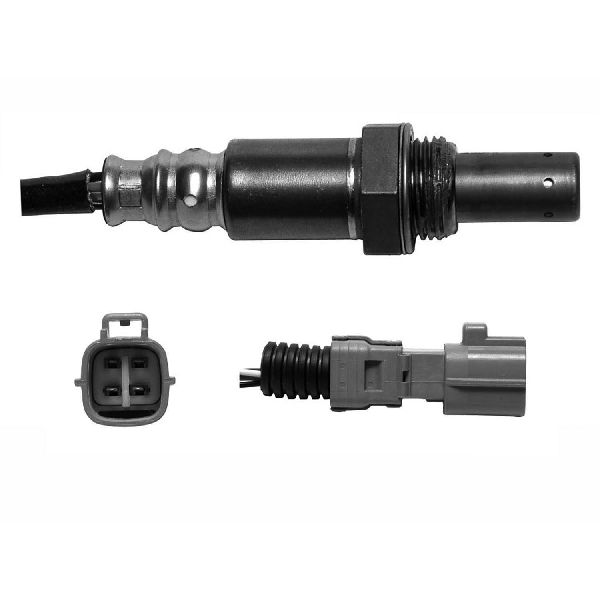
The 2011-2016 Prius uses one upstream wideband Air/Fuel Ratio Sensor (Bank 1, Sensor 1) and one downstream narrowband Oxygen Sensor (Bank 1, Sensor 2). Both are heated, 4-wire sensors with direct-fit connectors.
We Have This Part in Stock

The information in this article is provided for general reference and educational purposes only. Vehicle specifications, procedures, and part compatibility can vary by production date, trim level, and region. Always consult your vehicle's factory service manual and verify part numbers before purchasing or performing repairs. Safety-critical components such as airbags, seat belts, and braking systems should be installed by a qualified professional.
- Toyota Prius: