

A Guide to Replacing Oxygen Sensors on the 2011-2017 Audi A4 Quattro
Understand the symptoms of a failing O2 sensor and how to choose the right aftermarket replacement for your Audi.
- Your A4 Quattro has two O2 sensors; identify whether the upstream or downstream one has failed before buying.
- Bosch is the OEM supplier for Audi, making it a top choice for aftermarket replacement to ensure compatibility and quality.
- Always buy a 'direct-fit' sensor with the correct connector to avoid cutting and splicing wires.
- Replacing a faulty O2 sensor promptly can prevent damage to your catalytic converter and restore fuel economy.
Is Your Audi A4 Quattro's Oxygen Sensor Failing?

A failing oxygen (O2) sensor can cause noticeable problems with your car's performance and trigger the check engine light. Because these sensors play a key role in fuel management and emissions, ignoring a bad one can lead to reduced gas mileage, poor engine performance, and even damage to your catalytic converter over time. Recognizing the symptoms early can save you from more expensive repairs down the road.
Symptoms of a Bad Oxygen Sensor
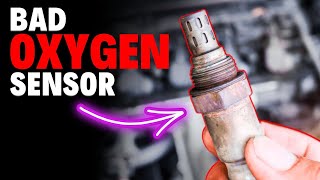
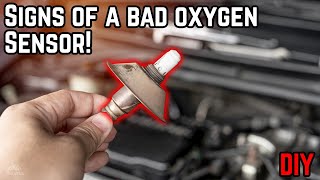
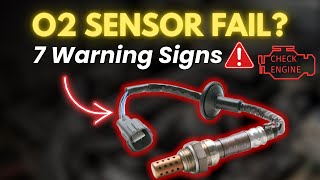
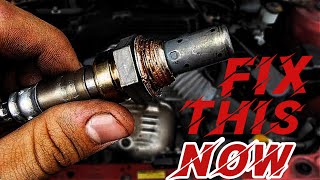
🎬 Watch: 9 warning signs of a failing oxygen sensor- Check Engine Light: This is the most common sign. Codes like P0131 (Sensor 1) or P0141 (Sensor 2) point directly to an O2 sensor issue.
- Poor Fuel Economy: If the sensor provides bad data, the engine may run rich (too much fuel), causing you to fill up more often.
- Rough Idle and Misfires: An incorrect air-fuel mixture can cause the engine to idle poorly, hesitate, or misfire.
- Failed Emissions Test: A bad O2 sensor is a common reason for failing a vehicle emissions inspection.
Upstream vs. Downstream Sensors
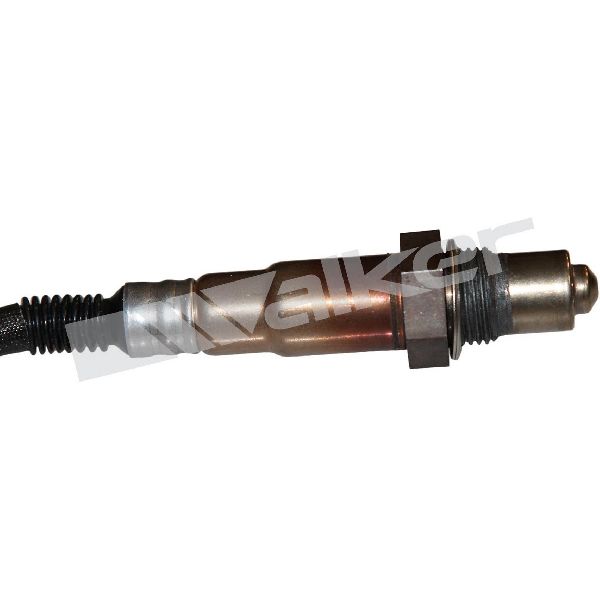
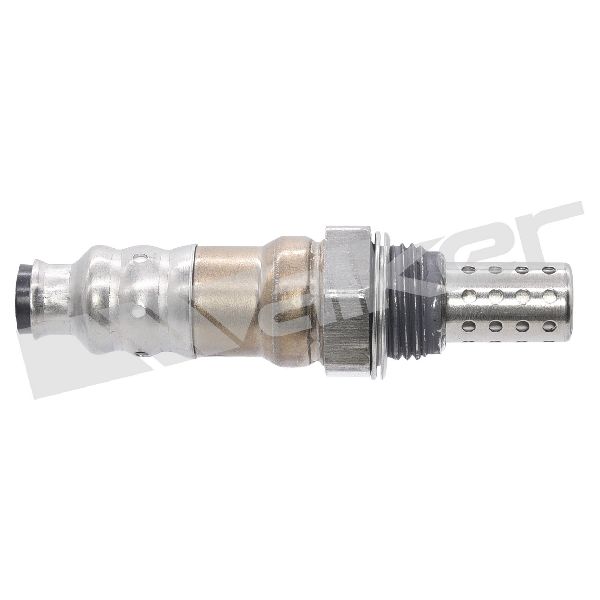
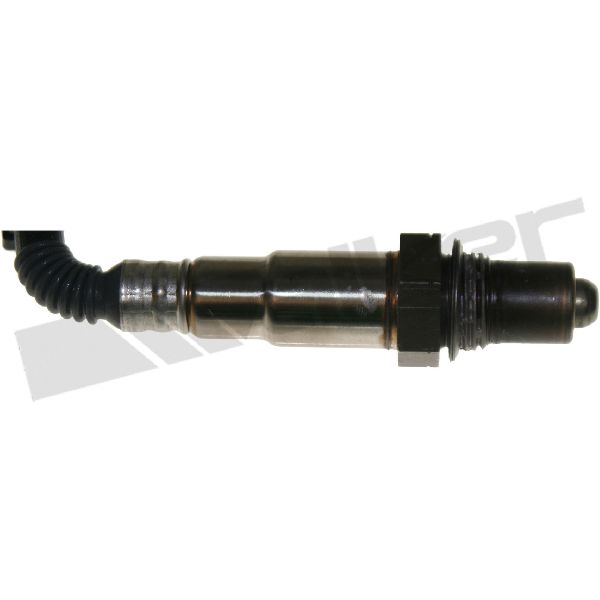
Your 2011-2017 A4 Quattro 2.0T has two oxygen sensors. The upstream sensor (also called Sensor 1 or air-fuel ratio sensor) is located before the catalytic converter and is the primary sensor for adjusting the fuel mixture. The downstream sensor (Sensor 2) is located after the catalytic converter and monitors its efficiency. They are not interchangeable.
🎬 See this video to locate both sensors on your AudiChoosing the Right Aftermarket Oxygen Sensor

When replacing an oxygen sensor, you don't have to buy the expensive OEM part from an Audi dealer. Many aftermarket brands offer high-quality, direct-fit replacements that perform just as well. For German vehicles, sticking with a known OE supplier is a safe bet.
Brand Quality Tiers
- Tier 1 (OE-Quality): Bosch, NGK/NTK, Denso. Bosch is the original equipment manufacturer for many Audi parts, including oxygen sensors. Choosing a direct-fit sensor from Bosch is the closest you can get to the factory part. NGK (under the NTK brand) and Denso are also top-tier Japanese suppliers known for excellent quality and durability that often meet or exceed OEM standards.
- Tier 2 (Quality Aftermarket): Walker Products, Delphi. These brands offer reliable and more budget-friendly alternatives. They are a good choice for owners looking for a balance between cost and quality.
- Tier 3 (Economy): DriveWire and other value brands. While the most affordable, these sensors may have a shorter lifespan or less precise readings compared to premium brands. They can be a solution for older, high-mileage vehicles where budget is the primary concern.
Pro Tip: Buy Direct-Fit
Always choose a "direct-fit" or "vehicle-specific" sensor. These come with the correct electrical connector for your A4, making installation a simple plug-and-play process. Avoid "universal" sensors, which require you to cut and splice wires and can lead to installation errors.
Expected Replacement Costs
The cost can vary depending on the brand you choose and whether you do the work yourself or hire a professional.
| Part & Labor | Estimated Cost |
|---|---|
| New Aftermarket Oxygen Sensor | $44 - $198 |
| Shop Labor | $100 - $200 |
| Total Professional Replacement | $144 - $398 |
Frequently Asked Questions

How many oxygen sensors does my 2011-2017 A4 Quattro have?
The 2.0T engine in this generation has two oxygen sensors: one upstream (before the catalytic converter) and one downstream (after the catalytic converter).
Can I replace just one sensor?
Yes. You only need to replace the sensor that has failed. A diagnostic scan tool will show a specific code that identifies which sensor (1 or 2) needs replacement.
Is this a difficult DIY job?
Replacing an oxygen sensor is a feasible DIY job for those with some mechanical experience. It requires a special tool called an oxygen sensor socket, which has a slot for the wire. The biggest challenges are often accessing the sensor and breaking it loose if it's rusted in place. The upstream sensor is typically accessed from the top of the engine bay, while the downstream sensor requires lifting the car.
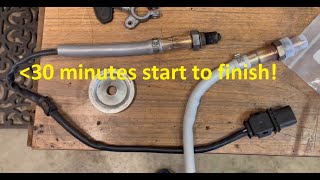
🎬 Watch: Step-by-step guide to replacing both primary and secondary sensorsAre there any recalls for the oxygen sensor on my Audi?
A search of the National Highway Traffic Safety Administration (NHTSA) database did not show any specific recalls for oxygen sensors on the 2011-2017 Audi A4. However, other recalls for issues like airbags and coolant pumps have been issued for this vehicle range.
Helpful Videos
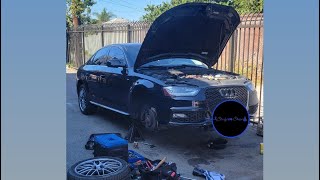
Technical Specifications
OEM Part Numbers: 06J906262M 1K0998262T
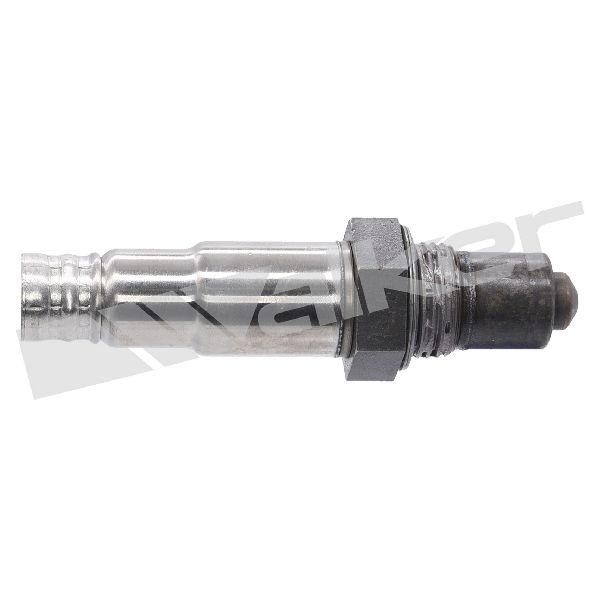
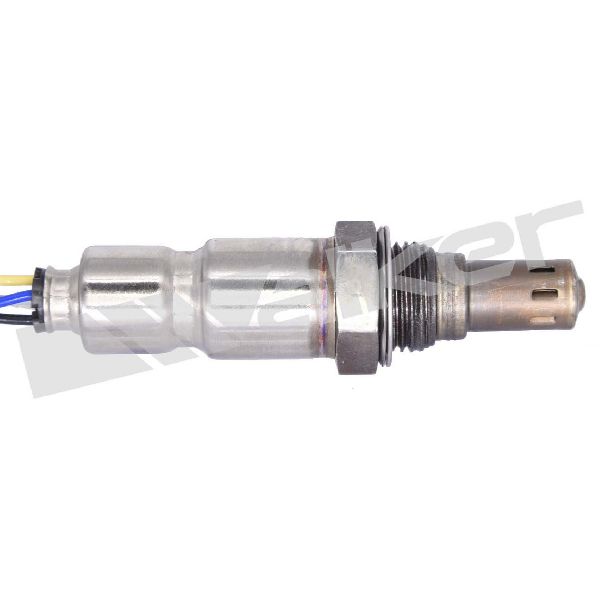
The 2011-2017 Audi A4 Quattro 2.0T uses two oxygen sensors: one upstream (wideband air-fuel ratio sensor, typically with 6 pins) and one downstream (switching-type sensor, typically with 4 pins). A 22mm slotted socket is required for removal and installation.
We Have This Part in Stock


The information in this article is provided for general reference and educational purposes only. Vehicle specifications, procedures, and part compatibility can vary by production date, trim level, and region. Always consult your vehicle's factory service manual and verify part numbers before purchasing or performing repairs. Safety-critical components such as airbags, seat belts, and braking systems should be installed by a qualified professional.
- Audi A4 Quattro:
- 🎬 Helpful Videos
- 🛍️ Shop This Part
- Is Your Audi A4 Quattro's Oxygen Sensor Failing?
- Symptoms of a Bad Oxygen Sensor
- Upstream vs. Downstream Sensors
- Choosing the Right Aftermarket Oxygen Sensor
- Brand Quality Tiers
- Pro Tip: Buy Direct-Fit
- Expected Replacement Costs
- Frequently Asked Questions
- 🎟️ Get 5% Off