

Audi Q5 Turbocharger Boost Sensor Guide (2011-2017)
Experiencing poor acceleration or a check engine light? Your Turbo Boost Sensor might be the culprit.
- A bad boost sensor will cause a Check Engine Light and significant loss of power.
- Before replacing the sensor, inspect the wiring harness for damage, as this is a known issue covered by Audi TSBs.
- Bosch is the recommended aftermarket brand as it is the likely OEM supplier, ensuring top quality and fit.
- This is a very simple DIY replacement that can be completed in under 30 minutes with basic tools.
Is Your Audi Q5 Boost Sensor Failing?


A faulty turbo boost sensor can cause a range of noticeable problems in your 2011-2017 Audi Q5. Because the sensor provides bad data to the engine's computer, performance issues are the most common complaint. You are likely to see a Check Engine Light on your dashboard, often accompanied by a sudden loss of power or sluggish acceleration.
Common Symptoms:
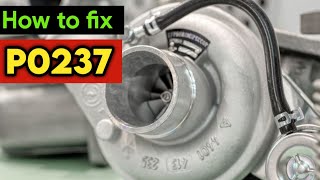
- Check Engine Light: The most common sign, with codes like P0236, P0237, or P0238. 🎬 Watch how to fix common P0238 and P0106 fault codes.
- Loss of Power: The vehicle may feel sluggish, hesitate, or struggle to accelerate.
- Engine Jerking or Bucking: Unsmooth power delivery while driving.
- Poor Fuel Economy: The engine may run too rich, burning more fuel than necessary.
- Rough Idle: An unstable or shaky engine when the car is stopped.
Known Issue: Check the Wiring First!
Before you replace the sensor, inspect its electrical connector and wiring. Audi has issued Technical Service Bulletins (TSBs) for the 2011-2017 Q5 regarding this exact issue. The engine wiring harness can be too tight, causing wires to break or pins to pull out of the sensor's connector over time due to engine vibrations. Symptoms include hesitation, low power, and the same fault codes as a bad sensor. A simple wiring repair could solve the problem 🎬 See how to diagnose electrical faults and turbo boost issues. without needing a new sensor.
Choosing the Right Aftermarket Boost Sensor

When it comes to electronic sensors for a German vehicle like your Q5, brand quality matters. Sticking with reputable manufacturers ensures proper function and longevity.
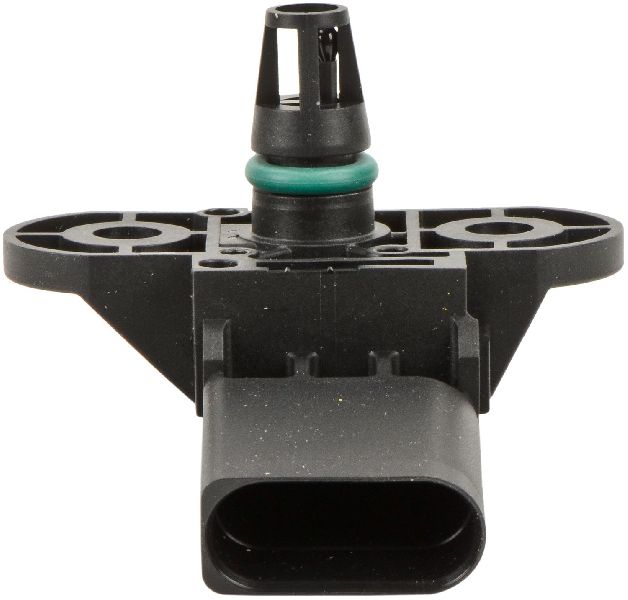
- Bosch: Bosch is a premier choice and is very likely the original equipment manufacturer (OEM) for Audi. Choosing a Bosch aftermarket sensor is essentially like buying the original part without the dealership price tag. It guarantees perfect fitment, performance, and reliability.
- Standard Ignition (Standard Motor Products): Standard is a well-respected aftermarket brand that has been around for decades. They manufacture quality components that meet or exceed OEM specifications. For many applications, they are a trusted and reliable alternative to the OEM part, offering a good balance of quality and value.
Pro Tip: Given that Bosch is the likely OEM supplier, it is the top-tier choice for this repair. However, Standard Ignition offers a dependable and cost-effective alternative that you can install with confidence.
Cost of Replacing the Turbo Boost Sensor

This is a very DIY-friendly repair. However, if you choose to have a professional do the work, here are the estimated costs.
| Part / Service | Estimated Cost |
|---|---|
| New Aftermarket Part | $41 - $63 |
| New OEM Part | $100 - $160 |
| Shop Labor | $50 - $120 |
| Total Professional Replacement | $151 - $235 |
Frequently Asked Questions

What does the Turbo Boost Sensor actually do?
It measures the amount of air pressure being forced into your engine by the turbocharger. The engine's computer uses this reading to make sure the engine gets the right amount of fuel for optimal power and efficiency.
Can I replace this sensor myself?
Yes, this is a great DIY job for beginners. The sensor is usually easy to access on top of the engine or on the intake piping, held in by one or two Torx screws. 🎬 Watch this step-by-step guide to replacing the sensor yourself. The job typically takes less than 30 minutes with basic tools.
Is Bosch really better than Standard Ignition for my Audi?
Bosch is the original manufacturer for many Audi parts, so it's considered the highest quality choice for guaranteed performance. However, Standard Ignition is a reputable brand that produces reliable parts and is a very solid second choice if you're looking for a more budget-friendly option.
Why is my Check Engine Light still on after replacing the sensor?
First, the fault code needs to be cleared from the vehicle's computer with a scan tool. If the light returns, the problem may be the wiring harness, as noted in the TSBs. It's also possible there is a boost leak from a cracked hose elsewhere in the system.
Helpful Videos


Technical Specifications
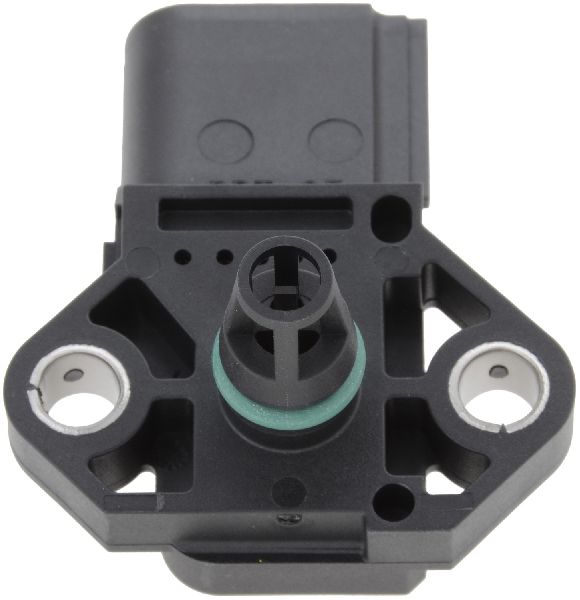
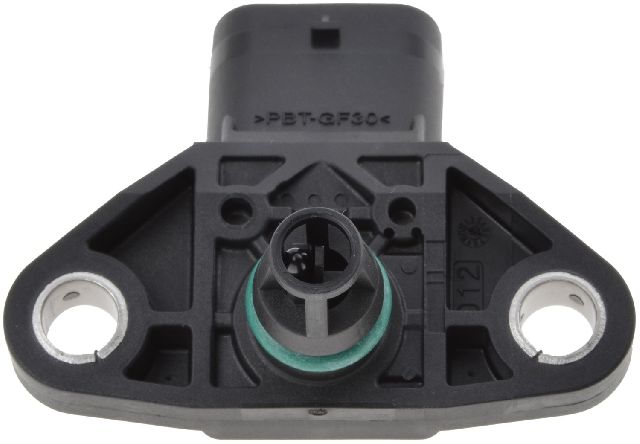
OEM Part Numbers: 038906051C 0281002401
Also known as a Manifold Absolute Pressure (MAP) sensor. It is typically located on the intake manifold or charge pipe.
We Have This Part in Stock


The information in this article is provided for general reference and educational purposes only. Vehicle specifications, procedures, and part compatibility can vary by production date, trim level, and region. Always consult your vehicle's factory service manual and verify part numbers before purchasing or performing repairs. Safety-critical components such as airbags, seat belts, and braking systems should be installed by a qualified professional.
- Audi Q5: