

A Guide to Aftermarket Brake Pads for the 2011-2017 Audi RS5
Stop second-guessing your brake pad choice and find the right balance of performance, noise, and dust for your RS5.
- Replacing rear pads requires a special electronic tool to retract the parking brake motors; this is not an optional step.
- Choose your pads based on your priorities: Ceramic pads (like Akebono) for low dust and noise, or Performance pads (like EBC Yellowstuff) for maximum bite with more dust.
- OEM pads perform very well but are known for being expensive and creating a lot of brake dust.
- Brake squeal is a common characteristic of RS5 brakes and is not always a sign of a problem.
Signs Your RS5 Brake Pads Are Worn
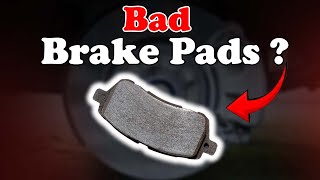
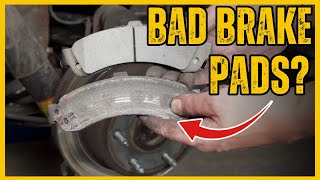
Your Audi is smart enough to tell you when its pads are low via a dashboard warning light. 🎬 Watch: A visual guide to common symptoms of bad brake pads. However, there are other physical signs you shouldn't ignore.
- Squealing or Grinding Noises: High-pitched squealing when you apply the brakes is a common first sign. This is often caused by a built-in wear indicator. If you hear a lower-pitched, harsh grinding sound, it means the pads are completely worn away, and you are causing severe damage to your brake rotors.
- Brake Dust: While factory RS5 pads are known for creating a lot of dust, a sudden increase can indicate accelerated wear. Many owners switch to aftermarket ceramic pads specifically to reduce the amount of dust on their wheels.
- Vibrations: If you feel a pulsing or vibration through the brake pedal or steering wheel when braking, your brake rotors may be warped. This often happens alongside pad wear, especially with aggressive driving.
- Longer Stopping Distances: If you notice the car taking longer to stop than it used to, your pads are likely worn out and can no longer create the necessary friction.
Choosing the Right Aftermarket Brake Pads
The original Audi brake pads are excellent for performance but are expensive and create a lot of brake dust. Aftermarket pads offer a chance to tailor your car's braking characteristics to your driving style and tolerance for dust and noise.
Pad Material: Ceramic vs. Semi-Metallic
Most aftermarket options for the RS5 fall into two categories:
- Ceramic Pads: These are the best choice for the majority of daily drivers. They produce significantly less dust and are much quieter than other types. Brands like Akebono are famous for their clean and quiet operation. The trade-off can sometimes be a slightly less aggressive initial "bite" compared to performance pads.
- Performance Semi-Metallic/Hybrid Pads: If you prioritize stopping power for spirited driving or occasional track days, these are for you. Brands like EBC Brakes and Hawk Performance offer compounds that provide incredible bite and resistance to high-temperature fade. The downside is more noise and heavy brake dust, similar to or even exceeding the OEM pads.
A Note on Brake Squeal
High-performance brake systems like the one on the RS5 are prone to squealing, especially at low speeds. This is not always a sign of a problem. It can be caused by the pad compound, light braking habits that glaze the pads, or even humidity. Audi has even released technical service bulletins (TSBs) to help technicians diagnose these noises. Sometimes, a few hard stops can clean the pad and rotor surface and temporarily reduce noise.
Brand Tiers for Your RS5
- Premium (Low Dust, Street Focused): For the owner who wants great, quiet stopping power without constantly cleaning their wheels. These are ideal for daily driving.
- Akebono: Highly recommended in owner forums for minimal dust and quiet operation.
- Hawk Performance Ceramic: A premium option promising low dust and noise with performance that's a step above standard pads.
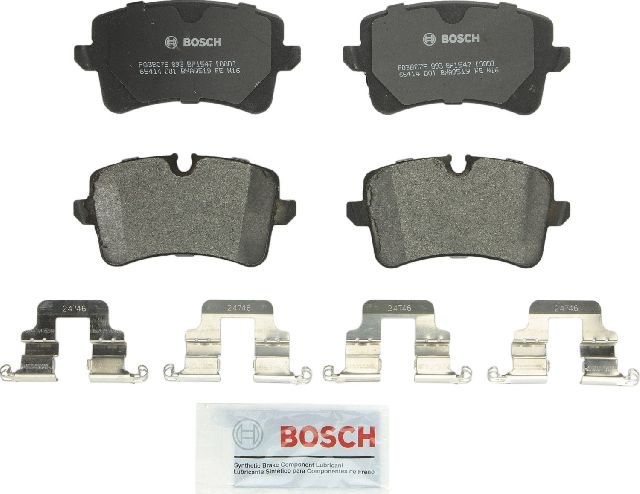
- Bosch QuietCast: A popular and reliable choice that prioritizes quiet, low-dust performance.
- Performance (Spirited Street & Track): For the enthusiast who accepts dust and potential noise as a trade-off for maximum performance.
- EBC Brakes (Yellowstuff/Redstuff): Yellowstuff is a popular aggressive street and light-track pad, while Redstuff is a ceramic-based performance pad with less dust.
- Hawk Performance (HPS 5.0): A well-known performance street pad with strong stopping power.
- Brembo: As an OEM supplier, their aftermarket performance pads offer a familiar, high-bite feel.
- OEM-Equivalent: These brands often manufacture the original parts for Audi and offer reliable, factory-spec performance.
- Pagid: A known OEM supplier.
- Textar: Another brand that makes original parts for Audi.
- Zimmermann / TRW: Reputable German brands that offer high-quality replacement parts.
Known Issues, Recalls, and Service Bulletins
As of early 2026, there are no specific NHTSA recalls for the disc brake pads on the 2011-2017 Audi RS5. Recalls for other Audi models have involved brake hoses or master cylinders, but not the pads themselves. However, Audi has published several general Technical Service Bulletins (TSBs) regarding brake noise complaints like squeaking or grinding, which are common on performance models. These bulletins guide technicians on how to diagnose and resolve noise issues, which may include cleaning, lubricating components, or replacing pads.
Critical Replacement Information: The Electronic Parking Brake
The most important thing to know when replacing the rear brake pads on an RS5 is that you cannot simply push the caliper pistons back. The rear calipers are equipped with an Electronic Parking Brake (EPB). You must use a compatible diagnostic tool (like VCDS or OBDeleven) to put the rear brakes into a special "service mode" or "lining change mode". This electronically retracts the motors. Failure to do this before trying to compress the pistons will destroy the expensive rear calipers. This makes the rear brake job significantly more complex than the front.
🎬 See this walkthrough for upgrading the rear brakes on your RS5.Frequently Asked Questions (FAQ)
Do I have to replace my rotors at the same time as my pads?
Not always, but it is standard practice at many shops. High-performance cars like the RS5 are hard on rotors. A technician should measure the rotor's thickness and check for warping or heavy grooving. If the rotors are near their minimum thickness specification or are warped, they must be replaced for safety and performance.
What are brake wear sensors?
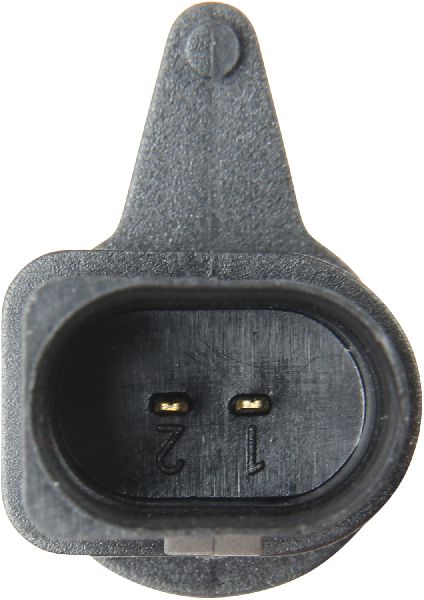
Your RS5 uses electronic wear sensors. These are small probes embedded in the brake pads. When the pad wears down to a certain point, the sensor makes contact with the rotor, breaking a circuit and triggering the brake warning light on your dashboard. Most quality aftermarket pad sets include new sensors. They are not reusable if they have been triggered.
Why are my new brakes making noise?
New pads need to be "bedded-in" to the rotors. This process involves a series of controlled stops to deposit an even layer of friction material onto the rotor surface. Improper bedding can cause noise and vibration. Performance pads are also naturally noisier than standard pads. If the noise persists, it could be due to improper lubrication of contact points.
🎬 Watch: How to properly bed in your new performance brakes.Can my Audi dealer install aftermarket pads?
Most dealerships will decline to install customer-supplied or aftermarket parts due to liability and warranty policies. It's best to call your specific dealer's service department to ask. An independent shop that specializes in German vehicles is usually the best place for this kind of work.
Helpful Videos


Technical Specifications
OEM Part Numbers: 8T0698151D
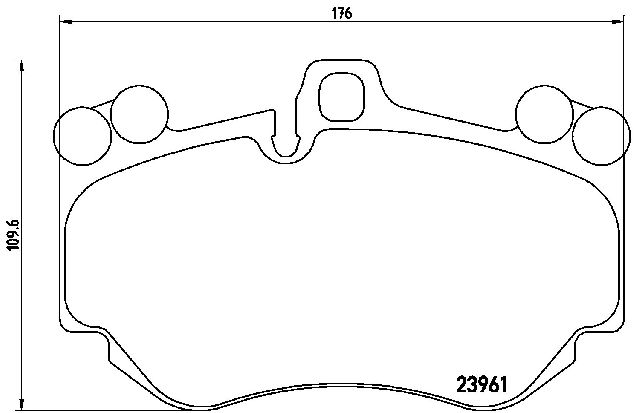
The 2011-2017 RS5 uses large, multi-piston fixed calipers on the front axle and single-piston sliding calipers with an integrated electronic parking brake on the rear. Both front and rear pads require wear sensors. The front pads are typically held in by retaining pins, while the rear pads are secured within the caliper bracket.
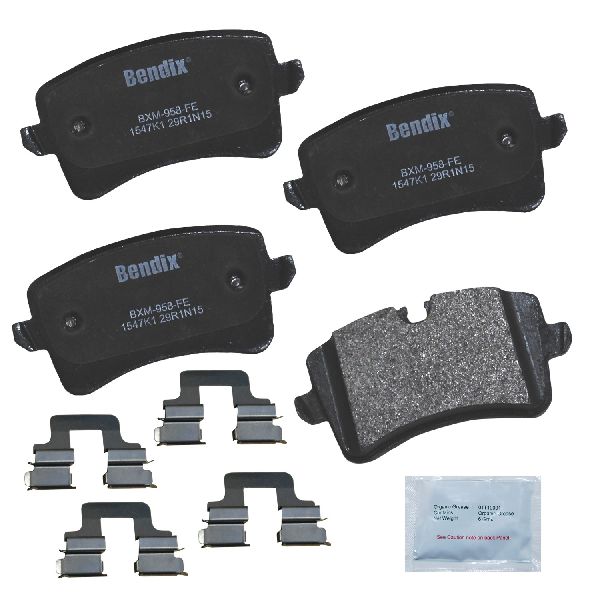
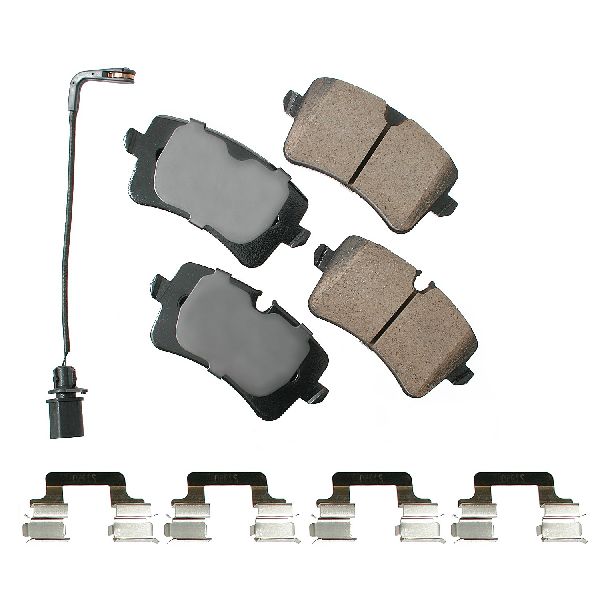
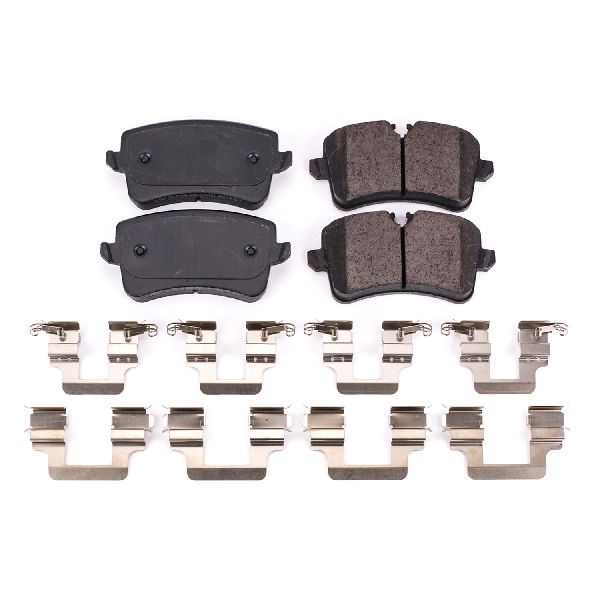
We Have This Part in Stock

The information in this article is provided for general reference and educational purposes only. Vehicle specifications, procedures, and part compatibility can vary by production date, trim level, and region. Always consult your vehicle's factory service manual and verify part numbers before purchasing or performing repairs. Safety-critical components such as airbags, seat belts, and braking systems should be installed by a qualified professional.
- Audi RS5:
- 🎬 Helpful Videos
- 🛍️ Shop This Part
- Signs Your RS5 Brake Pads Are Worn
- Choosing the Right Aftermarket Brake Pads
- Pad Material: Ceramic vs. Semi-Metallic
- A Note on Brake Squeal
- Brand Tiers for Your RS5
- Known Issues, Recalls, and Service Bulletins
- Critical Replacement Information: The Electronic Parking Brake
- Frequently Asked Questions (FAQ)
- 🎟️ Get 5% Off