

A Guide to Replacing Brake Hydraulic Hoses on the 2011-2017 Buick Regal
Keep your Regal's braking system safe and responsive by understanding when and how to replace its flexible brake hoses.
- A leaking or bulging brake hose is a critical safety failure; do not drive the vehicle.
- It is best practice to replace brake hoses in pairs (front or rear) as they wear out at similar rates.
- After replacement, the brake system MUST be properly bled to remove air and ensure safe operation.
- Always confirm the exact part fitment for your Regal's specific trim and brake system (e.g., Brembo vs. standard).
Is Your Buick Regal Showing Signs of Brake Hose Failure?
Brake hoses are made of durable, reinforced rubber, but they don't last forever. Over time, they can crack, bulge, or even collapse internally. A failing brake hose is a serious safety issue that needs immediate attention. If you notice any of the following symptoms, it's time to inspect your brake hoses.
- Spongy or Soft Brake Pedal: If your brake pedal feels mushy or goes down further than usual, it could be due to a bulging hose expanding under pressure instead of transferring that force to the brakes.
- Visible Fluid Leaks: Brake fluid might be seen on the hose itself, on the inside of your tire, or as drips on the ground. This is a clear sign of a cracked or broken hose.
- Car Pulling to One Side: A failing hose can cause uneven braking pressure, making the car pull to the left or right when you apply the brakes.
- Dragging Brakes or Sticking Pedal: Some 2011-2012 Regal owners have noted issues with brakes dragging, especially in hot weather. While a GM Technical Service Bulletin (TSB) points to the brake pedal assembly for this issue, an internally collapsed hose can also trap fluid, preventing the caliper from releasing and causing the brake to drag.
Choosing the Right Aftermarket Brake Hose
When replacing brake hoses on your Regal, you have several aftermarket options that offer a balance of quality and value. All legally sold brake hoses must meet Department of Transportation (DOT) standards, ensuring a baseline of safety.
Pro Tip: Many aftermarket brands, including Dorman and even some AC Delco professional-grade lines, often source their hoses from Sunsong, a large, reputable manufacturer. You can often get the same quality for a lower price by choosing the Sunsong-branded part.
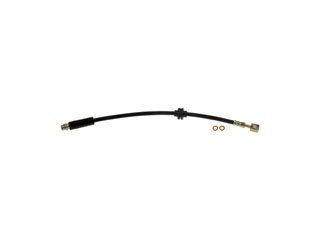
- Good Value (Tier 3): Brands like Sunsong and Dorman provide reliable, DOT-approved hoses that are a great choice for daily driving and budget-conscious repairs. They are known to fit and function like the original parts.
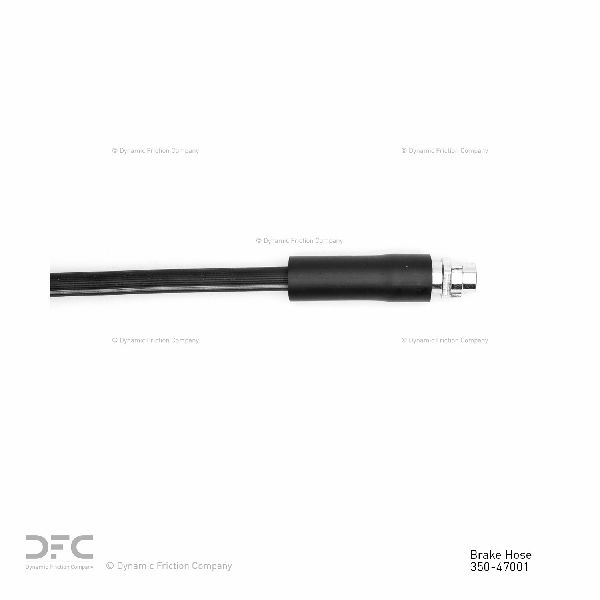
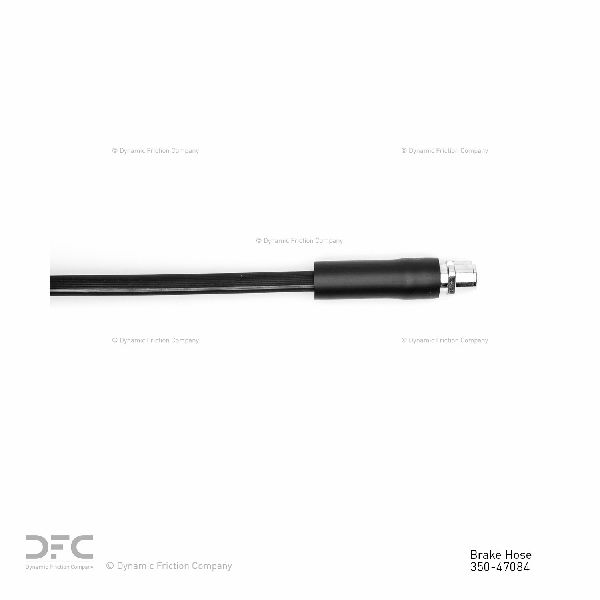
- Better Quality (Tier 2): Centric and Dynamic Friction are well-regarded in the aftermarket for producing quality brake components. They offer excellent performance and durability, often with corrosion-resistant fittings, making them a solid upgrade over basic replacements.
- OEM Quality (Tier 1): The original GM or AC Delco Genuine GM parts are always an option, but aftermarket parts from reputable brands offer comparable quality and safety for a fraction of the price.
Important: The 2011-2017 Buick Regal has several different brake configurations depending on the model year, engine, and trim level (e.g., with or without Brembo calipers). Always verify the part fits your specific vehicle using the VIN or by matching it to your exact sub-model before ordering.
Cost of Replacing Buick Regal Brake Hoses
| Part | Cost Range (Per Hose) |
|---|---|
| New Aftermarket Brake Hose | $22.00 - $58.63 |
| New OEM (AC Delco) Brake Hose | $20.00 - $45.00 |
| Shop Labor (Per Axle) | $100 - $200 |
Frequently Asked Questions
Can I drive with a leaking brake hose?
No. A leaking brake hose can lead to a sudden and complete loss of braking ability. It is extremely dangerous to drive a vehicle with a known brake fluid leak. The vehicle should be towed for repair.
Should I replace all brake hoses at once?
It is highly recommended. Brake hoses are made of the same material and are exposed to the same conditions. If one has failed due to age, the others are likely near the end of their service life. Replacing them in pairs (front or rear) or all four at once is the safest approach.
What is "bleeding the brakes" and is it required?
Yes, it is absolutely required. Whenever the hydraulic system is opened (like when you replace a hose), air gets inside. Bleeding the brakes is the process of forcing that air out of the system. Air in the lines compresses easily, which will result in a spongy pedal and severely reduced braking performance.
My brakes drag when it's hot. Could it be the hose?
It's possible. An internally collapsed hose can act like a one-way valve, trapping brake fluid and keeping the brake applied. However, for 2011-2012 Regals, there is a known issue with the brake pedal assembly binding in high heat, causing the same symptom. If your brakes are dragging, inspect the hoses for damage, but also be aware of this potential pedal issue.
Technical Specifications
OEM Part Numbers: 22888705 84025411 176-1614
Reinforced multi-layer EPDM rubber construction, meets DOT standards. Fittings and brackets vary by position (front/rear) and vehicle options.
We Have This Part in Stock



The information in this article is provided for general reference and educational purposes only. Vehicle specifications, procedures, and part compatibility can vary by production date, trim level, and region. Always consult your vehicle's factory service manual and verify part numbers before purchasing or performing repairs. Safety-critical components such as airbags, seat belts, and braking systems should be installed by a qualified professional.
- Buick Regal: