

A Comprehensive Guide to the 2011-2017 Buick Regal Serpentine Belt
Everything you need to know before replacing the serpentine belt on your 2011-2017 Buick Regal.
- Always inspect the belt tensioner and idler pulleys when replacing the belt; they are common failure points on this vehicle.
- Choose a high-quality aftermarket brand like Gates or Continental; the small cost saving of a budget belt isn't worth the risk.
- Verify your engine (2.0L Turbo or 2.4L) before ordering, as they use different belts.
- Noises like squealing or rattling are the primary warning signs that the belt drive system needs attention.
Is It Time to Replace Your Regal's Serpentine Belt?
There is no strict replacement mileage for a serpentine belt; the best method is visual inspection. Modern belts made of EPDM rubber can last a long time, but you should start checking for wear around 60,000 miles. Look for cracks, fraying, missing ribs, or contamination from oil or coolant. Any of these signs mean it's time for a replacement.
Symptoms of a Failing Serpentine Belt
A worn or failing serpentine belt system will give you clear warning signs. Ignoring them can leave you stranded.
- Squealing or Chirping Noises: This is the most common symptom. It might be worse on cold starts or damp days. While a worn belt can cause this, the noise often points to a failing belt tensioner or a misaligned pulley.
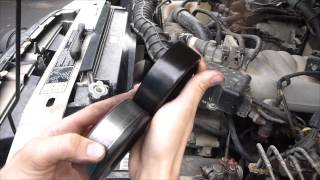
- Rattling or Grinding Sounds: A rattling noise often indicates a problem with the bearings inside the belt tensioner or an idler pulley. On the 2.0L turbo engine, the idler pulley has been known to crack 🎬 Watch: How to easily replace a worn idler pulley and cause noise.
- Visible Wear: Look for cracks, glazing (a shiny surface), fraying along the edges, or pieces of rubber missing from the ribbed section of the belt.
- Accessory Failure: If your power steering becomes heavy, your A/C blows warm air, or your battery light comes on, the belt may have failed completely.
Don't Just Replace the Belt - Check the Pulleys!
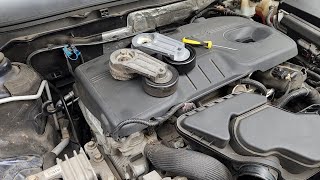
Many noises and belt failures on the 2011-2017 Regal are caused by the belt tensioner or idler pulleys, not the belt itself. Before installing a new belt, spin each pulley by hand (with the old belt off). They should spin smoothly and silently. If you feel any roughness, hear grinding, or see excessive wobble, the pulley or tensioner must be replaced. For higher-mileage vehicles, it is highly recommended to replace the belt, tensioner, and idler pulleys as a kit.
Choosing the Right Aftermarket Serpentine Belt
For a part this critical, brand quality matters. Fortunately, excellent aftermarket options are available that meet or exceed OEM quality. The 2011-2017 Regal used different belts for its 2.0L Turbo and 2.4L engines, so confirming your engine type is the first step.
- Top Tier (Recommended): Brands like Gates and Continental are industry leaders known for reliability. They are the preferred choice of many professional technicians. The Continental Elite series (formerly Goodyear Gatorback) has a unique design specifically to help quiet down drives that are prone to noise.
- OEM-Level Quality: Dayco is another reputable manufacturer and is sometimes the original equipment supplier. They offer a solid balance of quality and price.
Given the labor involved, especially if you need to replace a tensioner, it's not worth saving a few dollars on a budget or store-brand belt. Stick with a name brand to ensure a long-lasting, quiet repair.
Common Ordering Mistakes
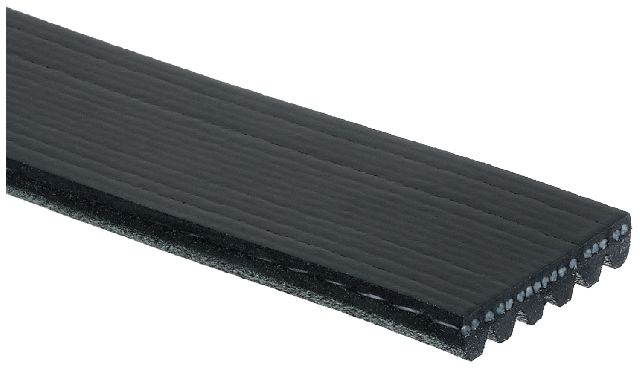
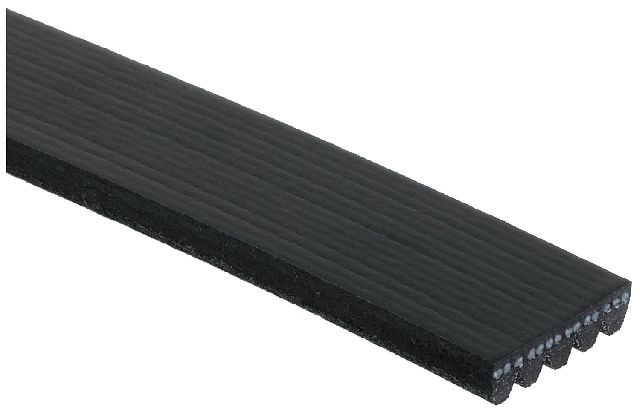
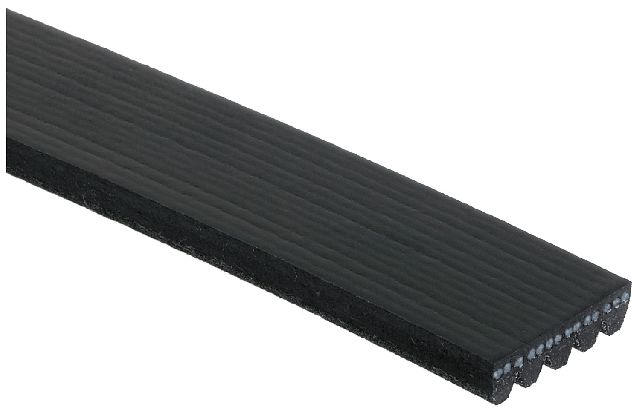
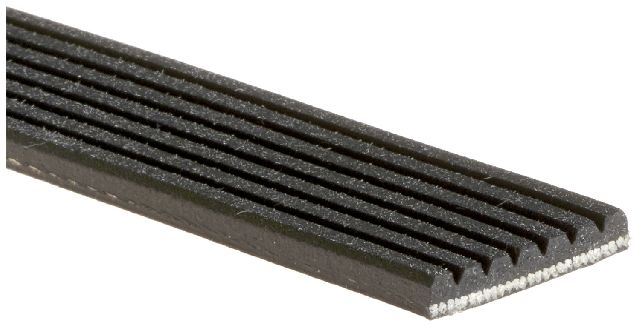
The biggest mistake is ordering the wrong belt for your engine. The 2.0L Turbo and 2.4L engines in the 2011-2017 Regal use different serpentine belts. The 2.4L engine typically uses a 5-rib belt, while the 2.0L Turbo uses a 6-rib belt. Always verify your engine size before ordering to avoid frustration and delays.
| Part/Service | Estimated Cost |
|---|---|
| New Aftermarket Serpentine Belt | $22.43 - $46.59 |
| New OEM Serpentine Belt | $44 - $64 |
| Shop Labor Cost (Belt Only) | $79 - $116 |
| Aftermarket Belt & Tensioner Kit | $65 - $120 |
| Total Professional Replacement | $122 - $179 |
Frequently Asked Questions
Should I replace the tensioner and pulleys with the belt?
It is strongly recommended, especially if your vehicle has over 75,000 miles or if you are replacing the belt due to noise. The bearings in the tensioner and idler pulleys wear out and are a common source of problems. Replacing them with the belt is cost-effective preventative maintenance.
Are there any recalls for the serpentine belt on this Regal?
No. While there are several recalls for the 2011-2017 Buick Regal, none of them are for the accessory serpentine belt or its tensioner. A recall for some 2016 models mentions an "electric belt drive rack and pinion steering gear assembly," but this is part of the power steering system, not the engine's accessory belt.
My new belt is still squeaking. What's wrong?
If a new belt is still noisy, the belt itself is almost never the problem. The most likely causes are a weak or worn-out tensioner that isn't providing enough tension, a misaligned pulley, or fluid (like oil or coolant) that has dripped onto the belt. Re-check the tensioner and all pulleys for wear and alignment.
Is this a difficult job to do myself?
Replacing just the belt is feasible for a DIYer with the right tools. However, access is tight. On the 2.4L engine, replacing the tensioner can be very labor-intensive and may require supporting the engine and removing an engine mount. 🎬 See how to replace the tensioner without removing motor mounts The 2.0L engine also requires removing the passenger side wheel and fender liner for access. Due to these complexities, it's a moderately difficult job.
Helpful Videos
Technical Specifications
OEM Part Numbers: 12634319
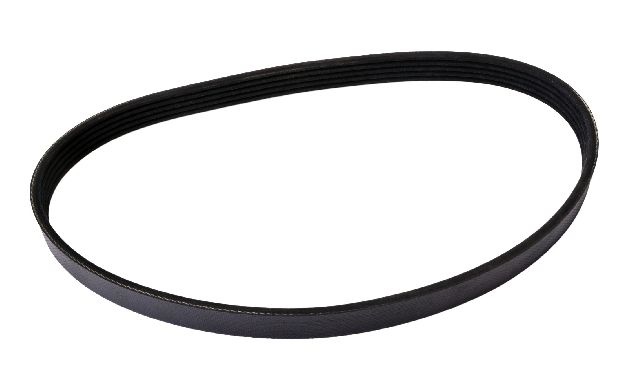
Varies by engine. The 2.4L engine commonly uses a 5-rib belt approximately 1025mm in length (Part type 5PK1025). The 2.0L engine uses a different belt, typically with 6 ribs. Always verify with vehicle's specific engine before purchase.
We Have This Part in Stock

The information in this article is provided for general reference and educational purposes only. Vehicle specifications, procedures, and part compatibility can vary by production date, trim level, and region. Always consult your vehicle's factory service manual and verify part numbers before purchasing or performing repairs. Safety-critical components such as airbags, seat belts, and braking systems should be installed by a qualified professional.
- Buick Regal: