

Chrysler 200 Engine Coolant Temperature Sensor Guide (2011-2017)
Fixing check engine lights and poor performance starts with understanding this critical sensor in your Chrysler 200.
- A bad ECT sensor will almost always trigger a Check Engine Light with codes like P0117, P0118, or P0128.
- For Chrysler vehicles, using an OEM Mopar sensor or a premium aftermarket brand like Delphi or NGK is highly recommended over budget parts.
- The sensor is in a different location on the 2.4L (passenger side) versus the 3.6L engine (driver side).
- If you have a 2015 2.4L model with code P0116, check for a PCM software update (TSB 18-023-16) before replacing the sensor.
Is a Failing Coolant Temperature Sensor a Problem on the Chrysler 200?

A faulty Engine Coolant Temperature (ECT) sensor is a common issue that can cause a range of problems for your 2011-2017 Chrysler 200. When this sensor fails, it sends incorrect information to the engine's computer, leading to noticeable symptoms. The most common sign is a check engine light with codes like P0117, P0118, or P0128. You might also experience poor fuel economy, an engine that runs rough, or a temperature gauge on your dash that gives erratic readings or doesn't move at all. In some cases, the radiator cooling fans may not turn on when they should, putting the engine at risk of overheating.
Vehicle-Specific Issue: TSB for 2015 2.4L Models
For 2015 Chrysler 200 models equipped with the 2.4L engine, Chrysler issued Technical Service Bulletin (TSB) 18-023-16 REV. C. This TSB addresses several diagnostic trouble codes, including P0116 - Engine Coolant Temperature Sensor 1 Performance. The fix involves reprogramming the Powertrain Control Module (PCM) with updated software. If you have this specific model and code, check with a dealer to see if this software update has been performed before replacing parts.
Choosing the Right Aftermarket Sensor

When replacing the ECT sensor, you have a choice between OEM (Mopar) and various aftermarket brands. For critical sensors on Chrysler vehicles, many mechanics and experienced owners recommend using the OEM part to ensure compatibility and longevity.
- Premium Aftermarket (Recommended Alternative): Brands like Delphi and NGK have a strong reputation for quality and are often original equipment suppliers to automakers. These are your best bet if you want to save a little money without sacrificing reliability.
- Standard Aftermarket: Brands such as Dorman, Standard Ignition (SMP), and Walker Products offer direct-fit replacements that are widely available. They are a cost-effective solution, but for a sensor this critical to engine function, spending a bit more for a premium or OEM part can prevent you from having to do the job again sooner than expected.
- Budget Brands: While the low price is tempting, budget-friendly options carry a higher risk of inaccurate readings or premature failure, which could lead you right back to the initial problem.
Installation Location and Tips
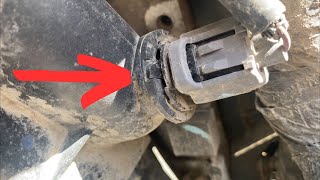
 🎬 Watch: Step-by-step ECT sensor replacement for the 3.6L V6 engine." loading="lazy" style="max-width:100%;height:auto;border-radius:6px;display:block;box-shadow:0 2px 8px rgba(0,0,0,0.1);" />
The replacement is a straightforward job for a DIYer with basic tools. The location depends on your engine. Always work on a cool engine to avoid burns from hot coolant.
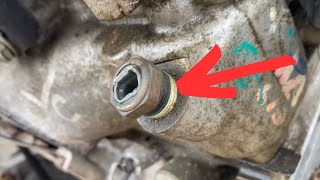
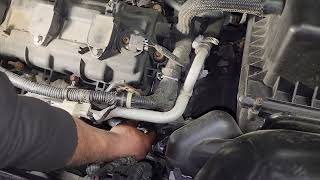
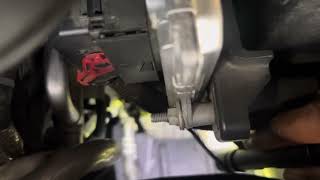
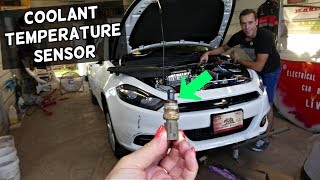
- For the 3.6L V6 Engine: The ECT sensor is located on the front of the engine, on the driver's side. It is threaded into the cylinder head, near the thermostat housing. Access can be improved by removing the lower engine splash shield.
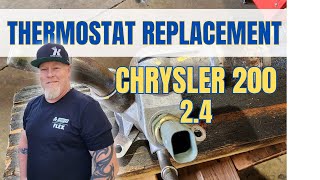
- For the 2.4L 4-Cylinder Engine: You will find the sensor on the right (passenger) side of the engine, installed directly into the thermostat housing. 🎬 See this video for the 2.4L sensor location and replacement.
You'll typically need a 19mm deep socket to remove and install the sensor. While some have replaced the sensor quickly to minimize coolant loss, the recommended procedure is to partially drain the coolant first to avoid a mess.
Cost of Replacing the ECT Sensor

The total cost depends on the part you choose and whether you do the work yourself.
| Cost Category | Estimated Price |
|---|---|
| New OEM (Mopar) Sensor | $40 - $70 |
| New Aftermarket Sensor | $18 - $45 |
| Shop Labor | $80 - $120 |
Frequently Asked Questions
What are the most common check engine codes for a bad ECT sensor?
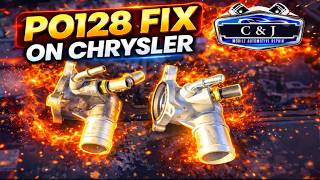
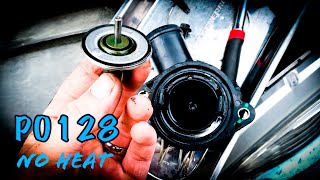
The most frequent codes are P0117 (Sensor Circuit Low), P0118 (Sensor Circuit High), and P0128 (Coolant Temperature Below Thermostat Regulating Temperature). 🎬 Watch: Diagnosing a P0128 code and slow engine warming. A P0116 (Sensor Performance) code may also appear, particularly on 2015 2.4L models.
Can I replace the Chrysler 200 ECT sensor myself?
Yes, this is a very DIY-friendly repair. The sensor is generally easy to access on both the 2.4L and 3.6L engines. You will need basic hand tools, including a deep socket (usually 19mm), and should plan on draining some coolant.
What happens if I don't replace a bad coolant sensor?
Ignoring a bad ECT sensor can lead to persistently poor fuel economy, failed emissions tests, and a rough-running engine. In a worst-case scenario where the sensor fails to trigger the cooling fans, the engine could overheat, leading to severe and expensive damage like a warped cylinder head.
Is an OEM Mopar sensor really better than aftermarket for my Chrysler 200?
For electronic sensors on Chrysler products, using an OEM Mopar part is often recommended for best performance and reliability. While premium aftermarket brands like Delphi are a solid choice, some owners report issues with budget parts that are solved by switching to an OEM sensor.
Helpful Videos

Technical Specifications
OEM Part Numbers: 5149077AB 68164627AA 5033313AA 5033314AA
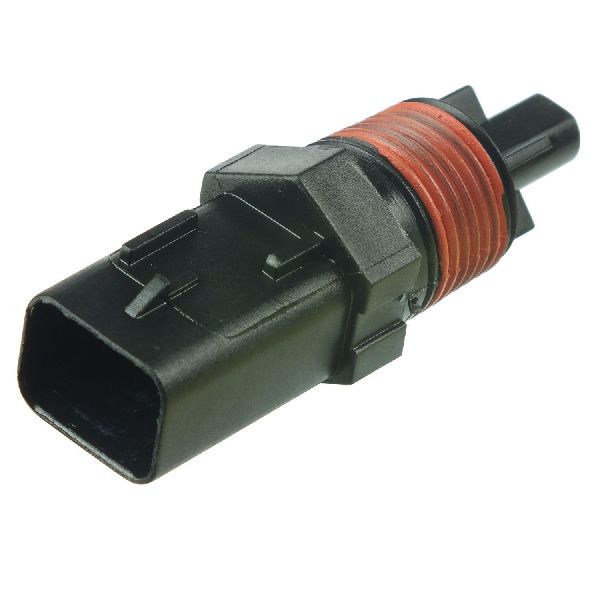
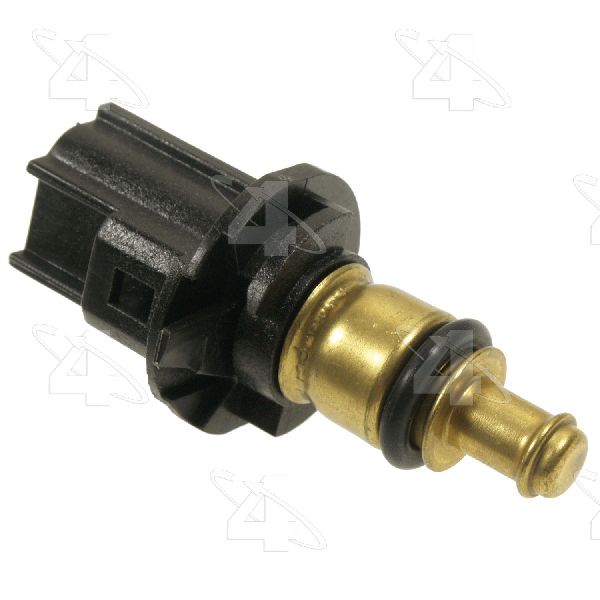
2-pin connector thermistor sensor. Location and specific part number vary by engine (2.4L I4 or 3.6L V6) and model year.
We Have This Part in Stock


The information in this article is provided for general reference and educational purposes only. Vehicle specifications, procedures, and part compatibility can vary by production date, trim level, and region. Always consult your vehicle's factory service manual and verify part numbers before purchasing or performing repairs. Safety-critical components such as airbags, seat belts, and braking systems should be installed by a qualified professional.
- Chrysler 200: