

A Guide to the Engine Oil Pressure Switch on the 2011-2017 Chrysler 200
Understanding why your oil light is on and how to choose the right replacement sensor for your Chrysler 200.
- The replacement procedure is vastly different between the 2.4L (easy) and 3.6L (very difficult) engines.
- On 3.6L V6 models, the sensor is part of the oil cooler housing, which is a notorious failure point for oil leaks.
- Due to the high labor cost for the 3.6L engine, using an OEM Mopar sensor is strongly advised to avoid repeat repairs.
- Always verify the actual engine oil pressure with a mechanical gauge before assuming a major engine problem.
Is Your Oil Light On? What a Failing Sensor Means
A faulty oil pressure switch can cause serious worry. It can make the oil pressure light on your dash turn on, or cause the gauge to show zero or maximum pressure. Often, the problem is just a bad sensor, not a lack of oil pressure. However, you should always treat an oil pressure warning seriously. The most common diagnostic trouble code (DTC) associated with a failing sensor is P0520.
A Critical Issue for the 3.6L V6 Engine
If you have the 3.6L V6 Pentastar engine, pay close attention. The oil pressure sensor is located in the engine valley as part of a larger component called the oil cooler/filter housing assembly. This entire housing is a very common failure point on these engines. It can crack and cause significant oil leaks. When replacing the sensor on a 3.6L engine, it is critical to inspect this housing for any signs of leaks or cracks. Many mechanics recommend replacing the entire housing assembly along with the sensor to prevent future problems, even if it's more expensive upfront.
Choosing the Right Aftermarket Part: Brand Quality Matters
When it's time to replace your oil pressure switch, you have a choice between Original Equipment (OEM) from Mopar and various aftermarket brands. The right choice depends on which engine your Chrysler 200 has.
- For the 3.6L V6 Engine: The replacement is a difficult and time-consuming job that requires removing the upper and lower intake manifolds. Because the labor is so intensive, most mechanics and experienced owners strongly recommend using the OEM Mopar sensor. While more expensive, the Mopar part is trusted to last, and you want to avoid doing this difficult job a second time because of a failed, cheaper aftermarket part.
- For the 2.4L 4-Cylinder Engine: The sensor is much easier to access, located on the back of the engine. Because the labor is simple, using a high-quality aftermarket part can be a smart way to save money. Reputable brands like Standard Ignition (SMP) and Holstein are known to produce reliable sensors. Budget-friendly options are available, but their long-term reliability can be a gamble.
Brand Tiers
Not all aftermarket parts are created equal. Here's a general breakdown:
- Top-Tier Aftermarket: Brands like Standard Ignition and Holstein have a reputation for quality, often manufacturing parts in certified facilities with low failure rates. They are a solid choice, especially for the 2.4L engine.
- OEM: Mopar is the original part. It's the benchmark for quality and fit, and the highly recommended choice for the difficult 3.6L engine replacement.
- Value-Priced Brands: Brands like Global Parts, True Tech, and other store brands offer a lower price point. While tempting, the quality can be inconsistent. These may be suitable for a quick fix on a 2.4L engine, but for the 3.6L, the risk of premature failure often outweighs the initial savings.
How Much Does a New Oil Pressure Switch Cost?
Costs can vary widely based on the part brand and the engine in your Chrysler 200. The biggest factor in the total cost is shop labor, especially for the 3.6L V6.
| Part/Service | Estimated Cost |
|---|---|
| New OEM (Mopar) Part | $55 - $90 |
| New Aftermarket Part | $15 - $90 |
| Shop Labor (2.4L Engine) | $75 - $150 |
| Shop Labor (3.6L Engine) | $350 - $600+ |
Frequently Asked Questions
Where is the oil pressure switch on my Chrysler 200?
On the 2.4L 4-cylinder engine, the sensor is located on the back side of the engine block, making it relatively easy to access from underneath the vehicle. On the 3.6L V6 engine, it is much harder to reach. It's located in the valley between the cylinder heads, under the intake manifolds, and is part of the oil cooler housing.
Can I replace just the sensor on the 3.6L engine?
Yes, you can replace only the sensor. However, the oil cooler housing it screws into is a very common failure point that causes leaks. Since you have to do 95% of the labor just to access the sensor, it is highly recommended to replace the entire oil cooler/filter housing assembly at the same time to prevent having to do the job again.
What happens if I ignore a failing oil pressure switch?
If the sensor is faulty and giving a false low-pressure warning, ignoring it won't harm the engine. The bigger risk is that the sensor could fail to warn you if you have a real, catastrophic loss of oil pressure. Also, a sensor that is leaking oil can eventually lead to low oil levels. It's best to fix the issue to ensure your warning system works correctly.
Was there a recall for this part?
There was a recall (NHTSA #13V552) for some 2013 Chrysler 200 models with the 2.4L engine, but it was for an issue with the engine balance shaft module that could cause a loss of oil pressure, not for the sensor itself. Additionally, Chrysler issued a Technical Service Bulletin (TSB #18-034-14) for the P0520 code on 2013-2014 models, which involved replacing the original sensor with a revised part.
Technical Specifications
OEM Part Numbers: 5149062AA 05149062AA 68003360AA 68258694AA 68145662AA
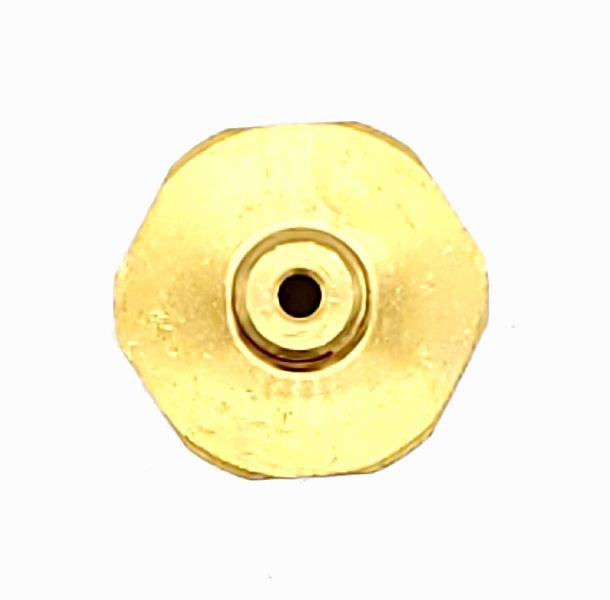
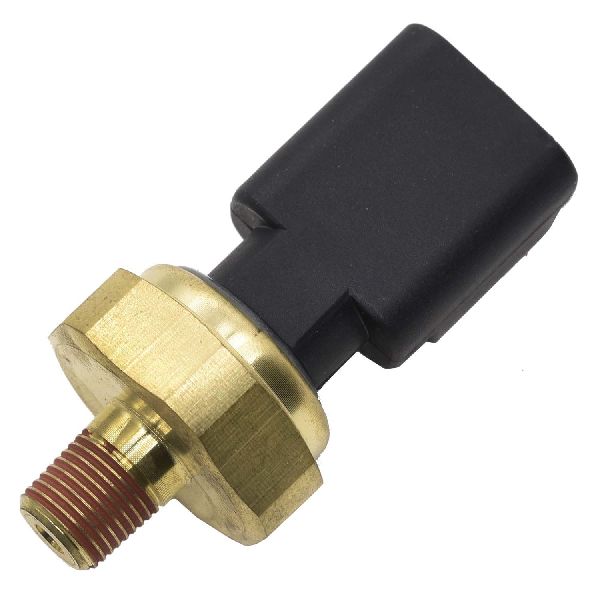
The oil pressure switch on the Chrysler 200 is a 3-pin sensor that provides a variable voltage signal to the PCM, not a simple on/off switch. It is crucial to use a sensor with the correct calibration for your specific engine.
We Have This Part in Stock


The information in this article is provided for general reference and educational purposes only. Vehicle specifications, procedures, and part compatibility can vary by production date, trim level, and region. Always consult your vehicle's factory service manual and verify part numbers before purchasing or performing repairs. Safety-critical components such as airbags, seat belts, and braking systems should be installed by a qualified professional.
- Chrysler 200: