

Chrysler 200 Ignition Coil Guide (2011-2017): A Mechanic's Advice
Fix your Chrysler 200's engine misfires and rough idle by choosing the right replacement ignition coils.
- A flashing check engine light means stop driving to prevent expensive catalytic converter damage.
- For the 3.6L V6, replacing the rear three coils requires removing the intake manifold, a significantly more complex job.
- Always replace spark plugs with ignition coils to ensure longevity and performance.
- On 2.4L engines, check the inexpensive coil boots first, as a TSB indicates they can fail.
Is Your Chrysler 200 Ignition Coil Failing?

When an ignition coil starts to go bad, the signs are hard to miss. Your engine's computer is smart and will usually trigger the Check Engine Light. If the light is flashing, it signals a severe misfire that can quickly damage expensive parts like the catalytic converter, so you should not drive the car. Pay attention to these common symptoms:
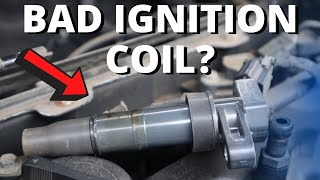
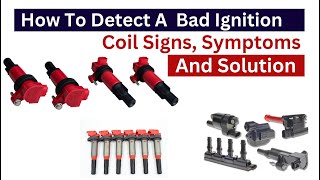
🎬 Watch: A visual guide to bad ignition coil symptoms- Engine Misfires: The engine may sputter, shake, or jerk, especially when you accelerate or idle at a stoplight.
- Rough Idle: Your car might vibrate or shake while stopped, and the RPMs may bounce up and down.
- Loss of Power: Acceleration will feel sluggish, and the car may struggle to get up to speed.
- Worse Gas Mileage: A failing coil leads to inefficient fuel burning, meaning you'll be filling up your tank more often.
- Trouble Starting: The engine may crank for a long time before it finally starts, or it might not start at all.
Known Issue for 2.4L Engines
Chrysler issued a Technical Service Bulletin (TSB #08-027-20) for 2.4L engines experiencing a check engine light. The fix involves replacing the ignition coil boots, not necessarily the entire coil. If you have the 4-cylinder engine, inspect the rubber boots for cracks or damage, as this could be a cheaper fix.
Choosing the Right Aftermarket Ignition Coil

You don't have to buy the expensive Mopar part from the dealer. Many aftermarket brands offer excellent quality, often made by the same companies that supply Chrysler. Here’s how they generally stack up:
- Premium Aftermarket (e.g., NGK, Delphi): These brands are often Original Equipment (OE) suppliers to many car manufacturers. They are engineered to meet or exceed factory specifications and are known for their reliability and durability. For peace of mind, these are a top choice.
- Quality Aftermarket (e.g., Bosch, Standard Ignition, Hitachi): These are well-respected brands in the auto repair world. They provide a solid balance of quality and price, offering reliable performance for daily driving.
- Value-Oriented Brands (e.g., DriveWire, True Tech, Global Parts): These brands offer a cost-effective solution to get your car back on the road. While they may not have the same long-term track record as premium brands, they can be a good option for those on a tight budget.
Mechanic's Advice
It is strongly recommended to replace your spark plugs at the same time you replace your ignition coils. Worn spark plugs can strain the new coils, causing them to fail prematurely. Also, if one coil has failed on a higher-mileage vehicle, the others are often not far behind. Replacing them all at once can save you from doing the same job again in a few months.
Cost of Replacing Chrysler 200 Ignition Coils
| Part Type | Price Range (Per Coil) | Notes |
|---|---|---|
| New OEM (Mopar) | $70 - $160 | Dealer pricing, highest cost. |
| New Aftermarket | $28 - $153 | Wide range from value to premium brands. |
| Shop Labor | $100 - $350 | Higher end of the range is for the V6 engine, which requires removing the intake manifold to access the rear coils. |
Frequently Asked Questions (FAQ)

Do I have to replace all ignition coils at once?
You don't have to, but it's often a good idea, especially if your car has over 80,000 miles. Ignition coils are wear-and-tear items that tend to have similar lifespans. If one has failed, the others may be close to failing as well. Replacing them all at once saves you from future repeat repairs.
Is this a difficult DIY job?
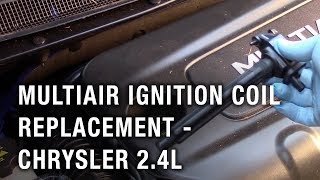
It depends on your engine. For the 2.4L 4-cylinder, it's an easy job. 🎬 See this walkthrough for replacing 2.4L Multiair ignition coils The coils are right on top of the engine and held by a single bolt each. For the 3.6L V6, the three front coils are just as easy, but the three rear coils are hidden under the upper intake manifold. Replacing the rear coils is a more involved job that requires removing the manifold, which can be challenging for a beginner.
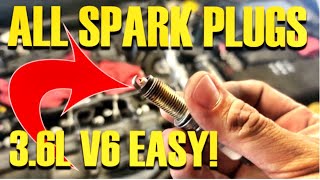
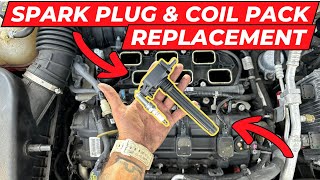
🎬 Watch: How to replace V6 coils and spark plugsWhat are the OBD-II codes for a bad ignition coil?
A general misfire code is P0300. Specific cylinder misfire codes range from P0301 (Cylinder 1) to P0306 (Cylinder 6). The code tells you which cylinder is having the problem, so you can identify the exact coil that needs attention.
What is the difference between an ignition coil and an ignition switch?
They are completely different parts. The ignition coil creates the spark for the engine to run. The ignition switch is the part you turn your key in (or the button you push) to start the car. There was a recall on some Chrysler ignition *switches* that could cause the car to shut off while driving, but this is unrelated to ignition coil failure.
Helpful Videos
Technical Specifications
OEM Part Numbers: 5149168AH 5149168AI 68242286AA 68242286AB 68080580AB
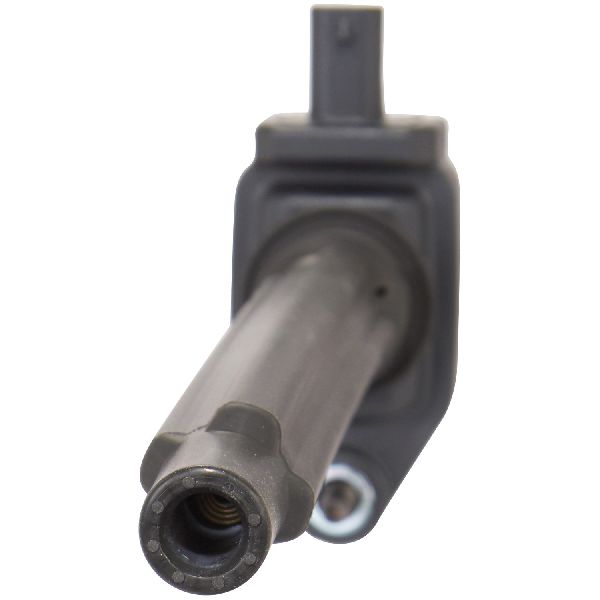
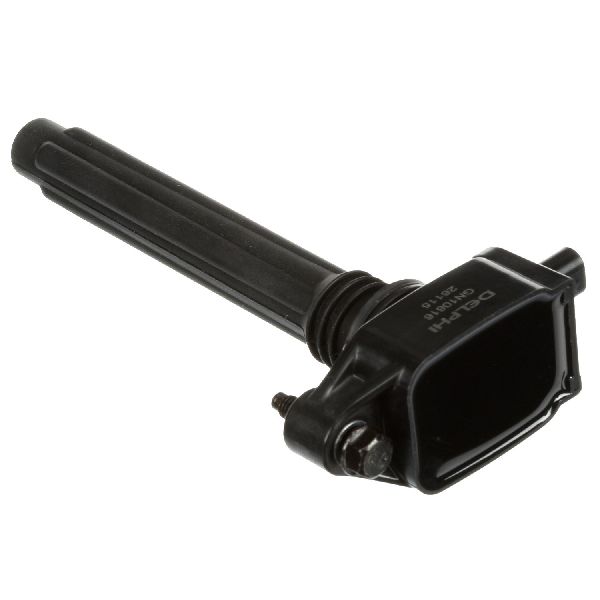
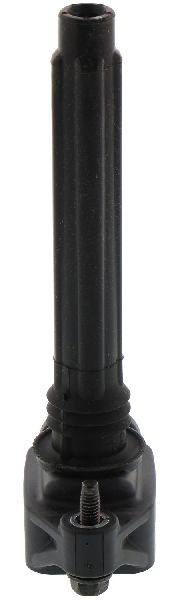
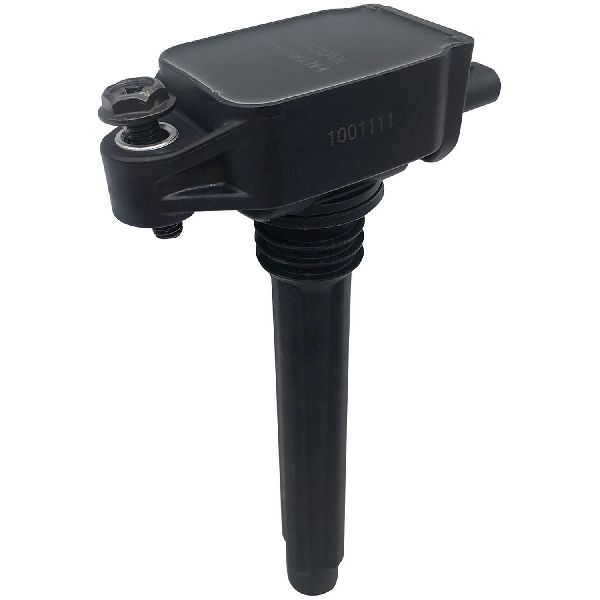
Coil Type: Coil-on-Plug (COP), distributorless ignition. One coil is used per cylinder.
We Have This Part in Stock


The information in this article is provided for general reference and educational purposes only. Vehicle specifications, procedures, and part compatibility can vary by production date, trim level, and region. Always consult your vehicle's factory service manual and verify part numbers before purchasing or performing repairs. Safety-critical components such as airbags, seat belts, and braking systems should be installed by a qualified professional.
- Chrysler 200: