

A Deep Dive into the 2011-2017 Chrysler 200 Steering Tie Rod End
Fix your Chrysler 200's wandering steering, clunking noises, and uneven tire wear by understanding and choosing the right replacement tie rod ends.
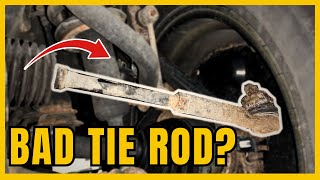
- A bad tie rod end on a Chrysler 200 will cause symptoms like clunking noises, a loose steering wheel, and uneven tire wear.
- It is not safe to drive with a failing tie rod end, as a complete failure can cause a loss of steering control.
- Replacing tie rod ends in pairs is highly recommended for balanced steering and to avoid a repeat repair job.
- A professional wheel alignment is mandatory after replacing any tie rod end to ensure vehicle safety and prevent tire damage.
Is Your Chrysler 200's Steering Feeling Off? It Could Be the Tie Rod Ends
If you're noticing that your 2011-2017 Chrysler 200 isn't handling as crisply as it used to, the tie rod ends could be the culprit. These parts wear out over time from normal use and hitting bumps or potholes. When they fail, the connection between your steering wheel and the road becomes loose, leading to several noticeable and potentially dangerous symptoms.
🎬 Watch: 5 common signs of a failing tie rodTop 5 Symptoms of a Bad Tie Rod End
- Loose or Vibrating Steering Wheel: You might feel extra play or a shaky vibration in the steering wheel. This often gets worse as you speed up or go around a corner.
- Clunking or Knocking Noises: A common sign is a clunking or rattling sound coming from the front of the car, especially when turning at low speeds or driving over bumps. 🎬 See what a Chrysler 200 front end clunk sounds like
- Uneven Tire Wear: Check your front tires. A worn tie rod end will knock the alignment out of spec, causing the inside or outside edges of the tires to wear down much faster than the rest of the tread.
- Vehicle Wandering or Pulling: The car may feel like it's wandering on the road, forcing you to make constant small corrections to the steering wheel to drive straight. A Reddit user with a 2011 Chrysler 200 described having to hold the wheel significantly to one side just to drive straight after a minor collision damaged the passenger side suspension.
- Poor Alignment: If your alignment is off, a bad tie rod end is a likely cause. The loose joint makes it impossible for an alignment technician to set the toe angle correctly.
Known Issues for the 2011-2017 Chrysler 200
While there are no specific recalls for tie rod ends on this vehicle, there are two related steering safety recalls to be aware of:
- NHTSA Recall 11V315000: Affects some 2011 models. Steering column pivot rivets may have been installed incorrectly, which could compromise steering control in a crash.
- NHTSA Recall 16V589: Affects a small number of 2016 models. Certain chassis fasteners may not have been torqued correctly, potentially reducing handling and steering ability.
These are not tie rod failures, but they highlight the importance of a properly maintained steering system. No specific Technical Service Bulletins (TSBs) for a pattern of tie rod failures were found.
Choosing the Right Aftermarket Tie Rod End
When replacing your tie rod ends, you'll find many aftermarket brands. They generally fall into three quality tiers. For a critical steering component, investing in a better part often pays off in longevity and performance.
Premium / Problem-Solver Brands ($45 - $74)
These brands often aim to meet or exceed OEM quality, sometimes with improved designs like greaseable fittings for longer life. They are the best choice for owners who plan to keep their car for a long time.
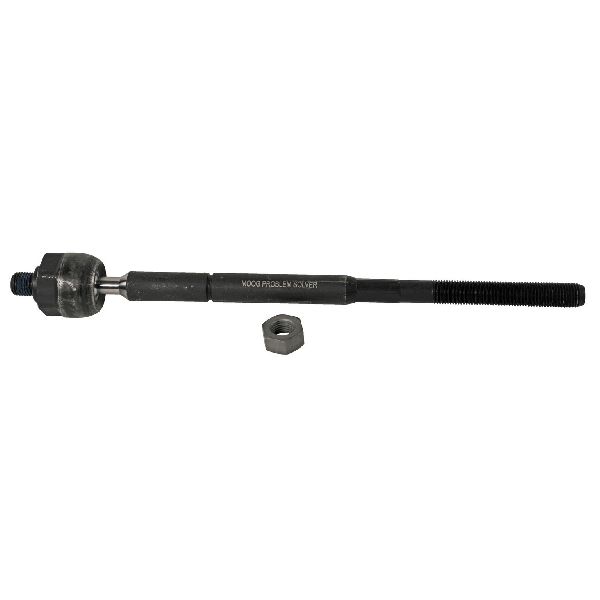
- Moog: Historically a top choice with its "Problem Solver" line, known for features like greaseable sockets and stronger construction. However, recent opinions are mixed, with some mechanics noting a decline in quality.
- Mevotech: A strong competitor to Moog, offering lines like "Supreme" and "TTX" that are generally well-regarded and may feature metal-to-metal designs.
- Delphi: As a major OEM supplier, Delphi's aftermarket parts are known for their quality and precise fit, closely matching the original parts.
- ACDelco (Professional/Gold): Another trusted OEM supplier, their premium lines are considered a reliable, high-quality option.
Standard Quality Brands ($30 - $45)
These brands offer a good balance of price and quality, making them a solid choice for daily drivers and budget-conscious repairs. They should perform similarly to the original factory parts.
- Crown Automotive: Specializes in Chrysler, Jeep, and Dodge parts, positioning itself as an OEM-equivalent replacement.
- Dorman: Known for providing a wide range of parts, often with design improvements over the original. Quality is generally reliable.
- Suspensia: A standard aftermarket brand offering reliable replacement parts.
Economy Brands ($24 - $30)
These are the most budget-friendly options. They will get the job done but may use less robust materials, potentially leading to a shorter lifespan compared to premium brands.
- QuickSteer: Often considered a budget-friendly brand for standard repairs.
- Other private label store brands: These offer the lowest initial cost but may be a gamble on longevity.
Pro Tip: It is highly recommended to replace outer tie rod ends in pairs. If one has failed due to age and mileage, the other side is likely not far behind. This also ensures even steering response and handling.
Replacement Cost for 2011-2017 Chrysler 200 Tie Rod Ends
| Part Type | Part Cost (Single) | Shop Labor Cost | Required Service |
|---|---|---|---|
| New Aftermarket Outer Tie Rod End | $24.29 - $73.45 | $80 - $150 | Wheel Alignment ($100 - $200) |
| New OEM Outer Tie Rod End | $45 - $85 | $80 - $150 |
Note: Costs are estimates. Labor costs can vary by location. A full four-wheel alignment is mandatory after replacing tie rod ends to ensure safety and prevent rapid tire wear.
Frequently Asked Questions
Do I absolutely need an alignment after replacing a tie rod end?
Yes. It is impossible to install a new tie rod end in the exact same position as the old one. Even counting the threads will only get you close. Skipping the alignment will cause unsafe handling and will destroy your front tires in a very short time. This is a required final step for this repair.
Can I replace just one tie rod end?
While you can, it's best practice to replace them in pairs (both outer tie rods at the same time). They wear at similar rates, so if one is bad, the other is likely worn as well. Replacing both ensures balanced steering and saves you from having to do the job—and pay for another alignment—again soon.
What's the difference between an inner and an outer tie rod end?
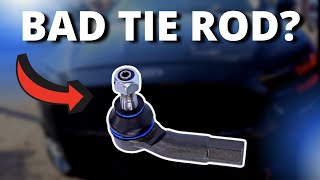
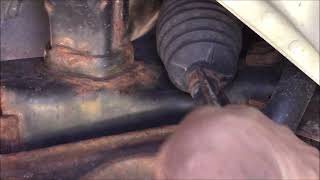
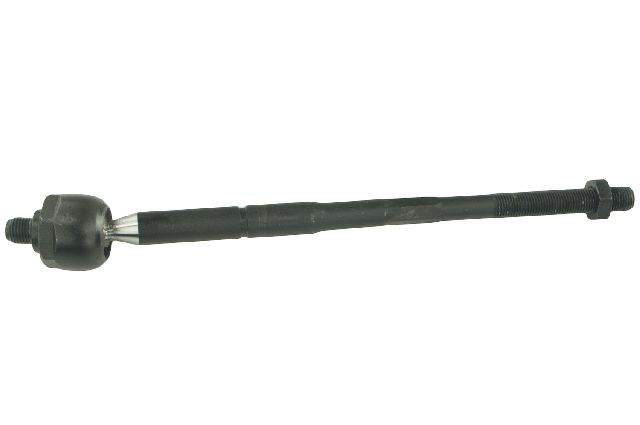
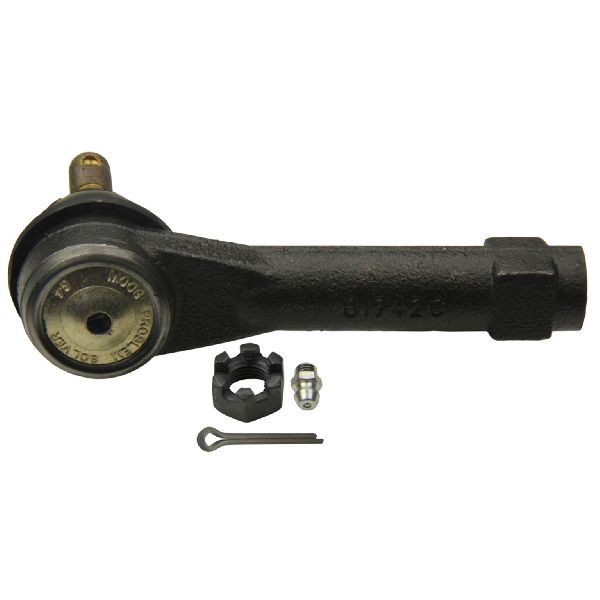
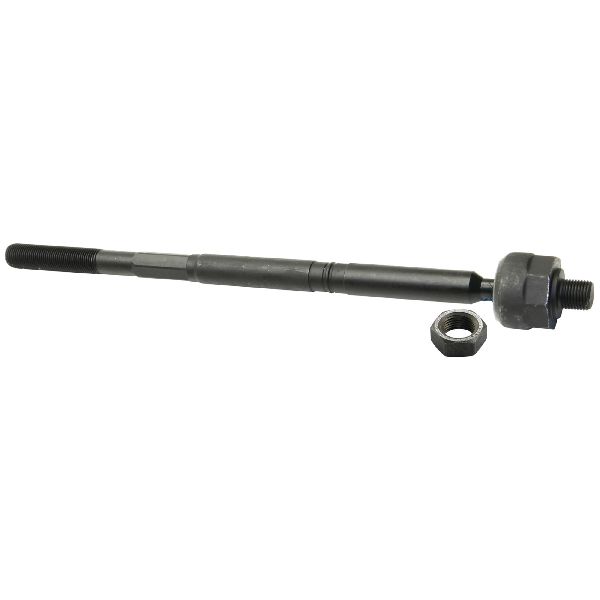
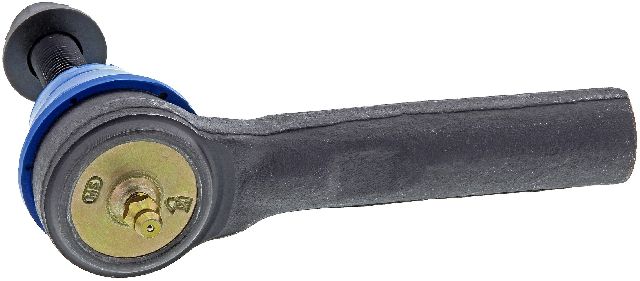
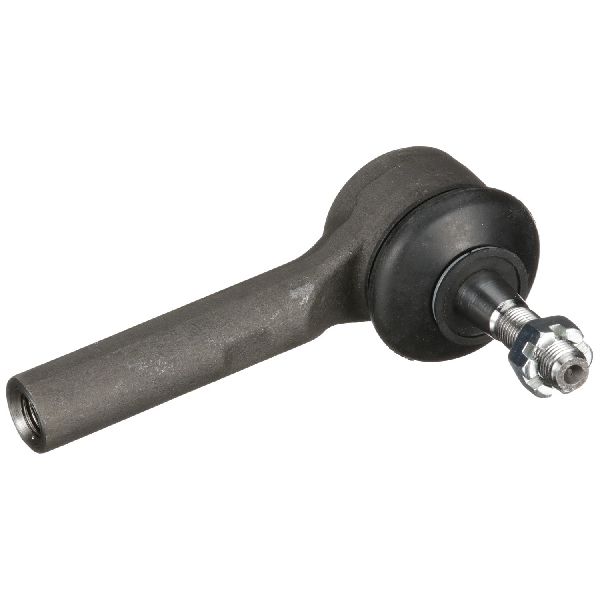
The outer tie rod end connects to the steering knuckle at the wheel. The inner tie rod end connects to the steering rack, hidden under a protective rubber boot. Outer tie rods typically wear out more frequently. Replacing an inner tie rod is a more involved job that requires a special tool.
Is it safe to drive with a bad tie rod end?
No. A worn tie rod end is a serious safety risk. If the joint separates completely, you will lose steering control of that wheel, which could easily cause a crash. If you suspect a bad tie rod, you should have it inspected and repaired as soon as possible.
Helpful Videos

Technical Specifications
OEM Part Numbers: 5183761AB
The Chrysler 200 uses a rack and pinion steering system with one inner and one outer tie rod end per side. The outer tie rod connects to the steering knuckle via a tapered ball stud, secured with a castle nut and often a cotter pin.
We Have This Part in Stock

The information in this article is provided for general reference and educational purposes only. Vehicle specifications, procedures, and part compatibility can vary by production date, trim level, and region. Always consult your vehicle's factory service manual and verify part numbers before purchasing or performing repairs. Safety-critical components such as airbags, seat belts, and braking systems should be installed by a qualified professional.
- Chrysler 200:
- 🎬 Helpful Videos
- 🛍️ Shop This Part
- Is Your Chrysler 200's Steering Feeling Off? It Could Be the Tie Rod Ends
- Top 5 Symptoms of a Bad Tie Rod End
- Known Issues for the 2011-2017 Chrysler 200
- Choosing the Right Aftermarket Tie Rod End
- Premium / Problem-Solver Brands ($45 - $74)
- Standard Quality Brands ($30 - $45)
- Economy Brands ($24 - $30)
- Replacement Cost for 2011-2017 Chrysler 200 Tie Rod Ends
- Frequently Asked Questions
- 🎟️ Get 5% Off