

Chrysler 200 Suspension Stabilizer Bar Link Guide (2011-2017)
Hearing a clunking or rattling noise from your front suspension? It might be time to replace your stabilizer bar links.
- A clunking noise over bumps is the primary sign of a failing stabilizer link on the Chrysler 200.
- Always buy parts specific to your year range (2011-2014 or 2015-2017) as they are not interchangeable.
- Replacement is a manageable DIY task, but be prepared for rusted bolts that may require a hex key to hold the stud or cutting.
- For balanced handling and safety, always replace stabilizer links in pairs.
Is My Chrysler 200 Stabilizer Link Failing?
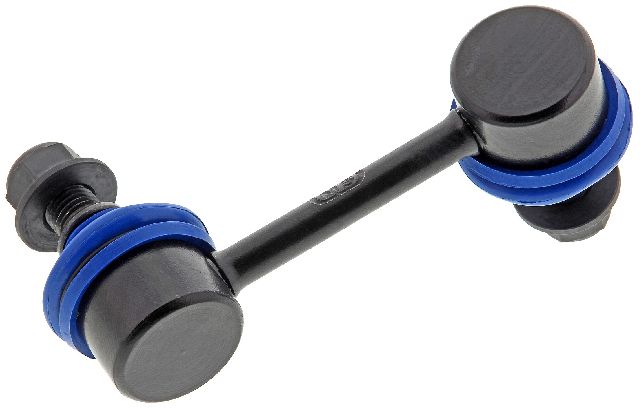
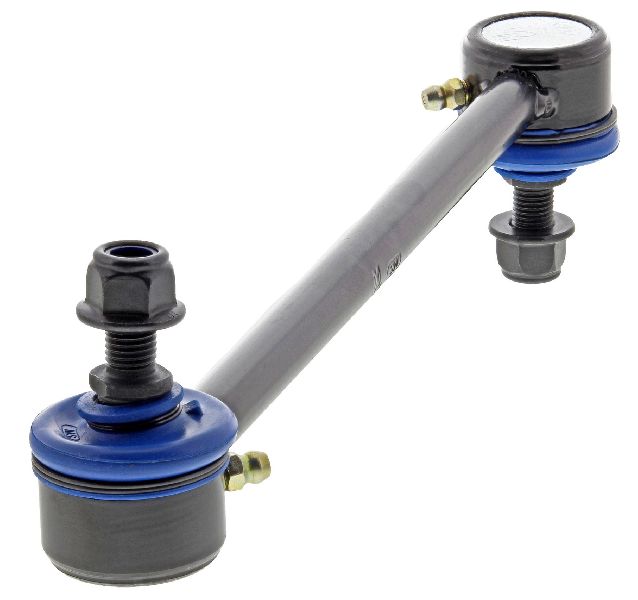
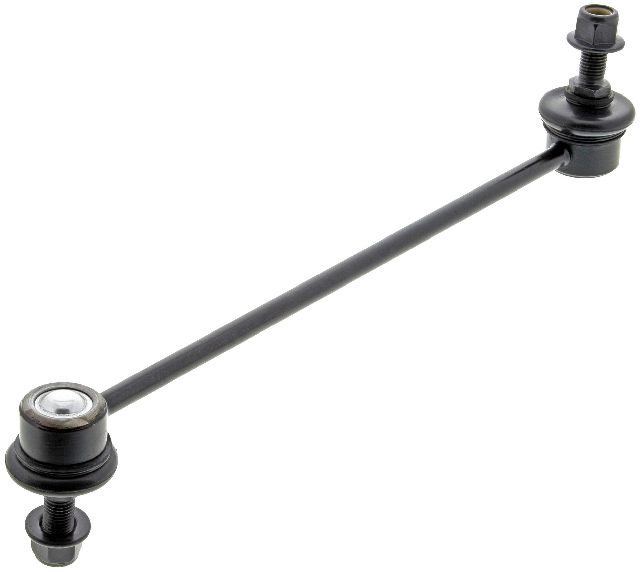
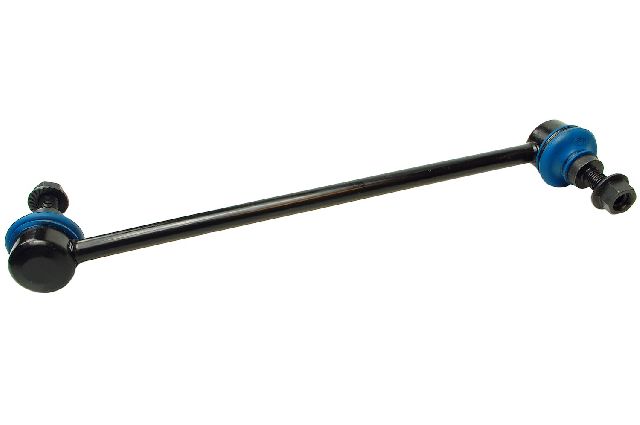
A worn-out stabilizer bar link is one of the most common sources of suspension noise on the 2011-2017 Chrysler 200. The main job of these links is to keep your car stable during turns. When the joints inside the link wear down, they become loose and create a distinct noise as the suspension moves up and down.
The most reported symptom is a clunking, rattling, or knocking sound coming from the front end, especially when driving over bumps 🎬 Watch: Hear the clunking sound and see the fix., uneven roads, or speed bumps. This noise might start quietly but can become louder as the part wears further. In some cases, you might also notice excessive body roll or a feeling of looseness in the steering when cornering.
Known Issues, Recalls, and Service Bulletins
While there are no specific recalls or Technical Service Bulletins (TSBs) for the stabilizer bar links on the 2011-2017 Chrysler 200, front-end suspension noise is a widely discussed issue among owners. Many owners have traced these clunking sounds back to worn stabilizer links. There was a recall (NHTSA ID: P37) for the 2015 Chrysler 200 concerning rear shock absorber welds, but this did not involve the stabilizer links.
Generation and Part Differences
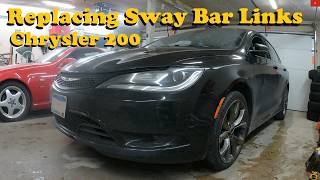
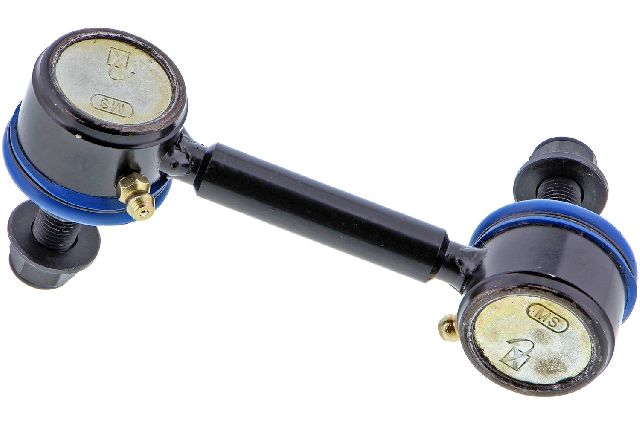
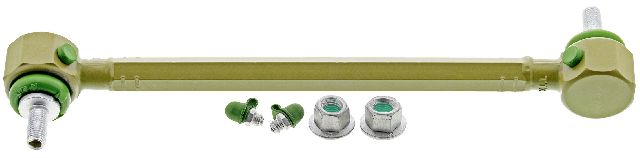
The Chrysler 200 had two generations in this period: 2011-2014 and 2015-2017. These two generations use different stabilizer bar links. It is crucial to order the correct part for your specific model year to ensure proper fit and function. 🎬 See this replacement walkthrough for the 2015-2017 generation. Always verify the part fitment before purchasing.
Choosing the Right Aftermarket Stabilizer Link
When replacing your stabilizer links, you have a choice between OEM (Mopar) and various aftermarket brands. For a component like this, many aftermarket options offer excellent quality, sometimes even improving on the original design. Aftermarket brands often come in different quality tiers.
- Premium Brands (e.g., Delphi, Moog): These brands are known for high-quality components that often meet or exceed original equipment (OE) standards. Moog is well-regarded for its "Problem Solver" designs that can offer longer life and easier installation, while Delphi is a trusted OE supplier known for durability. Some premium links are greaseable, which allows you to flush out contaminants and extend the part's life.
- Standard/Value Brands (e.g., Dorman, Mevotech): These brands provide a good balance of quality and affordability for daily driving. Dorman is known for making direct-fit replacement parts, while Mevotech also offers a range of reliable suspension components. They are a cost-effective choice for drivers looking for a solid repair without the premium price tag.
- Performance Brands (e.g., Whiteline, Nolathane): These brands focus on enhanced handling and durability, often using polyurethane bushings and heavy-duty materials. They are a great option if you have lowered your vehicle or are looking for a sportier feel. Some even offer adjustable links to correct sway bar geometry on modified suspensions.
Replacement Cost
The cost to replace stabilizer bar links can vary based on your location and whether you do the work yourself or hire a professional. It's highly recommended to replace them in pairs (both front or both rear) to ensure even handling.
| Part/Service | Estimated Cost |
|---|---|
| New Aftermarket Kit (Pair) | $31.00 - $145.50 |
| Shop Labor | $49 - $72 |
| Total Professional Replacement | $94 - $145 |
DIY Installation Tip
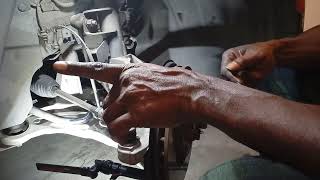
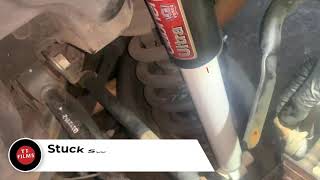
Replacing stabilizer links is a feasible DIY job for those with basic tools. The most common issue during removal is the center stud spinning when you try 🎬 Watch: How to remove a link that just keeps spinning. to loosen the nut. You will likely need a hex key (often 5mm) or Allen wrench to hold the stud while you turn the nut with a wrench (usually 15mm). If the stud is too rusted, you may need to cut the old link off with an angle grinder. When installing the new link, you might need to use a jack under the control arm to align the bolt holes.
Frequently Asked Questions (FAQ)
Can I drive with a bad stabilizer link?
Yes, but it's not recommended for long. While the car is still drivable, a broken link will cause excessive body roll during turns and can affect handling, especially in emergency maneuvers. The noise is also a significant annoyance.
Should I replace stabilizer links in pairs?
Yes. It is always best practice to replace suspension components like stabilizer links in pairs (both front or both rear). This ensures that your vehicle's handling remains balanced and predictable from side to side.
What tools are needed to replace a Chrysler 200 stabilizer link?
You will typically need a jack and jack stands, a lug wrench, a ratchet with sockets (15mm, 16mm, or 17mm depending on the part), a wrench, and a hex key/Allen wrench (usually 5mm or 3/16"). In cases of heavy rust, a rust penetrant spray and possibly an angle grinder may be necessary.
What does a bad sway bar link sound like on a Chrysler 200?
The most common sound is a clunking or rattling noise from the front or rear suspension. This sound is most noticeable when driving at lower speeds over bumps, potholes, or uneven surfaces. Some owners describe it as a sound like something is loose in the front end.
Helpful Videos
Technical Specifications
OEM Part Numbers: 5174185AC
The 2011-2014 and 2015-2017 models use different front and rear links. The original links use a 15mm nut and often require a 5mm hex key to prevent the stud from spinning during removal. Torque specifications for new nuts are typically around 35 ft-lbs.
We Have This Part in Stock

The information in this article is provided for general reference and educational purposes only. Vehicle specifications, procedures, and part compatibility can vary by production date, trim level, and region. Always consult your vehicle's factory service manual and verify part numbers before purchasing or performing repairs. Safety-critical components such as airbags, seat belts, and braking systems should be installed by a qualified professional.
- Chrysler 200: