

Dodge Durango Manifold Absolute Pressure (MAP) Sensor Guide for 2011-2017 Models
Understand the signs of a failing MAP sensor in your Durango and how to choose the right replacement part.
- A failing MAP sensor on a 2011-2017 Durango will cause a Check Engine Light, poor fuel economy, and rough running.
- Replacement is a simple, DIY-friendly job that takes less than 30 minutes for both V6 and V8 engines.
- Common fault codes are P0106, P0107, and P0108.
- Choosing a premium aftermarket brand like Delphi or Standard Ignition offers a good balance of quality and price compared to OEM Mopar parts.
Is Your Durango's MAP Sensor Failing?

A faulty Manifold Absolute Pressure (MAP) sensor can cause a range of noticeable problems in your 2011-2017 Dodge Durango. Because this sensor directly affects the air-fuel mixture and ignition timing, a bad sensor can make your vehicle run poorly. Ignoring the symptoms can lead to reduced fuel economy, poor performance, and potentially damage other expensive components like the catalytic converter.
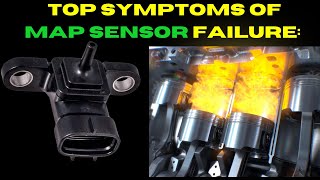
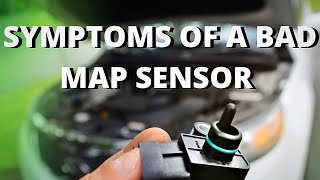
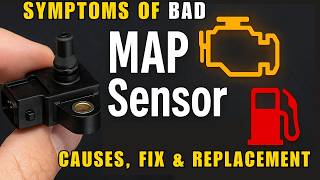
Critical Symptoms of a Bad MAP Sensor
- Check Engine Light: This is often the first and most obvious sign. Common trouble codes include P0106, P0107, and P0108.
- Poor Fuel Economy: If the sensor sends incorrect data, the engine may use more fuel than necessary.
- Rough Idle: The engine may shake, vibrate, or struggle to maintain a steady RPM at a stop.
- Hesitation or Stalling: You might notice a delay in acceleration, or the engine may stumble or die completely.
- Black Smoke from Exhaust: This indicates a rich fuel mixture (too much fuel), which can be caused by a faulty MAP sensor reading.
OEM vs. Aftermarket MAP Sensors

When replacing the MAP sensor on your Durango, you have two main choices: OEM (Original Equipment Manufacturer) from Mopar or an aftermarket brand. For a simple but critical sensor like this, quality is important. An OEM Mopar sensor is a guaranteed fit and is made to the original factory specifications. However, they are also the most expensive option.
High-quality aftermarket brands can offer similar performance and reliability for a lower price. The key is to choose a reputable brand. For a component this critical to engine performance, it is often best to avoid the absolute cheapest options and select a brand with a known history of quality in engine management parts.
Choosing the Right Aftermarket Brand
Not all aftermarket parts are created equal. Here’s a breakdown of the available brands to help you decide:
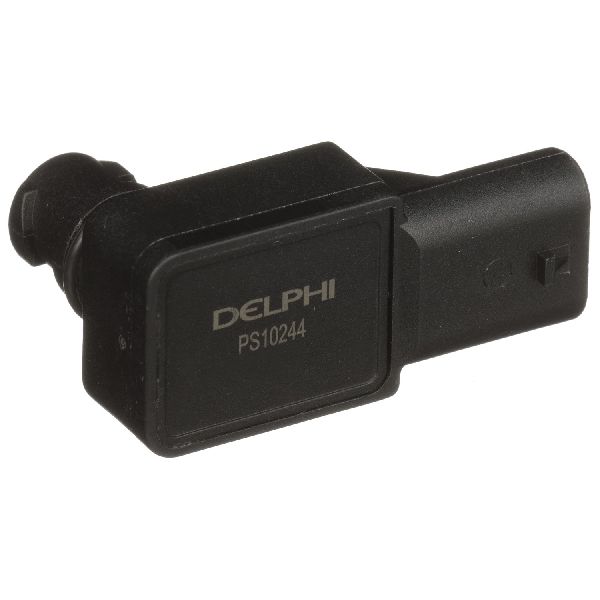
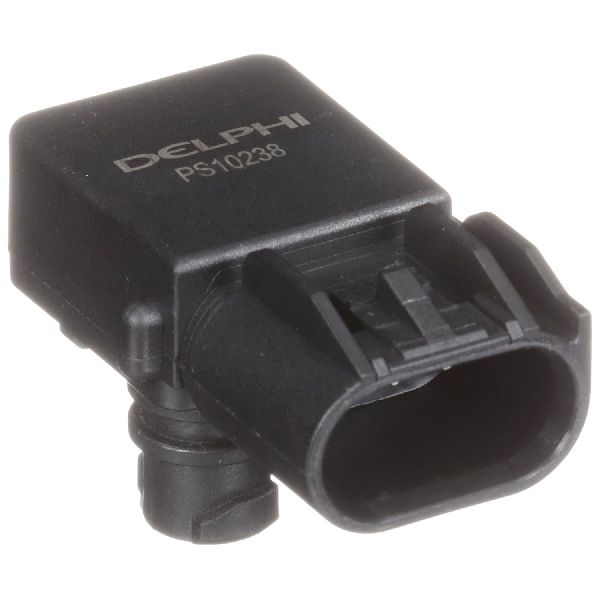
- Premium Aftermarket (OEM-Equivalent): Brands like Delphi, NGK/NTK, and Standard Motor Products (SMP) have strong reputations for producing high-quality sensors that meet or exceed OEM standards. Delphi, for example, highlights its OE heritage and robust construction. These are excellent choices if you want near-OEM quality without the OEM price tag.
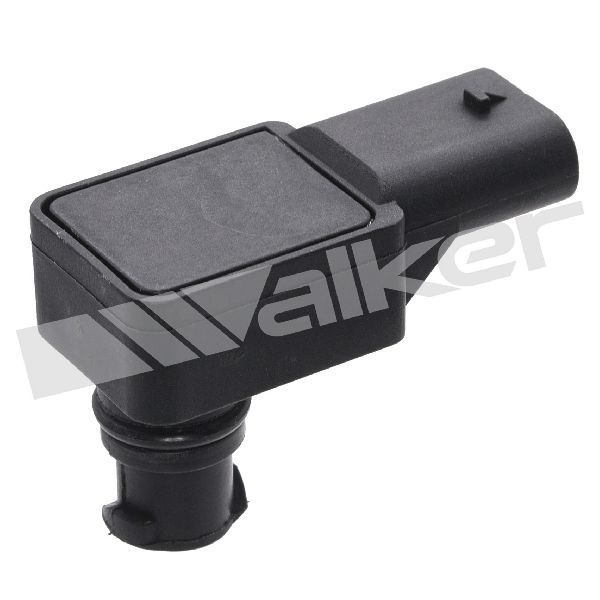
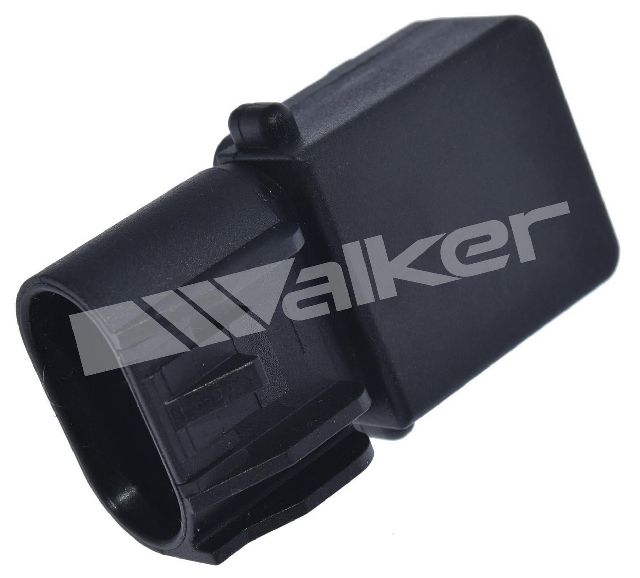
- Standard Aftermarket: Brands such as Walker Products and Holstein offer reliable, direct-fit replacements. They are a good balance of price and quality for the average Durango owner, engineered to function correctly in the harsh under-hood environment.
- Economy/Specialty Aftermarket: Crown Automotive is well-known for Jeep replacement parts but also covers Dodge vehicles. While they offer OE-fit parts and can be a good value, they are sometimes perceived as more of a budget-friendly option compared to premium brands. For a critical sensor, weighing the cost savings against the reputation of premium brands is wise.
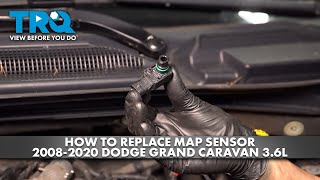
How to Replace the MAP Sensor on a 2011-2017 Durango

Replacing the MAP sensor is a straightforward job that most DIYers can complete in under 30 minutes with basic tools. The sensor is located on the top of the intake manifold, making it easy to access.
For the 5.7L V8 Hemi:
- Remove the plastic engine cover.
- Locate the MAP sensor on the front of the intake manifold.
- Disconnect the electrical connector. There is often a small locking tab that needs to be released first.
- Twist the sensor counter-clockwise to unlock it from the manifold.
- Pull the sensor straight out.
- Installation is the reverse of removal. Ensure the new sensor's O-ring is seated properly.
For the 3.6L V6 Pentastar:
- The sensor is typically located on the rear side of the intake manifold.
- Disconnect the electrical connector.
- Remove the single bolt (often a Torx or small hex bolt) holding the sensor in place.
- Gently twist and pull the sensor out.
- Install the new sensor, making sure the O-ring is properly sealed, and reinstall the bolt.
| Part Type | Estimated Cost |
|---|---|
| New OEM (Mopar) | $60 - $117 |
| New Aftermarket | $26 - $52 |
| Shop Labor | $50 - $100 |
Frequently Asked Questions
Where is the MAP sensor located on my 2011-2017 Durango?
On the 5.7L Hemi V8, the MAP sensor is on the front of the intake manifold, near the top of the engine. On the 3.6L Pentastar V6, it is usually found on the rear side of the intake manifold. It is a small black plastic sensor with an electrical connector.
Can I clean my MAP sensor instead of replacing it?
While some people attempt to clean MAP sensors with an appropriate electronic or sensor cleaner, it is often not a permanent solution. The internal electronics can fail in ways that cleaning cannot fix. Given the relatively low cost of a new aftermarket sensor and the importance of its function, replacement is the most reliable repair.
Do I need to disconnect the battery or reset the computer after replacement?
It is always a good practice to disconnect the negative battery terminal before working on any electronic component. After replacing the sensor and reconnecting the battery, the check engine light should turn off on its own after a few drive cycles. You can also use an OBD2 scanner to clear the codes immediately after the repair.
Are there any recalls for the MAP sensor on the Dodge Durango?
As of early 2026, there are no specific recalls for the MAP sensor on the 2011-2017 Dodge Durango. However, there have been Technical Service Bulletins (TSBs) for related powertrain control module (PCM) software updates that can address certain engine performance issues and fault codes. It's always wise to ensure your vehicle's software is up to date.
Helpful Videos
Technical Specifications
OEM Part Numbers: 68199324AB 68199324AA 5149091AA 5033310AC 5149174AB 68371847AB
The MAP sensor for the 2011-2017 Dodge Durango is typically a 3-prong, blade-style electronic sensor that mounts directly to the intake manifold with an O-ring seal. It operates on a 5-volt reference signal from the PCM.
We Have This Part in Stock


The information in this article is provided for general reference and educational purposes only. Vehicle specifications, procedures, and part compatibility can vary by production date, trim level, and region. Always consult your vehicle's factory service manual and verify part numbers before purchasing or performing repairs. Safety-critical components such as airbags, seat belts, and braking systems should be installed by a qualified professional.
- Dodge Durango: