

A Guide to Replacing the Disc Brake Calipers on a 2011-2017 Hyundai Accent
Don't let a bad brake caliper compromise the safety of your Hyundai Accent; here's what you need to know.
- The most common cause of caliper failure on the 2011-2017 Accent is seizure due to corrosion.
- Mando is the Original Equipment (OE) manufacturer; choosing this brand ensures a factory-spec part.
- Coated aftermarket calipers from brands like Raybestos or Powerstop offer enhanced rust protection, which is ideal for wet or snowy climates.
- Check for the outstanding ABS module fuse recall (NHTSA 23V-651000) which affects 2012-2015 models.
Is Your Hyundai Accent's Brake Caliper Failing?

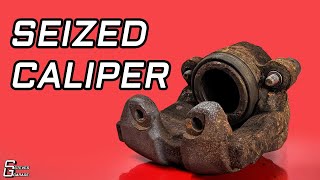
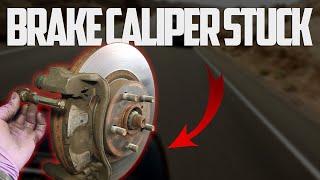
A brake caliper works under high pressure and heat. Over time, parts can wear out or corrode. For the 2011-2017 Accent, a common issue is a seized or sticking caliper, often due to corrosion of the slide pins or piston. This can cause serious braking problems. Watch for these signs:
🎬 Watch: 5 common symptoms of a sticking brake caliper.- Vehicle Pulling: The car pulls to the left or right when you brake. This can happen when one caliper applies more force than the other.
- Uneven Brake Pad Wear: A stuck caliper can cause the brake pads on one wheel to wear out much faster than the others.
- Grinding or Squealing Noises: A dragging caliper can make constant noise even when you aren't braking.
- Brake Fluid Leak: Puddles of fluid near the wheels can indicate a failed seal in the caliper.
- Spongy or Soft Brake Pedal: If a caliper is leaking, air can get into the system, making the pedal feel soft.
- Burning Smell: A seized caliper can cause the brakes to drag, generating excessive heat and a distinct burning smell.
Important Safety Recall Information
Many 2012-2015 Hyundai Accent models are part of NHTSA recall 23V-651000. This is for a fire risk due to a potential electrical short in the Anti-Lock Brake System (ABS) module, not the caliper itself. The fix involves replacing a fuse at the dealership. Check if your vehicle is affected, as this is a critical safety issue.
Choosing the Right Aftermarket Caliper for Your Accent

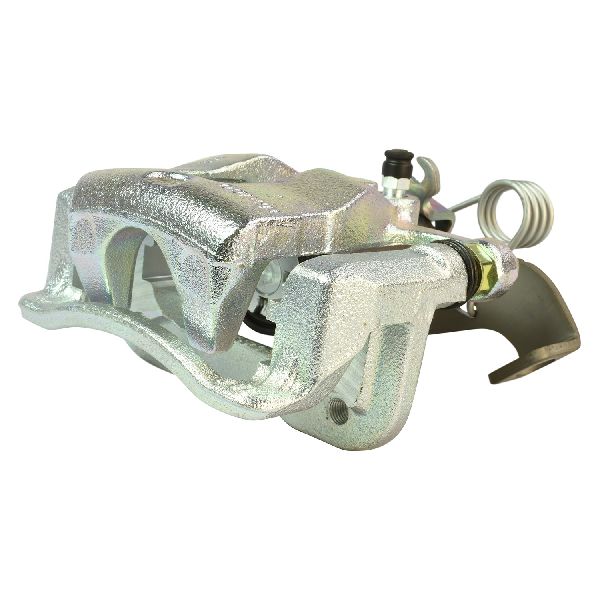
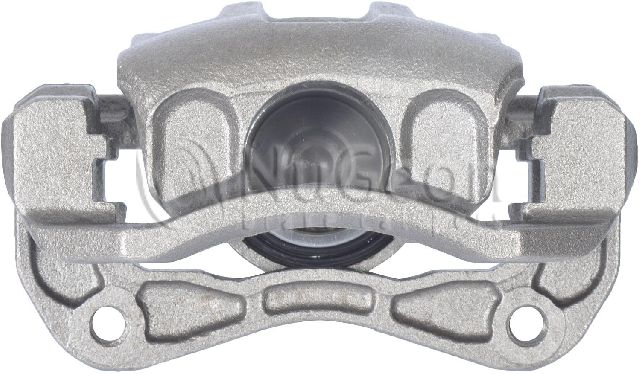
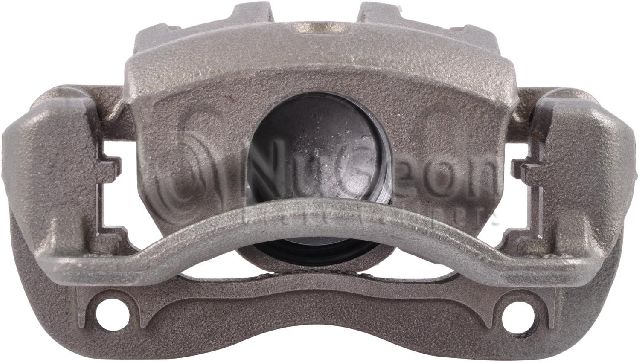
When replacing a caliper on your Accent, you have several good options. The choice between them often comes down to budget and desired quality. All calipers for this vehicle are a single-piston floating design.
Brand Tiers
- Original Equipment (OE) Equivalent: The original calipers on your Accent were made by Mando. Choosing a new Mando caliper is the closest you can get to the original part your car was built with. They are a direct-fit replacement and are manufactured to Hyundai's specifications.
- Premium Aftermarket: Brands like Powerstop and Raybestos (specifically their coated Element3 line) offer high-quality calipers. Powerstop calipers are often powder-coated for enhanced corrosion resistance and appearance. Raybestos Element3 calipers also feature a coating that is crucial for preventing rust, especially in areas that use road salt.
- Standard Aftermarket & Remanufactured: Brands like Cardone, Centric, Dynamic Friction, and BBB Industries offer reliable replacement options that are often more budget-friendly. Most of these are remanufactured units, where an original caliper core is rebuilt with new seals and hardware. They are a cost-effective and environmentally friendly choice.
How Much Does a New Caliper Cost for a 2011-2017 Accent?

The cost will vary based on the brand and whether you do the work yourself. Always replace the flexible brake hose at the same time for best results, and it's recommended to replace calipers in pairs (both front or both rear) to ensure even braking.
| Part or Service | Estimated Cost |
|---|---|
| New Aftermarket Caliper | $56 - $128 |
| New OEM (Hyundai) Caliper | $330 - $480 |
| Shop Labor (per caliper) | $120 - $200 |
| Total Professional Replacement (Aftermarket, one side) | $176 - $328 |
Frequently Asked Questions

Should I replace my brake calipers in pairs?
Yes, it is highly recommended. Replacing both the left and right calipers at the same time ensures even braking performance and prevents the car from pulling to one side. An old caliper will not perform the same as a new one.
Is a remanufactured caliper as good as a new one?
Reputable remanufactured calipers from brands like Cardone or Centric are a reliable and cost-effective option. They are rebuilt to meet or exceed original specifications with new seals, boots, and pistons. For daily driving, they offer excellent value. A new caliper simply means all components and the caliper body itself are 100% new.
Do I need special tools to replace a Hyundai Accent caliper?
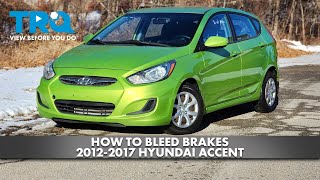
You will need standard mechanic's tools like a 14mm, 17mm, and 21mm socket, a ratchet, and a torque wrench. You will also need a tool to compress the caliper piston and tools for bleeding the brakes, which is the most difficult part of the job. 🎬 Watch: How to bleed brakes on your Hyundai Accent. It is a manageable DIY job for someone with some experience.
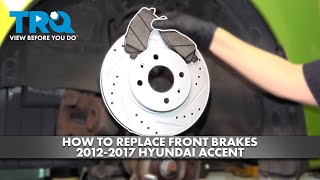
🎬 See this walkthrough on how to replace front brakes.What is the difference between a caliper with a bracket and without?
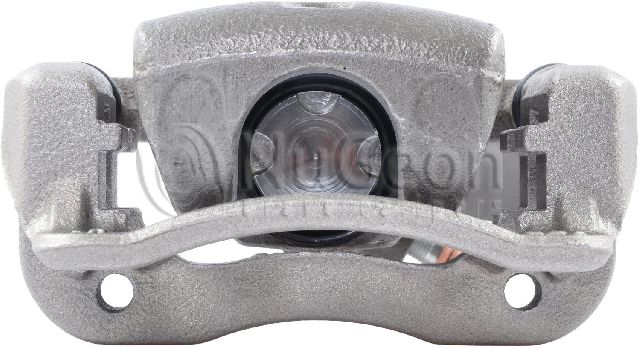
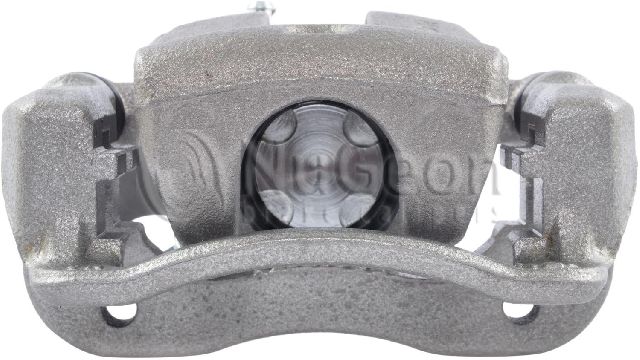
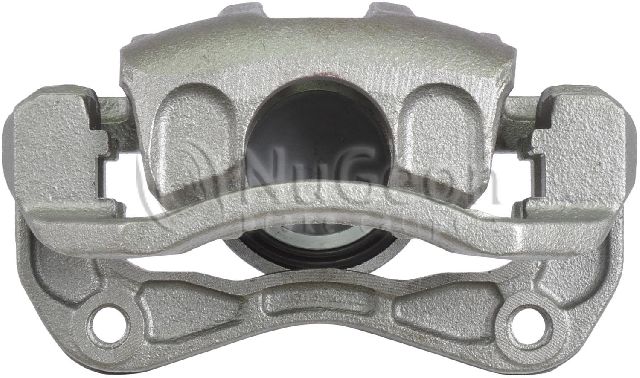
The caliper bracket is the component that bolts to the steering knuckle and holds the caliper in place. Some replacement calipers come "loaded" or "semi-loaded" with the bracket and new slide pins already installed and lubricated. If your old bracket is heavily corroded, it's a good idea to buy a caliper that includes a new one.
Helpful Videos
Technical Specifications
OEM Part Numbers: 58110-1R000 58311-1RA30 58130-25000
The 2011-2017 Hyundai Accent uses a single-piston floating caliper design for both front and rear disc brake applications.
We Have This Part in Stock

The information in this article is provided for general reference and educational purposes only. Vehicle specifications, procedures, and part compatibility can vary by production date, trim level, and region. Always consult your vehicle's factory service manual and verify part numbers before purchasing or performing repairs. Safety-critical components such as airbags, seat belts, and braking systems should be installed by a qualified professional.
- Hyundai Accent: