

Hyundai Sonata Rear Suspension Trailing Arm Guide (2011-2017)
If you're hearing clunks from the rear of your Sonata, a bad trailing arm could be the problem.
- A clunking noise from the rear is the most common sign of a failing trailing arm on a 2011-2017 Sonata.
- Check for corrosion, especially if you live in a Salt Belt state, as this was a known issue for Hyundai.
- Aftermarket brands like Mevotech and Moog offer a good balance of quality and value compared to the more expensive OEM part.
- Always get a wheel alignment after replacing trailing arms to prevent rapid tire wear.
Is Your Sonata Making a Clunking Noise? It Could Be the Trailing Arm.
If you own a 2011-2017 Hyundai Sonata, you might eventually hear some noises from the rear of your car. A common cause is a worn-out suspension trailing arm. The arm itself is a strong piece of metal, but the rubber bushings at the connection points can wear out, crack, or get damaged over time. When these bushings fail, you'll start to notice problems with your ride and handling.
Top 4 Signs of a Failing Trailing Arm on a Sonata
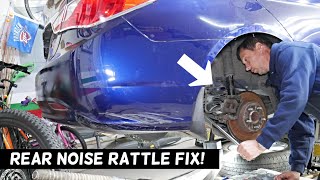
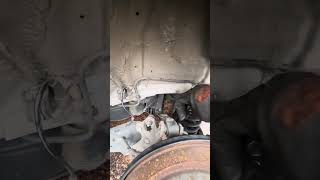
- Clunking or Squeaking Noises: 🎬 Watch this video to hear and identify rear suspension rattles. This is the most common symptom. You may hear a clunk, rattle, or squeak from the rear when you accelerate, brake, or go over bumps. The noise happens because the worn bushing allows for metal-on-metal contact.
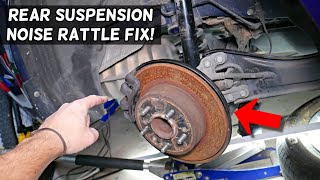
- Unstable Handling: A bad trailing arm can make the rear of the car feel loose or unstable, especially in turns or when hitting bumps. It might feel like the rear end is swaying or trying to steer the car on its own. 🎬 See how to fix common rear end squeaking issues.
- Uneven Tire Wear: When the trailing arm is compromised, it can throw off the rear wheel alignment. This causes tires to wear out quickly and unevenly, often in a pattern called "cupping" or "scalloping".
- Vehicle Sits Lower on One Side: In severe cases, a failed trailing arm bushing can cause the suspension to sag, making one side of the rear of the car sit lower than the other.
Known Issue: Corrosion in Salt Belt States
For Sonatas from 2011-2014, Hyundai issued a service campaign (not a formal safety recall) in Salt Belt states for underbody corrosion. Road salt can cause rust on rear suspension components, including the trailing arms. While this campaign focused on applying rust-proofing, it highlights a known weakness. If you live in an area with snow and road salt, inspect your trailing arms and the surrounding frame for rust damage.
Choosing the Right Aftermarket Trailing Arm
When replacing your trailing arm, you don't have to buy an expensive OEM part from the dealer. Aftermarket parts offer a good balance of quality and value. Here’s a look at the common brands available:
- Moog: Often considered a premium aftermarket brand, Moog has a reputation for quality and durability. They are sometimes priced higher, but many professional mechanics trust them. However, some users report that their quality can be inconsistent lately.
- Mevotech: Mevotech is known for balancing quality and affordability. They are a solid mid-range option that often provides good performance for daily driving.
- Dorman: Dorman offers a wide range of parts and is often the most budget-friendly choice. They are known for being easy to install, but some users question their long-term durability compared to Moog or Mevotech. For a budget-conscious repair, Dorman is a viable option.
Pro Tip: Replace in Pairs
Mechanics recommend replacing suspension components like trailing arms in pairs (both left and right sides at the same time). Even if only one side has failed, the other side has experienced the same amount of wear and is likely not far behind. Replacing both ensures balanced handling and prevents you from having to do the same job twice in the near future. An alignment is also highly recommended after replacement.
Cost to Replace a 2011-2017 Sonata Trailing Arm
| Part Type | Estimated Part Cost | Estimated Labor Cost | Total Estimated Cost |
|---|---|---|---|
| New Aftermarket | $60 - $104 | $120 - $176 | $180 - $280 |
| New OEM | $275 - $393 | $120 - $176 | $395 - $569 |
Note: Costs are estimates and can vary based on your location, the specific part brand, and the repair shop. The OEM part price is significantly higher.
Frequently Asked Questions
Can I just replace the trailing arm bushing?
Yes, in some cases you can press out the old bushing and install a new one. However, the labor involved can sometimes make it more cost-effective to replace the entire arm, which comes with a new bushing already installed. If the arm itself is bent or heavily corroded, you must replace the whole unit.
Is a trailing arm the same as a control arm?
They are similar but have different functions and locations. Trailing arms are part of the rear suspension and control front-to-back wheel movement. Control arms are typically in the front suspension but can also be part of a multi-link rear suspension, controlling lateral (side-to-side) movement. For this Sonata, the part in question is specifically the trailing arm.
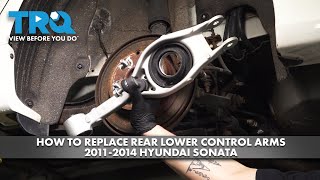
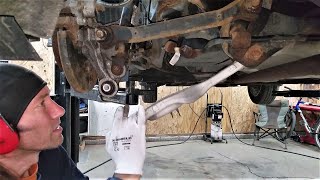
🎬 Watch a walkthrough on replacing rear suspension control arms.Was there a recall on the Sonata trailing arm?
There has not been a specific safety recall for the trailing arm on the 2011-2017 Hyundai Sonata. There was a recall for corrosion issues on the rear subframe and control arms for older 2006-2010 Sonatas. There was also a service campaign for 2011-2014 Sonatas in Salt Belt states to apply rust-proofing to the underbody, which included rear suspension components.
How long does it take to replace a trailing arm?
A professional mechanic can typically replace a rear trailing arm in about 1 to 1.5 hours per side. The job can be done by an experienced DIYer with the right tools, but it can be difficult if bolts are rusted and seized.
Helpful Videos
Technical Specifications
OEM Part Numbers: 55270-3Q000 55280-3Q000 55250-3Q000 55250-3R000 55250-3Q010
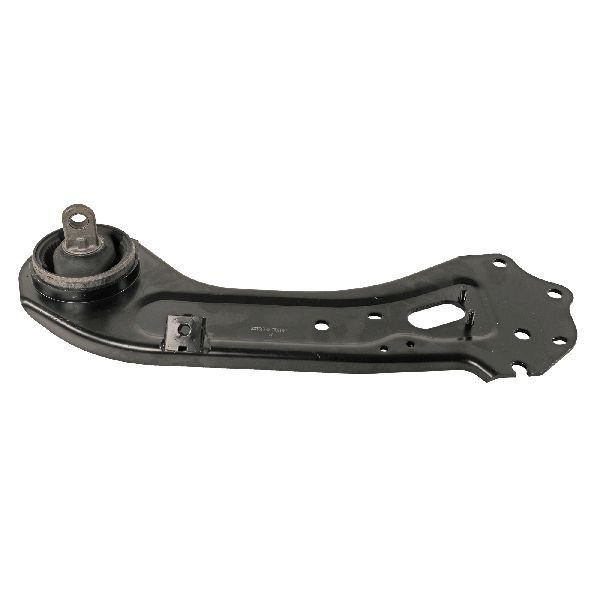
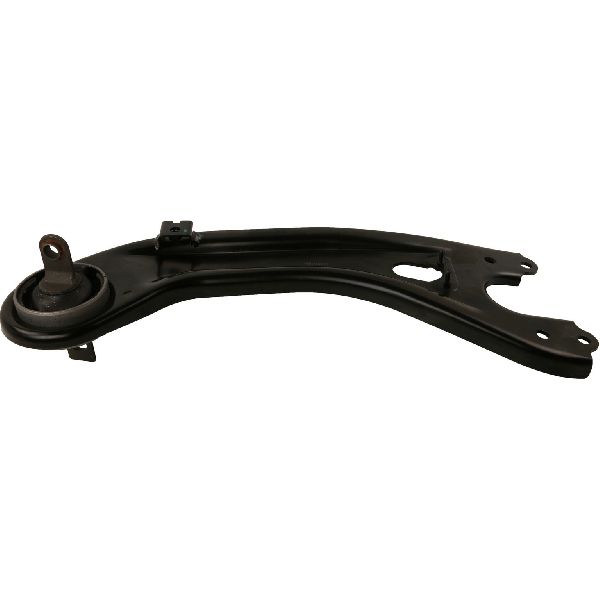
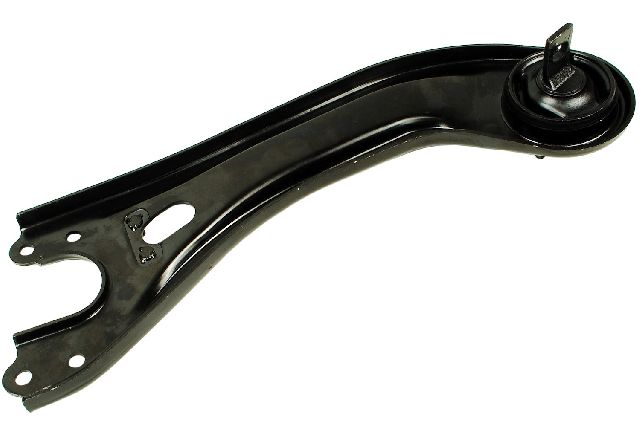
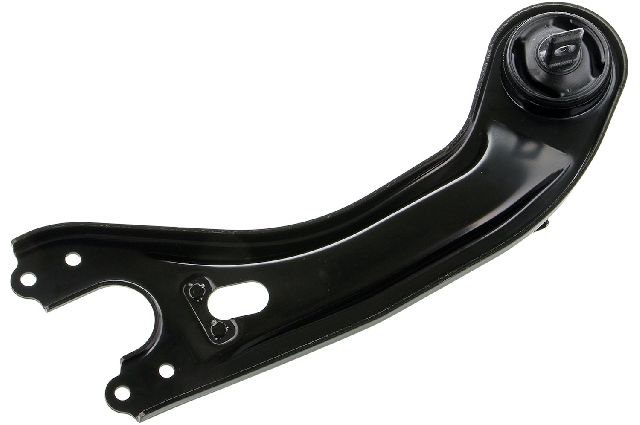
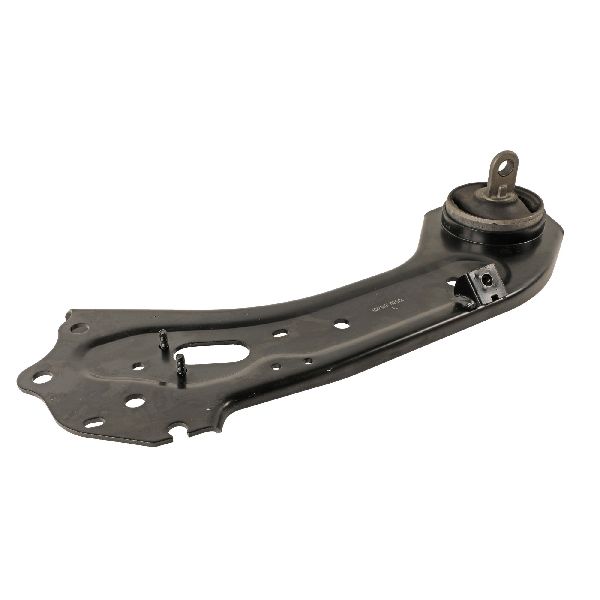
The trailing arm is a stamped steel arm with rubber bushings pressed into the mounting points. It connects the rear knuckle assembly to the vehicle's subframe. The 2011-2017 Sonata uses a multi-link rear suspension design where the trailing arm is a primary locating member.
We Have This Part in Stock

The information in this article is provided for general reference and educational purposes only. Vehicle specifications, procedures, and part compatibility can vary by production date, trim level, and region. Always consult your vehicle's factory service manual and verify part numbers before purchasing or performing repairs. Safety-critical components such as airbags, seat belts, and braking systems should be installed by a qualified professional.
- Hyundai Sonata:
- 🎬 Helpful Videos
- 🛍️ Shop This Part
- Is Your Sonata Making a Clunking Noise? It Could Be the Trailing Arm.
- Top 4 Signs of a Failing Trailing Arm on a Sonata
- Known Issue: Corrosion in Salt Belt States
- Choosing the Right Aftermarket Trailing Arm
- Pro Tip: Replace in Pairs
- Cost to Replace a 2011-2017 Sonata Trailing Arm
- Frequently Asked Questions
- 🎟️ Get 5% Off