

A Guide to the Crankshaft Position Sensor for the 2011-2017 Hyundai Tucson
If your Tucson is stalling or won't start, the crankshaft position sensor could be the reason why.
- The most critical symptoms are engine stalling or a no-start condition.
- A Check Engine Light with codes P0335 or P0336 is a strong indicator of a failed sensor.
- Replacement is simple, requiring only a 10mm socket, making it a good DIY task.
- For this part, it is highly recommended to use an OEM or a quality aftermarket brand like Mando, Delphi, or NGK to avoid premature failure.
Is Your Tucson's Crankshaft Position Sensor Failing?

A faulty crankshaft position sensor in a 2011-2017 Hyundai Tucson will cause noticeable problems. The most common issues are the engine cranking but not starting, or suddenly stalling while driving, especially when the engine warms up. You might also experience a rough idle, poor acceleration, and a general lack of power. These symptoms will almost always be accompanied by an illuminated Check Engine Light on your dashboard.
🎬 Watch: Common symptoms of a failing crankshaft sensor.Check Engine Light Codes
If your Check Engine Light is on, a code scan will likely show one of the following codes, pointing directly to a sensor problem:
- P0335: Crankshaft Position Sensor "A" Circuit Malfunction
- P0336: Crankshaft Position Sensor "A" Circuit Range/Performance
Choosing the Right Aftermarket Sensor

When replacing this sensor, you have a choice between OEM and a wide range of aftermarket brands. While saving money is tempting, this is one part where quality matters significantly to avoid doing the job twice.
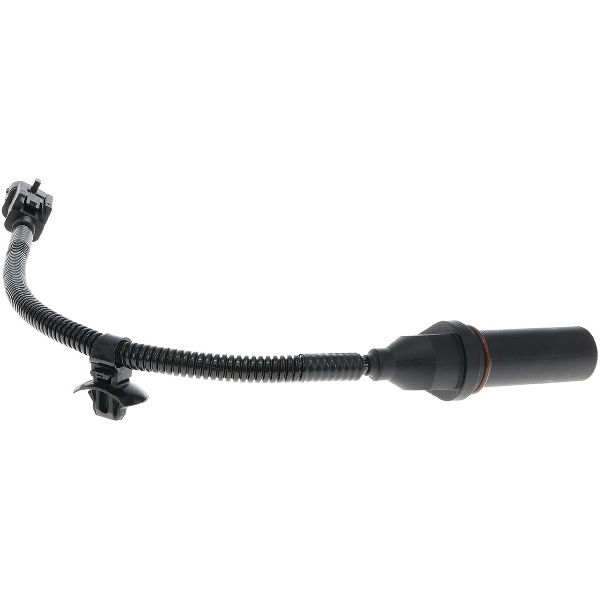
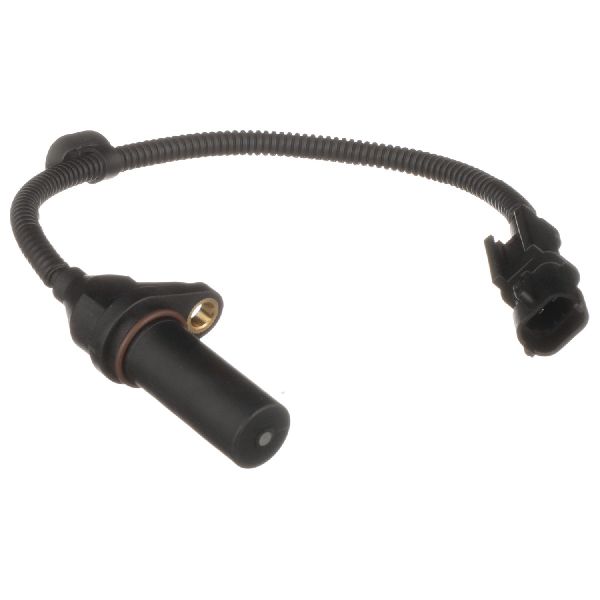
- Premium Aftermarket (e.g., Mando, Delphi, NGK, Hitachi): Mando is an Original Equipment (OE) supplier to Hyundai, so their parts are identical to the dealer part. Brands like Delphi, NGK, and Hitachi have a strong reputation for producing reliable sensors that meet or exceed OEM specifications. These are a safe and recommended choice.
- Reputable Mid-Range (e.g., Beck Arnley, Standard Ignition, Dorman): These brands offer a good balance of quality and price. They are generally reliable and a solid alternative to more expensive premium options.
- Economy Brands: While the low price is attractive, the cheapest sensors have a higher risk of being defective out of the box or failing prematurely. This can lead to the same symptoms returning, wasting both time and money. It's often best to invest in a more reputable brand for this critical component.
Installation Overview

For the 2.0L and 2.4L engines in the 2011-2017 Tucson, the crankshaft position sensor is located on the back of the engine block, near the area where the engine and transmission meet. It is held in place by a single 10mm bolt. While access can be tight, it is a straightforward replacement that many owners can perform themselves with basic hand tools in under an hour.
| Item | Estimated Cost |
|---|---|
| New OEM Part | $150 - $210 |
| New Aftermarket Part | $18 - $142 |
| Shop Labor | $90 - $140 |
| Total Professional Replacement | $175 - $300+ |
Frequently Asked Questions

Can I replace this sensor myself?
Yes, this is a very DIY-friendly repair. The sensor is secured by only one bolt and is accessible from underneath the vehicle. 🎬 Watch this step-by-step sensor removal and replacement guide. It requires basic tools and can typically be completed in 30-60 minutes.
Is it okay to buy a cheap aftermarket sensor?
It is not recommended. Many mechanics and owners report that cheap, unbranded crankshaft sensors for Hyundai vehicles can be unreliable and fail quickly. It is better to spend a little more on a reputable brand like Mando, Delphi, or NGK to ensure reliability.
What's the difference between a crankshaft and a camshaft sensor?
They perform similar functions but monitor different shafts. The crankshaft sensor tracks the position of the crankshaft (and pistons), which is essential for the engine to run at all. The camshaft sensor tracks the position of the camshafts, which controls the valves, and is mainly used for fine-tuning fuel injection and variable valve timing.
What happens if I don't replace a bad sensor?
You will continue to experience worsening symptoms like stalling, no-starts, and poor performance. A complete failure will leave you stranded, as the engine will not be able to start. The risk of the engine stalling in traffic is a significant safety concern.
Helpful Videos
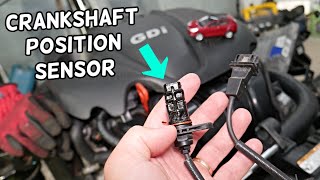
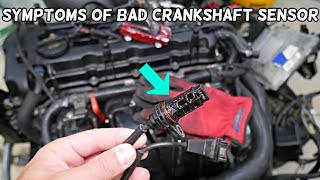
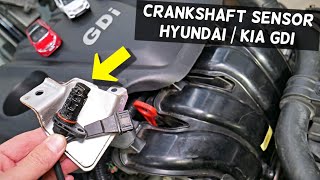
Technical Specifications
OEM Part Numbers: 39180-2B000 39180-2G000 39180-2B030
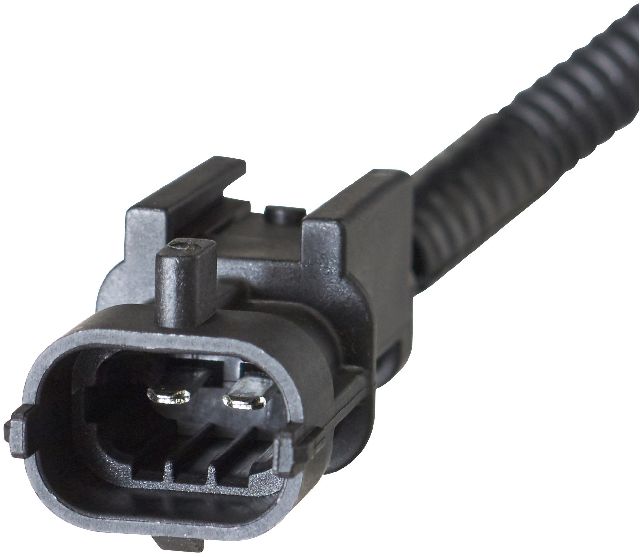
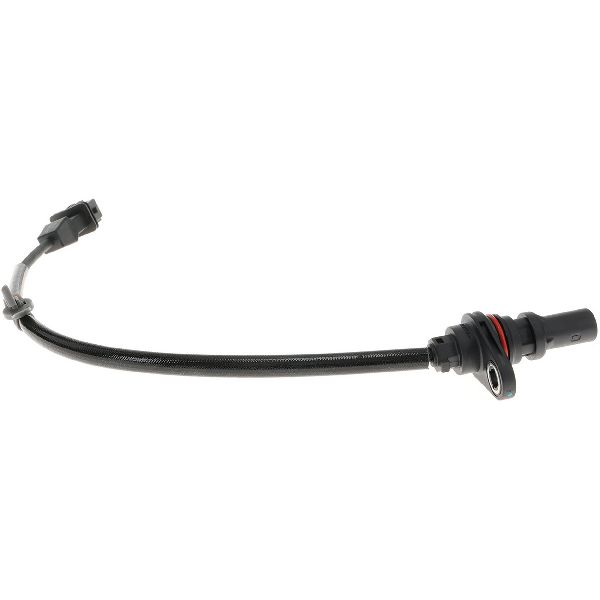
This is a Hall effect sensor that reads the position of the crankshaft from the engine block, typically near the transmission bell housing.
We Have This Part in Stock


The information in this article is provided for general reference and educational purposes only. Vehicle specifications, procedures, and part compatibility can vary by production date, trim level, and region. Always consult your vehicle's factory service manual and verify part numbers before purchasing or performing repairs. Safety-critical components such as airbags, seat belts, and braking systems should be installed by a qualified professional.
- Hyundai Tucson: