

Choosing Aftermarket Disc Brake Pads for the 2011-2017 Jaguar XJR
Get the right brake pads to maintain your XJR's powerful stopping ability and quiet, luxurious ride.
- A common complaint with OEM pads is excessive brake dust; switching to aftermarket ceramic pads can solve this.
- The XJR uses brake wear sensors that should be replaced along with the pads to ensure the warning system works.
- For daily driving, quality ceramic pads from brands like Bosch, Powerstop, or Centric offer the best balance of performance, low noise, and low dust.
- Ensure you get the correct parts, as brake systems can differ on supercharged models.
Symptoms of Worn Brake Pads
Your Jaguar XJR will give you clear signs when the brake pads are getting low. Ignoring these signs can lead to more expensive repairs and unsafe driving conditions.
- Squealing or Screeching Noises: A high-pitched noise when you brake is often the first sign. This is caused by a small metal indicator built into the pads to warn you they are getting low.
- Grinding Sounds: If you hear a grinding or growling sound, it means the pads are completely worn out. This is a critical situation where metal is grinding against metal, which can quickly damage your brake rotors.
- Vibrations in the Pedal: A pulsing or vibrating feeling in the brake pedal can mean the brake rotors are warped, often from the heat of worn-out pads.
- Brake Warning Light: Your XJR is equipped with brake pad wear sensors. When the pads are low, a warning light will appear on your dashboard.
- Longer Stopping Distances: If you notice your car takes longer to stop than it used to, your pads may be too thin to create enough friction.
Choosing the Right Aftermarket Brake Pads
When replacing your brake pads, you have many options besides the expensive Genuine Jaguar parts. Aftermarket brands often provide similar or even better performance for less money. The key is to choose the right type of pad for your driving style.
Aftermarket Brand Tiers for Your XJR
| Tier | Brands | Best For |
|---|---|---|
| Premium / OEM-Equivalent | Brembo, Pagid, Bosch | Owners who want to match the original factory performance and feel. These pads offer a great balance of stopping power, low noise, and durability. Brembo is a well-regarded name for performance braking systems. |
| Performance / Upgrade | Powerstop, StopTech, EBC | Drivers seeking enhanced stopping power, especially for spirited driving. These pads, like Powerstop's Z26, often use carbon-fiber ceramic compounds to reduce dust and noise while providing strong braking. However, some high-performance pads may create more dust than ceramic options. |
| Daily Driver / Value | Centric, Dynamic Friction, Bendix | Everyday driving where a balance of good quality, low noise, and affordable price is most important. Brands like Centric's Posi-Quiet line are made to be direct OE replacements that reduce noise and vibration. |
A Note on Brake Dust
A very common complaint among Jaguar owners is the large amount of brake dust produced by the original factory pads. This is a common trait of high-performance metallic pads. Switching to a quality ceramic aftermarket pad from brands like Akebono, Powerstop, or Centric can significantly reduce the amount of dust on your wheels without sacrificing daily driving performance. Some drivers note that ceramic pads may have a slightly less aggressive initial "bite" than metallic pads, but feel better after a break-in period.
Known Issues, Recalls, and TSBs
There have been no specific recalls or Technical Service Bulletins (TSBs) issued by Jaguar or the NHTSA for the disc brake pads on the 2011-2017 XJR. However, a recall (NHTSA Campaign Number: 14V741000) was issued for some 2014-2015 Jaguar XJ models concerning brake line junctions that could leak fluid, potentially reducing braking ability. This does not relate to the pads themselves but is important brake system information. Another TSB for older XJR models with Brembo brakes noted that vibration during braking could be caused by disc run-out, which requires a special procedure to fix.
Pro Tip: Replace Wear Sensors
Your XJR has brake pad wear sensors on the front left and rear right wheels. While you can sometimes reuse them, they are inexpensive and can easily break during a brake job. It is highly recommended to replace the sensors whenever you replace your brake pads to ensure the warning system functions correctly.
Frequently Asked Questions (FAQ)
Will aftermarket pads be as good as the Jaguar OEM pads?
Yes, and sometimes they can be better for your needs. High-quality aftermarket brands like Brembo, Bosch, and Powerstop engineer pads that meet or exceed factory specifications. Aftermarket pads also give you the option to choose a compound, like ceramic, that can reduce brake dust, a common complaint with OEM pads.
What's the difference between ceramic and semi-metallic pads for my XJR?
Semi-metallic pads, often used as original equipment on performance cars, offer excellent stopping power and heat management but tend to be noisy and create a lot of dust. Ceramic pads are much quieter, produce significantly less dust, and are gentler on brake rotors. For most daily driving, ceramic pads offer a great combination of performance and cleanliness.
Do I need to replace my brake rotors at the same time as the pads?
Not always, but it is highly recommended. Installing new pads on old or warped rotors can cause noise, vibration, and uneven wear. For best performance and safety, especially on a high-performance vehicle like the XJR, replacing pads and rotors together is the best practice.
How difficult is it to replace the brake pads on a 2011-2017 XJR?
For a DIYer with some experience, replacing the brake pads is a manageable job, rated as low-to-moderate difficulty. You will need a good set of tools, including a way to safely lift the vehicle and a tool to compress the caliper pistons. The rear brakes involve an electronic parking brake that needs to be put into a 'service mode' before starting work.
Technical Specifications
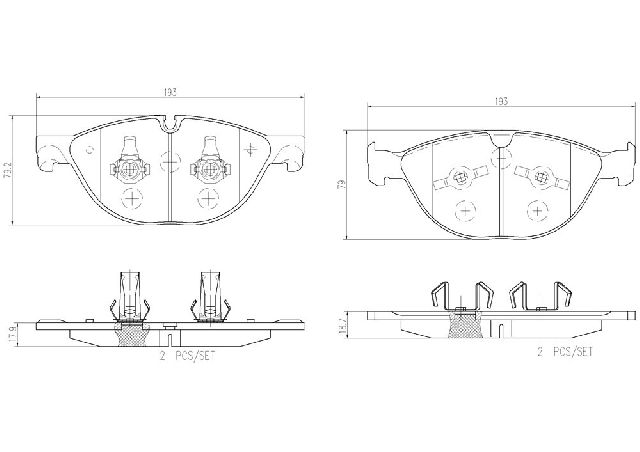
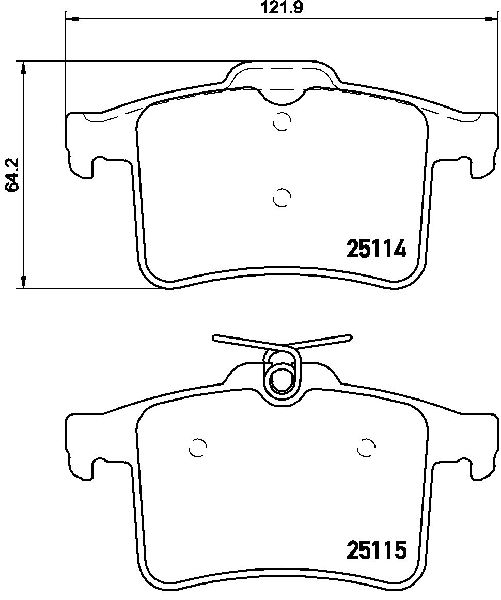
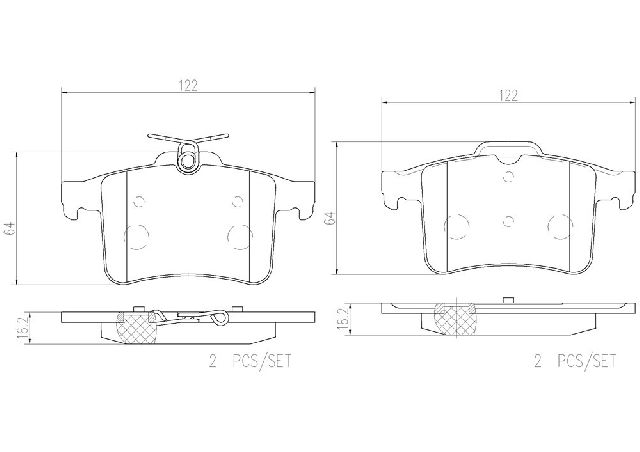
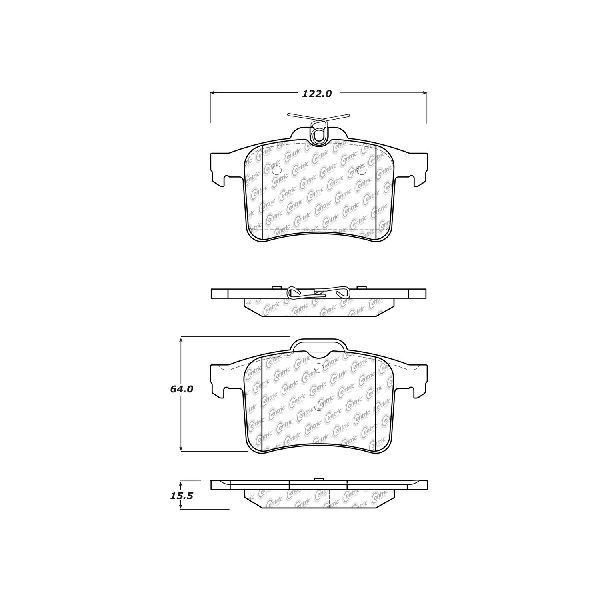
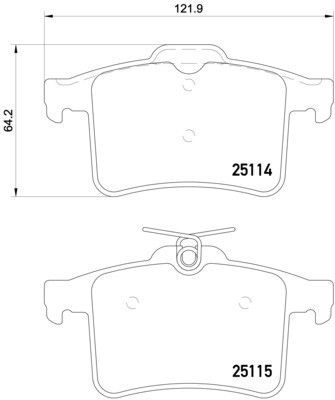
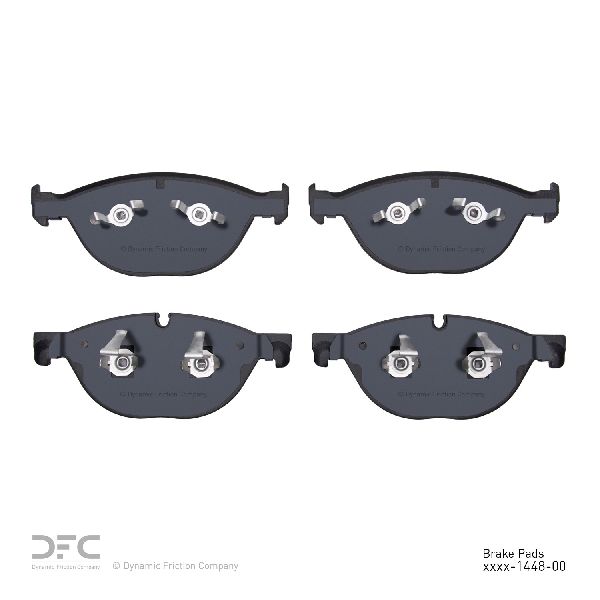
Brake pad material types include ceramic, semi-metallic, and organic. The 2011-2017 XJR uses electronic brake pad wear sensors. Different brake sizes may be used on standard vs. supercharged models, so verifying fitment is critical.
We Have This Part in Stock

The information in this article is provided for general reference and educational purposes only. Vehicle specifications, procedures, and part compatibility can vary by production date, trim level, and region. Always consult your vehicle's factory service manual and verify part numbers before purchasing or performing repairs. Safety-critical components such as airbags, seat belts, and braking systems should be installed by a qualified professional.
- Jaguar XJR: