

Lexus CT200h (2011-2017) Engine Coolant Temperature Sensor Guide
Understand why this small sensor is critical for your CT200h's hybrid engine and how to choose the right replacement.
- A failing ECT sensor will usually trigger a Check Engine Light with codes P0115, P0117, or P0118.
- Denso is the OEM supplier; choosing their aftermarket sensor offers the best quality and value for your CT200h.
- Symptoms include poor fuel economy, rough idle, and potential overheating.
- While the part is inexpensive, labor can be costly due to sensor location, making DIY replacement a good cost-saving option.
Is your Lexus CT200h showing signs of a bad coolant sensor?
A failing Engine Coolant Temperature (ECT) sensor can cause a range of problems for your CT200h. Because the car's computer relies on this sensor for critical data, a bad reading can lead to poor engine performance, incorrect fuel mixture, and even prevent the engine from starting. Recognizing the symptoms early can save you from more significant issues down the road.
Common Symptoms of a Failing ECT Sensor
- Check Engine Light is on (with codes like P0115, P0117, or P0118) 🎬 Watch: A detailed diagnosis and explanation of these error codes
- Engine is hard to start, especially when cold
- Poor fuel economy
- Engine runs rough or idles poorly
- Black smoke from the exhaust
- Cooling fans run constantly or not at all
- Overheating warning light illuminates on the dash
Choosing the Right Aftermarket Sensor for Your CT200h
When replacing the ECT sensor, you have a choice between Original Equipment (OEM) and aftermarket parts. For a critical sensor like this, quality is important, but that doesn't mean you must buy from the dealer.
Brand Quality Tiers
Not all aftermarket brands are created equal. Here’s how they generally stack up for your Lexus:
- OEM Supplier (Best Value): Denso is a well-known original equipment manufacturer for Toyota and Lexus. Choosing a Denso-branded sensor often means you are getting the exact same quality as the genuine Lexus part, just in a different box and at a lower cost. This is the most recommended aftermarket option.
- Quality Aftermarket: Brands like Standard Ignition (SMP), NGK, and Delphi have a long history of producing reliable aftermarket components. They are a solid choice if a Denso part is not available.
- Budget-Friendly Options: Brands like URO Parts, Holstein, and others offer a more affordable price point. While they can be a good value for a simple repair, their long-term reliability and manufacturing consistency may not match that of OEM suppliers. For a sensor that plays a key role in engine management, it's often worth spending a little more for a proven brand.
| Part Type | Estimated Cost |
|---|---|
| New OEM (Lexus Dealer) | $73 - $98 |
| New Aftermarket | $13 - $83 |
| Shop Labor | $305 - $448 |
Pro Tip: The labor cost for this repair can be high relative to the part's price. This is because accessing the sensor may require removing other components. To save money, consider replacing the sensor during other cooling system maintenance, like a thermostat or water pump replacement.
🎬 Watch: How to access the water pump and thermostat housingFrequently Asked Questions (FAQ)
Where is the engine coolant temperature sensor located on the 2011-2017 Lexus CT200h?
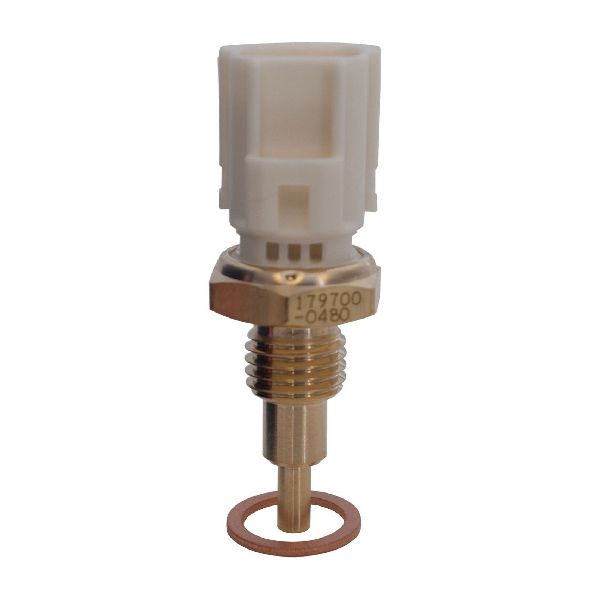
The ECT sensor is typically screwed into a coolant passage on the engine's cylinder head or near the thermostat housing. You will need to locate it by following the upper radiator hose to where it connects to the engine. The sensor is a small plug with a two-wire electrical connector.
Are there any recalls for the CT200h coolant temperature sensor?
There are no specific recalls for the engine coolant temperature sensor itself. However, there was a Limited Service Campaign (LSC-CLB) for some 2011-2012 models related to a potential coolant leak from the exhaust gas control actuator, which could cause the water temp indicator lamp to illuminate. Always check for any open recalls or campaigns for your specific vehicle.
Can I replace the CT200h ECT sensor myself?
Yes, this is a DIY-feasible repair for someone with basic mechanical skills. The main challenge is access. You will need to let the engine cool completely, locate the sensor, disconnect the electrical connector, and use a deep socket wrench to unscrew the old sensor. Have the new sensor ready to install quickly to minimize coolant loss. Always top off the coolant afterward and check for air in the system.
🎬 See this step-by-step walkthrough for replacing the CT200h sensorWhat happens if I ignore a bad ECT sensor?
Ignoring a bad sensor can lead to serious problems. The engine may run rich, fouling spark plugs and damaging the catalytic converter over time. It can also run lean, causing poor performance. Most critically, if the sensor fails to report an overheating condition, you risk severe engine damage like a blown head gasket.
Helpful Videos
![[ENG] Prius ZVW30 Lexus CT200H Water Temperature Sensor or ECT Sensor Replacement](https://img.youtube.com/vi/nWnzoK6PRbM/mqdefault.jpg)


Technical Specifications
OEM Part Numbers: 89422-33030 89422-35010
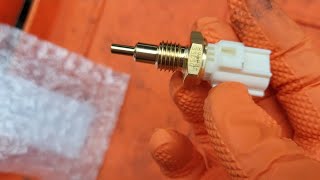
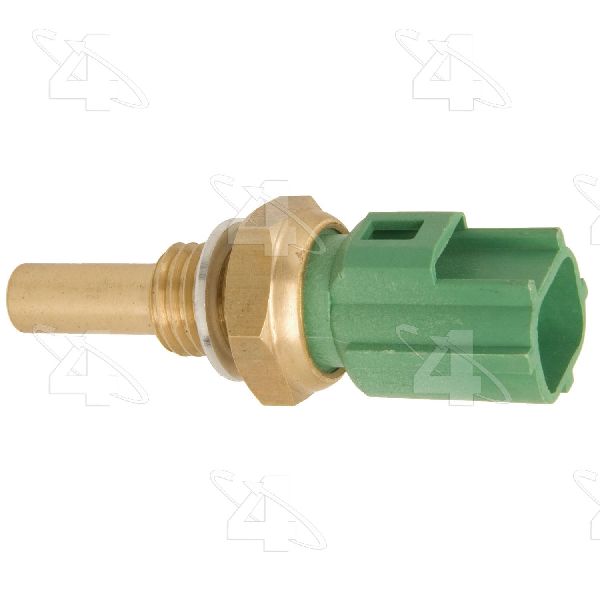
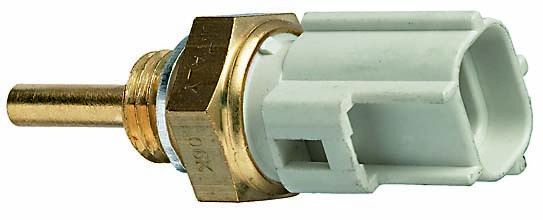
The sensor is a thermistor with a 2-pin, rectangular plug-in connector. Its resistance changes with coolant temperature to send a voltage signal to the ECU.
We Have This Part in Stock



The information in this article is provided for general reference and educational purposes only. Vehicle specifications, procedures, and part compatibility can vary by production date, trim level, and region. Always consult your vehicle's factory service manual and verify part numbers before purchasing or performing repairs. Safety-critical components such as airbags, seat belts, and braking systems should be installed by a qualified professional.
- Lexus CT200h: