

A Guide to Spark Plug Replacement for the 2011-2017 Lexus CT200h
Keep your CT200h's hybrid engine running efficiently by understanding when and how to replace your spark plugs.
- The recommended spark plug replacement interval for the CT200h is 120,000 miles.
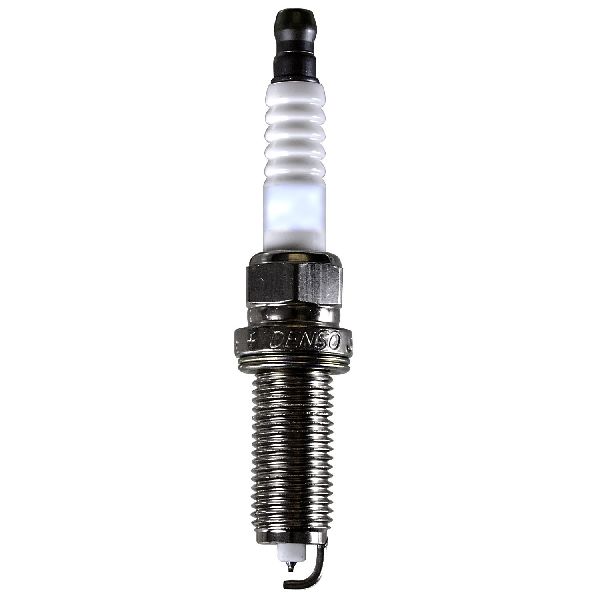
- For best results and to avoid performance issues, use OEM-equivalent Iridium spark plugs from Denso or NGK.
- The replacement is a simple DIY job that requires basic tools and can be completed in under an hour.
- Misfire codes (P0300-P0304) are a common symptom of failing plugs, but can also point to other engine issues if new plugs don't solve the problem.
Signs of Failing Spark Plugs

When your spark plugs are nearing the end of their life, your car will give you several warning signs. Paying attention to these symptoms can help you address the issue before it causes more significant problems.
- Rough Idle: The engine may shake or vibrate more than usual when the car is stationary.
- Reduced Fuel Economy: You may notice you're visiting the gas station more often. Inefficient combustion from old plugs forces the engine to work harder and use more fuel.
- Engine Misfires: The car may hesitate or stumble during acceleration. This can trigger the Check Engine Light, often with codes like P0300 (random misfire) or P0301-P0304 for specific cylinders. 🎬 Learn how to fix misfire codes on your Lexus hybrid.
- Difficulty Starting: While less common with modern ignition systems, very worn plugs can make it harder for the engine to start.
A Note on Misfire Codes (P0300-P0304)
While failing spark plugs are a common cause of misfire codes, these codes can also indicate other issues on the CT200h, such as a clogged EGR system or, in more serious cases, 🎬 Watch this video for tips on diagnosing rough engine idle. a head gasket problem. If new plugs and coils don't resolve the misfire, further diagnosis is necessary.
Choosing the Right Aftermarket Spark Plugs

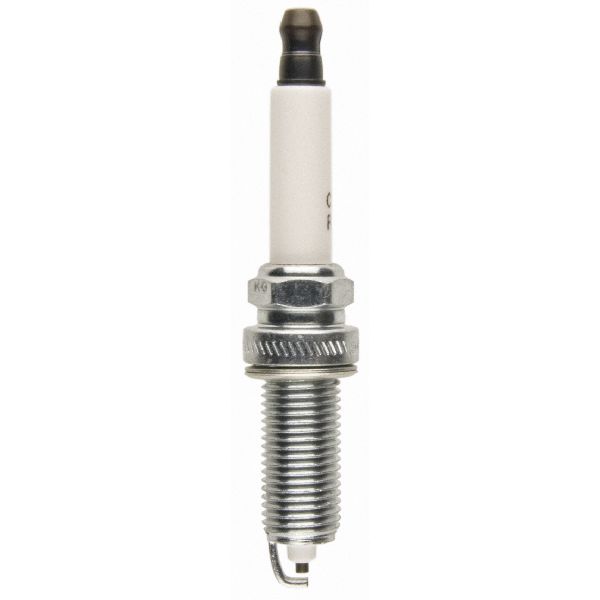
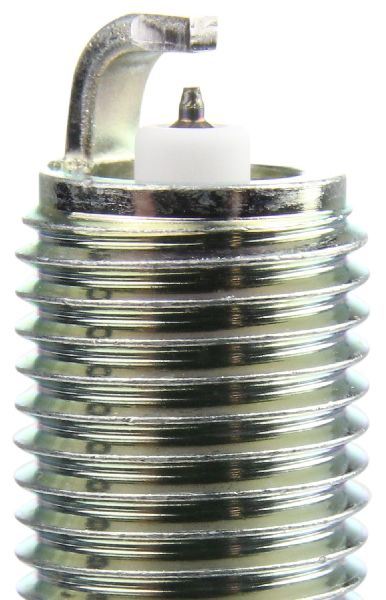
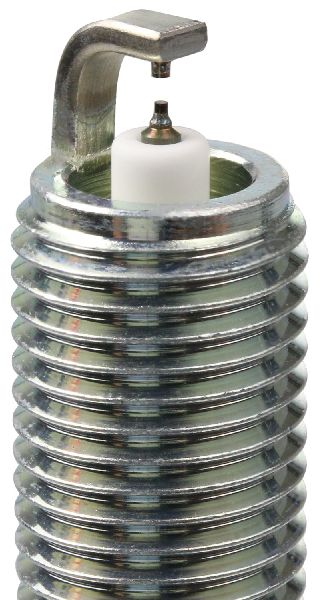
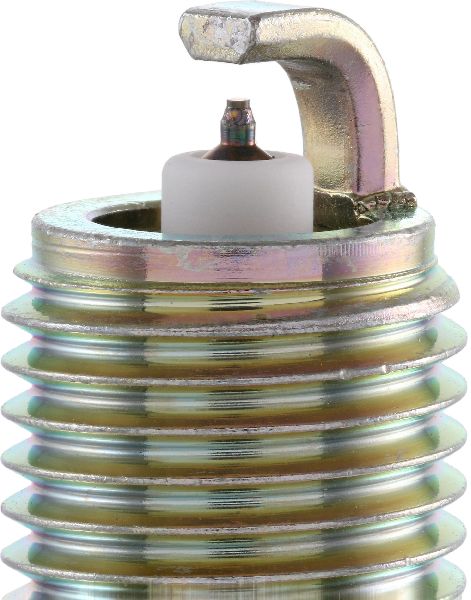
The Lexus CT200h requires specific long-life Iridium-tipped spark plugs for optimal performance in its hybrid system. Using a lower-quality plug can lead to poor fuel economy and engine performance issues. When shopping for aftermarket replacements, it's best to stick to the original equipment manufacturer (OEM) or equivalent brands.
Tier 1: OEM Equivalent
Denso & NGK: Denso and NGK are the original equipment suppliers for Toyota and Lexus. Choosing their Iridium plugs is the safest and most recommended option. They are engineered specifically for the 2ZR-FXE engine and will provide the same performance and longevity as the plugs installed at the factory. The OEM part number is 90919-01253 (Denso SC20HR11), which has been superseded by 90919-01275 (Denso SC16HR11). Both are considered appropriate for the vehicle.
Tier 2: Reputable Aftermarket Brands
Bosch & Champion: Brands like Bosch and Champion also produce high-quality Iridium spark plugs that are compatible with the CT200h. These can be a good alternative if OEM-equivalent plugs are unavailable, but it is crucial to ensure they match the Iridium specification and heat range required by Lexus. Always verify the part number compatibility with your vehicle before purchasing.
Pro Tip: Check the Gap?
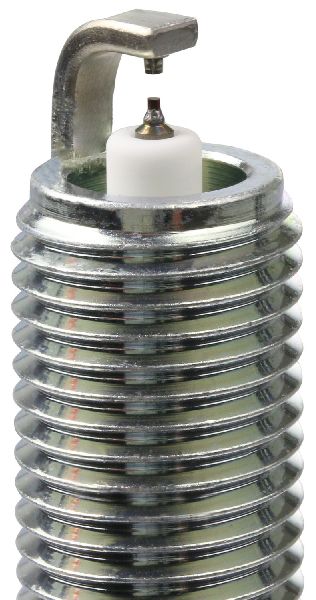
Iridium spark plugs for the CT200h come pre-gapped from the factory to the correct specification (typically 1.1 mm or 0.044 inches). It is generally not recommended to try and gap them yourself, as the fine Iridium tip is fragile and can be easily damaged. Always handle new plugs with care.
Recalls and Technical Service Bulletins (TSBs)
As of this writing, there are no specific recalls or TSBs issued by Lexus or the NHTSA directly related to spark plug failure for the 2011-2017 Lexus CT200h. Recalls for this vehicle have addressed other issues like airbag inflators and block heaters.
Frequently Asked Questions (FAQ)

How often should I replace the spark plugs on my CT200h?
The recommended replacement interval for the original Iridium spark plugs is every 120,000 miles under normal driving conditions. However, if you experience any failure symptoms, they should be inspected and replaced if necessary, regardless of mileage.
Is it difficult to replace the spark plugs myself?
No, for a 4-cylinder engine, this is one of the more straightforward DIY jobs. The ignition coils and spark plugs are easily accessible on top of the engine after removing the plastic engine cover. The job requires basic tools like a ratchet, extensions, a 10mm socket, and a 14mm spark plug socket.
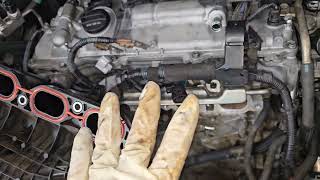
🎬 See a step-by-step guide on replacing your CT200h spark plugs.Should I use anti-seize on the new spark plug threads?
It depends on the plug manufacturer. NGK, a major OEM supplier, specifically recommends NOT using anti-seize on their plugs. Their plugs have a special trivalent plating that acts as its own anti-seize and lubricant. Using additional anti-seize can lead to over-torquing and damage to the plug or engine threads. Always check the recommendation for the specific brand you are installing.
Should I replace the ignition coils at the same time?
It is not required to replace the ignition coils with the spark plugs. However, it is a common preventative maintenance item for some owners, especially on higher-mileage vehicles. If you have a misfire code on a specific cylinder, and a new spark plug doesn't fix it, the next logical step is to test or replace that cylinder's ignition coil.
Helpful Videos
Technical Specifications
OEM Part Numbers: 90919-01253 90919-01275
Engine: 1.8L L4 (2ZR-FXE) Plug Type: Iridium OEM Brands: Denso, NGK Socket Size: 14mm Torque Spec: 15 ft-lbs (20 Nm) Gap: 1.1mm (0.044")
We Have This Part in Stock

The information in this article is provided for general reference and educational purposes only. Vehicle specifications, procedures, and part compatibility can vary by production date, trim level, and region. Always consult your vehicle's factory service manual and verify part numbers before purchasing or performing repairs. Safety-critical components such as airbags, seat belts, and braking systems should be installed by a qualified professional.
- Lexus CT200h:
- 🎬 Helpful Videos
- 🛍️ Shop This Part
- Signs of Failing Spark Plugs
- A Note on Misfire Codes (P0300-P0304)
- Choosing the Right Aftermarket Spark Plugs
- Tier 1: OEM Equivalent
- Tier 2: Reputable Aftermarket Brands
- Pro Tip: Check the Gap?
- Recalls and Technical Service Bulletins (TSBs)
- Frequently Asked Questions (FAQ)
- 🎟️ Get 5% Off