

Suspension Shock Absorber Replacement Guide for the 2011-2017 Nissan Quest
Restore your minivan's ride quality and handling by choosing the right replacement shocks.
- For best performance and longevity, choose KYB shocks, which are OEM-quality.
- Always replace rear shocks in pairs to ensure balanced handling and safety.
- The rear shock replacement is a feasible DIY job for those with basic tools and jack stands.
- If you hear clunking, also inspect the front control arm ball joints, a known weak point on this Quest generation.
Symptoms of Failing Shock Absorbers
Worn shocks can make your Quest feel unstable and uncomfortable. Look out for these common signs:
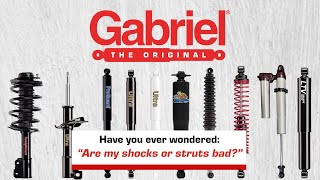
🎬 Watch: A visual guide to identifying worn shocks and struts.- Bouncy or Floating Ride: The vehicle continues to bounce up and down long after hitting a bump.
- Nose-Diving When Braking: The front end of the minivan dips excessively when you apply the brakes.
- Body Roll in Turns: The vehicle feels like it's swaying or leaning too much on corners.
- Unusual Noises: A knocking or clunking sound coming from the corners of the vehicle, especially over bumps.
- Visible Fluid Leaks: Oily residue on the body of the shock absorber is a clear sign it has failed.
- Cupped Tire Wear: Scalloped or cupped patterns on the tire tread can be caused by the tire bouncing on the road from weak shocks.
Check Other Parts
The 4th generation Quest is also known for premature wear on its front lower control arm ball joints. Symptoms like clunking noises can be similar. If you hear noises, it's wise to have the entire front suspension inspected, not just the shocks and struts.
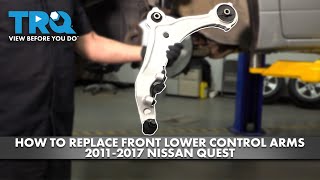
🎬 See how to replace front lower control arms yourself.Choosing the Right Aftermarket Shocks
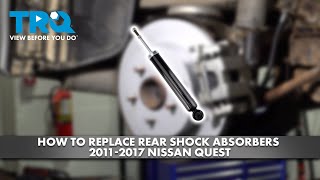
For the 2011-2017 Nissan Quest, the front suspension uses a complete "strut" assembly (a shock and spring combined), while the rear uses a separate shock absorber. This guide focuses on the more commonly replaced rear shocks. 🎬 Watch this step-by-step walkthrough for replacing rear shock absorbers. When choosing an aftermarket brand, quality generally aligns with price.
Brand Tiers for Your Nissan Quest
Tier 1: Premium (KYB)
KYB is a Japanese manufacturer and a major supplier of original equipment (OEM) parts to automakers like Nissan. Their aftermarket shocks, like the Excel-G model, are designed to restore or even slightly improve upon the original factory ride and handling. They are widely considered the highest quality and most durable option, often recommended by mechanics and experienced owners. If you want a long-lasting part that performs like the original, KYB is the best choice.
Tier 2: Standard (Monroe)
Monroe is another well-known brand that offers a good balance of quality and price. Their OESpectrum line is a popular choice. Generally, Monroe shocks are tuned for a comfortable, slightly softer ride compared to the sometimes firmer feel of KYB. While they are a solid replacement, some users report they may not have the same longevity as KYB.
Tier 3: Economy (FCS Struts)
FCS is a budget-friendly option. While the low price is appealing, the quality is inconsistent. Many professional mechanics and forum users advise against using economy brands like FCS if you plan on keeping your vehicle for a long time, as they tend to wear out much faster and may have issues with fitment or ride quality right out of the box. They are best considered for a vehicle you don't plan to keep long-term.
Pro Tip: Replace in Pairs
Always replace shock absorbers in pairs (both rear shocks at the same time, or both front struts). Replacing only one can lead to unbalanced handling and instability. Since they wear at the same rate, if one is bad, the other is not far behind.
Known Issues, TSBs, and Recalls
There are no active safety recalls from the NHTSA specifically for the shock absorbers on the 2011-2017 Nissan Quest. However, Nissan has issued Technical Service Bulletin NTB99-001F, titled "STRUT AND SHOCK ABSORBER REPLACEMENT GUIDELINES." This bulletin provides dealership technicians with the proper procedures for diagnosis and replacement, reinforcing best practices. Another TSB, NTB12-055J, addresses a clicking noise from the front axle that can sometimes be misdiagnosed as a suspension problem.
Cost to Replace Nissan Quest Rear Shocks
| Item | Estimated Cost |
|---|---|
| New Aftermarket Rear Shocks (Pair) | $75 - $210 |
| New OEM Rear Shocks (Pair) | $220 - $330 |
| Shop Labor (Rear Pair) | $100 - $200 |
| Total Professional Replacement (Aftermarket) | $175 - $410 |
Frequently Asked Questions (FAQ)
Do I need a wheel alignment after replacing rear shocks?
For rear shock replacement on this Quest, a wheel alignment is generally not required. The rear shock mounting points do not affect alignment angles. However, if you are replacing the front struts, an alignment is absolutely necessary.
What's the difference between a shock and a strut?
A strut is a structural part of the suspension that incorporates a shock absorber within its assembly. A shock absorber is just a damping component. Your 2011-2017 Quest uses struts in the front and traditional shock absorbers in the rear.
Can I replace just one shock absorber?
No, you should always replace them in pairs (both front or both rear). A new shock will have different damping characteristics than the old one on the other side, which can make your vehicle's handling unpredictable and unsafe.
How long do shock absorbers last on a Nissan Quest?
The typical service life is around 50,000 to 75,000 miles, but this can vary greatly depending on road conditions and driving habits. If you frequently drive on rough roads or carry heavy loads, they may wear out sooner.
Helpful Videos
Technical Specifications
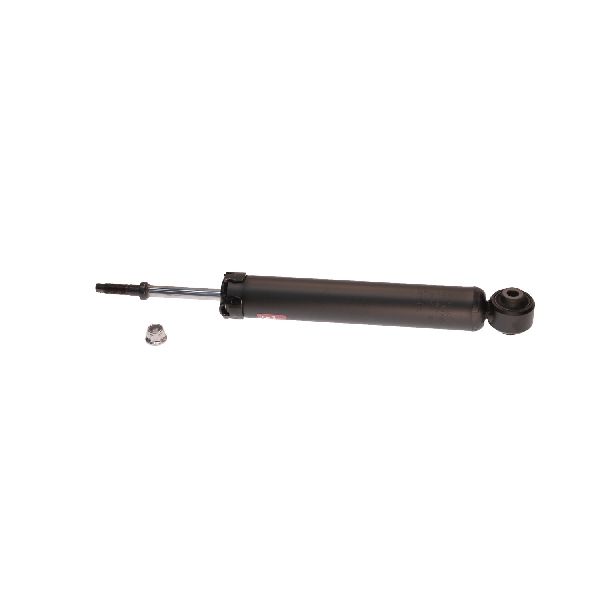
OEM Part Numbers: E62101JB0C 56210-5Z025
This vehicle uses separate shock absorbers for the rear suspension. The front suspension uses MacPherson struts, which are a different part. This guide and the parts listed are for the REAR shocks only.
We Have This Part in Stock


The information in this article is provided for general reference and educational purposes only. Vehicle specifications, procedures, and part compatibility can vary by production date, trim level, and region. Always consult your vehicle's factory service manual and verify part numbers before purchasing or performing repairs. Safety-critical components such as airbags, seat belts, and braking systems should be installed by a qualified professional.
- Nissan Quest:
- 🎬 Helpful Videos
- 🛍️ Shop This Part
- Symptoms of Failing Shock Absorbers
- Check Other Parts
- Choosing the Right Aftermarket Shocks
- Brand Tiers for Your Nissan Quest
- Pro Tip: Replace in Pairs
- Known Issues, TSBs, and Recalls
- Cost to Replace Nissan Quest Rear Shocks
- Frequently Asked Questions (FAQ)
- 🎟️ Get 5% Off