

Nissan Quest Transmission Filter and CVT Service Guide (2011-2017)
Keep your Quest's CVT transmission healthy by understanding its unique filter and service needs.
- The 2011-2017 Quest has a sensitive CVT that requires specific maintenance; it has two filters, an internal strainer and an external paper filter.
- You must use Nissan-specific CVT fluid (NS-2 or NS-3) to avoid damaging the transmission.
- Symptoms like shuddering, whining, or hesitation should be addressed immediately to prevent catastrophic failure.
- Quality aftermarket filter kits from brands like Beck Arnley and Premium Guard are cost-effective and reliable alternatives to OEM parts.
Understanding Your Quest's CVT Transmission

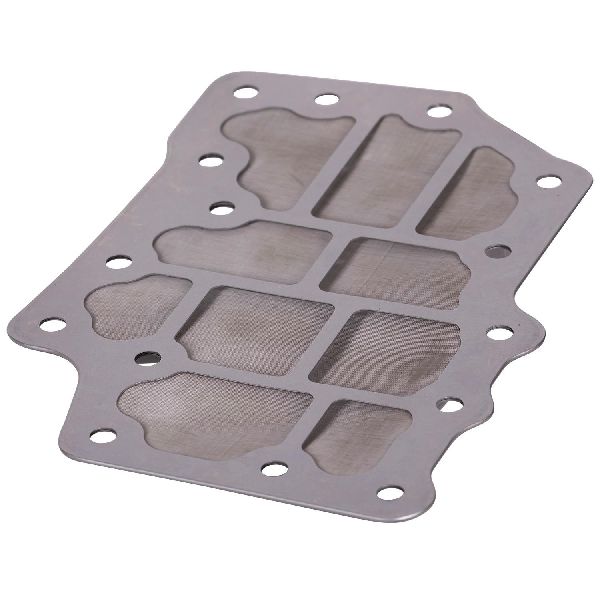
The 2011-2017 Nissan Quest uses a Continuously Variable Transmission (CVT) instead of a conventional automatic. This transmission requires specific maintenance to ensure a long life. A key part of this maintenance is servicing the transmission fluid and filters. Old, dirty fluid can damage the sensitive components of a CVT, leading to expensive repairs. Your Quest is equipped with both an internal strainer inside the pan and an external paper filter to keep the fluid clean.
Symptoms of a Clogged Transmission Filter

A clogged filter restricts fluid flow, which can cause a range of problems. Because the filter and fluid are critical to the CVT's operation, symptoms of a bad filter are often the same as symptoms of a failing transmission. Look out for:
- Shuddering or Jerking: The vehicle may judder or shake during acceleration. This is a well-documented issue with Nissan CVTs.
- Whining or Grinding Noises: A high-pitched whine that changes with engine speed can indicate a problem with fluid flow.
- Hesitation or Lack of Power: The vehicle may feel sluggish or fail to accelerate properly.
- Overheating: The CVT can overheat, sometimes producing a burning smell or causing the vehicle to go into a reduced-power "limp mode".
Known Issues and Service Bulletins
There are no specific recalls for the transmission filter on this vehicle. However, Nissan has issued several Technical Service Bulletins (TSBs) for CVT problems. TSBs like NTB17-039O address "CVT judder" and diagnostic trouble codes P17F0 or P17F1. These bulletins often guide technicians on whether to replace the valve body, the entire CVT, or perform a software update. Regular fluid and filter changes are the best way to prevent these issues.
Choosing the Right Aftermarket Filter Kit

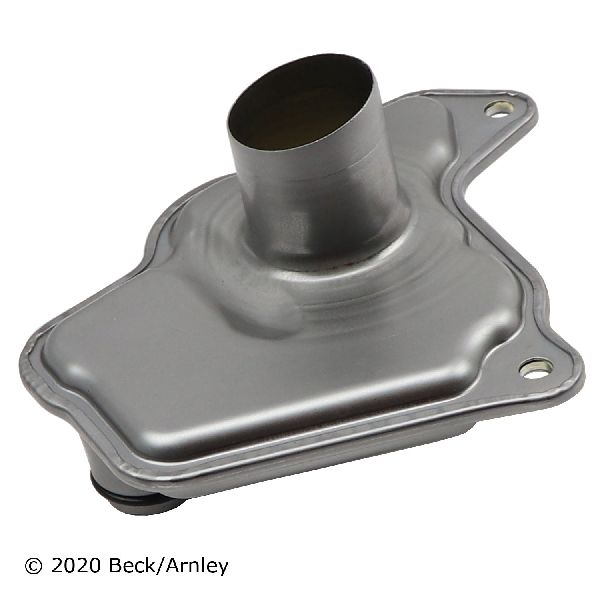
When shopping for a new transmission filter kit, you are typically buying the internal pan filter (strainer) and a new pan gasket. The external paper filter is usually sold separately. For your 2011-2017 Quest, both OEM and quality aftermarket parts are good options.
| Brand Tier | Details |
|---|---|
| OEM (Original Equipment Manufacturer) | Genuine Nissan parts are always a safe bet but come at a higher cost. They are guaranteed to fit and perform to factory standards. |
| Premium Aftermarket (e.g., Beck Arnley, Premium Guard) | Brands like Beck Arnley specialize in parts for foreign nameplates and aim to match OE form, fit, and function. Premium Guard also engineers their filters to meet OEM specifications. These brands offer a reliable alternative to OEM parts at a better price. |
Pro Tip: Replace Both Filters
If you are dropping the transmission pan to replace the internal strainer, it is highly recommended to also replace the small, external paper filter (Part # 31726-1XE0A). This ensures the entire system has fresh filtration and is a relatively inexpensive addition to the job.
Frequently Asked Questions (FAQ)

How often should I change my Quest's transmission filters?
While Nissan's service interval can be long, many mechanics recommend a CVT fluid and filter service every 30,000 to 60,000 miles to prevent common issues. Given the known sensitivity of these CVTs, more frequent service is cheap insurance against a major failure.
What kind of transmission fluid does the 2011-2017 Quest use?
This is critical. You MUST use the specific fluid formulated for this transmission. Use only Nissan CVT Fluid NS-2 or NS-3. Using any other type of ATF or universal fluid will cause damage to your transmission.
Can I just clean the internal transmission filter?
The internal filter is a metal mesh strainer. While it can be cleaned, it can be difficult to remove all trapped particles. Since a new aftermarket strainer kit is not expensive, replacing it is the recommended practice to ensure a clean system.
Is replacing the transmission filter a DIY job?
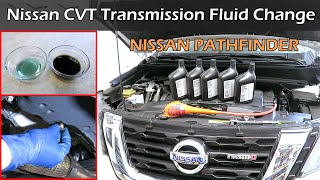
Replacing the external filter is very easy. Replacing the internal pan filter is more involved but manageable for an experienced DIYer. It involves safely raising the vehicle, draining the fluid, removing the transmission pan, replacing the filter and gasket, and refilling with the correct amount of fluid. The fluid level check procedure is specific, so it must be done correctly.
Helpful Videos
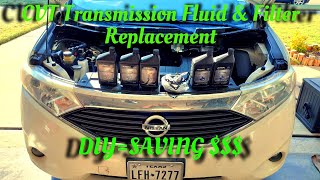
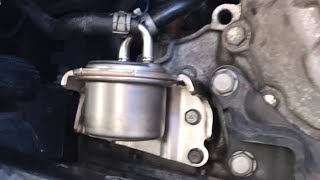
![How To Change CVT Transmission Fluid And Filters [Nissan Sentra/Juke/Versa 1.8L 2013-2019]](https://img.youtube.com/vi/6fUCxKcWkZI/mqdefault.jpg)
Technical Specifications
OEM Part Numbers: 31726-1XE0A (External Filter) 31728-1XZ0A (Internal Strainer/Filter) 31397-1XF0D (Pan Gasket)
Transmission Type: RE0F09B / RE0F10E CVT
We Have This Part in Stock

The information in this article is provided for general reference and educational purposes only. Vehicle specifications, procedures, and part compatibility can vary by production date, trim level, and region. Always consult your vehicle's factory service manual and verify part numbers before purchasing or performing repairs. Safety-critical components such as airbags, seat belts, and braking systems should be installed by a qualified professional.
- Nissan Quest: