

A Guide to the 2011-2017 Toyota Camry Vehicle Speed Sensor
Solve erratic speedometer and shifting problems by understanding your Camry's speed sensor.
- A faulty speed sensor on a 2011-2017 Camry typically causes an erratic speedometer, hard shifting, and an illuminated check engine light with code P0500.
- For this generation, the issue may stem from an individual ABS wheel speed sensor or the ABS module, not just a single transmission-mounted sensor.
- Reputable aftermarket brands like Delphi and Standard Ignition are cost-effective and reliable alternatives to more expensive OEM parts.
- While driving is possible, it's not recommended due to unpredictable transmission behavior and an unreliable speedometer, which pose safety risks.
Understanding Speed Sensor Issues in Your Camry

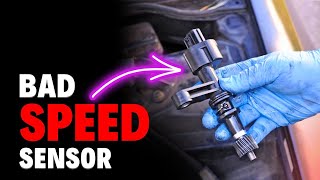
If your Toyota Camry's speedometer is jumping around, the transmission is shifting hard, or the check engine light is on, a faulty vehicle speed sensor could be the cause. For the 2011-2017 models, it's important to know that there isn't always a single, traditional VSS on the transmission. Instead, the car's computer often relies on the individual wheel speed sensors that are part of the ABS. A failure in this system can trigger the common P0500 trouble code.
Symptoms of a Failing Vehicle Speed Sensor

A bad speed sensor can cause several noticeable problems in your Camry. Because the sensor's data is used by multiple systems, a failure can have a ripple effect. You might experience one or more of the following issues:
- Erratic or Non-Working Speedometer: The needle may bounce, read an incorrect speed, or not move at all.
- Harsh or Delayed Transmission Shifting: The transmission may shift at the wrong times, hesitate, or feel jerky because it doesn't know the correct vehicle speed.
- Check Engine Light: A common symptom is the illumination of the check engine light, often with a P0500 diagnostic trouble code.
- Cruise Control Not Working: The cruise control system relies on a steady speed signal, so it will often fail to engage or will disengage unexpectedly.
- ABS or Traction Control Lights: Since the wheel speed sensors are part of the ABS, you may also see these warning lights on your dashboard.
Important Note for 2011-2017 Camry Owners
For this specific generation, the P0500 code doesn't always point to a single sensor on the transmission. The issue can be one of the wheel speed sensors or even the ABS module itself, which processes the signals before sending them to the main computer. A professional diagnosis is often needed to pinpoint the exact faulty component.
Choosing the Right Aftermarket Part

When replacing a speed sensor, you have the choice between an Original Equipment Manufacturer (OEM) part from Toyota and an aftermarket part. OEM parts are a guaranteed fit but come at a higher price. High-quality aftermarket brands offer a reliable and more affordable alternative.
- Delphi: Delphi is a well-known brand that is often an OEM supplier for various car manufacturers. Their sensors are generally considered to be of good quality and a dependable choice for replacement parts.
- Standard Ignition (SMP): Standard Motor Products is a respected name in the aftermarket industry. They produce a wide range of sensors and electronic components that meet or exceed OEM specifications, making them a solid option for your Camry.
For electronic sensors like the VSS, sticking with reputable aftermarket brands like Delphi or Standard Ignition is a smart move. They provide a good balance of quality and cost, avoiding the risks associated with cheaper, unbranded parts.
Typical Replacement Costs
The cost to replace a vehicle speed sensor can vary depending on the part's location and local labor rates. For the 2011-2017 Camry, the diagnosis can sometimes be more complex than the repair itself.
| Part/Service | Estimated Cost |
|---|---|
| New OEM Sensor | $130 - $200 |
| New Aftermarket Sensor (Delphi, Standard Ignition) | $177 - $312 |
| Shop Labor | $80 - $150 |
Frequently Asked Questions (FAQ)

Where is the vehicle speed sensor located on a 2011-2017 Toyota Camry?
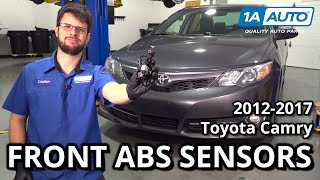
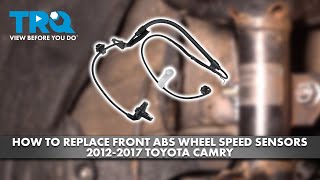
On this generation Camry, there are multiple sensors involved. Each wheel has an ABS wheel speed sensor located at the wheel hub, behind the brake rotor. Some models also have input (NT) and output (NC) speed sensors on the transmission itself, often located under the battery or airbox. The P0500 code is often related to the signal coming from the ABS module, which collects data from the wheel sensors.
Can I replace a speed sensor myself?
Yes, if you have basic mechanical skills and tools. Replacing a wheel speed sensor involves removing the wheel, undoing a single bolt (usually 10mm), and disconnecting the electrical connector. Accessing sensors on the transmission may require removing the battery and its tray or the air filter housing. The main challenge can be diagnosing which sensor has failed.
What is the difference between an input (NT) and output (NC) speed sensor?
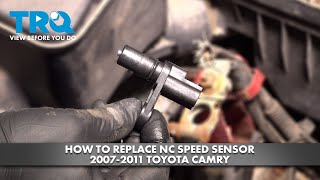
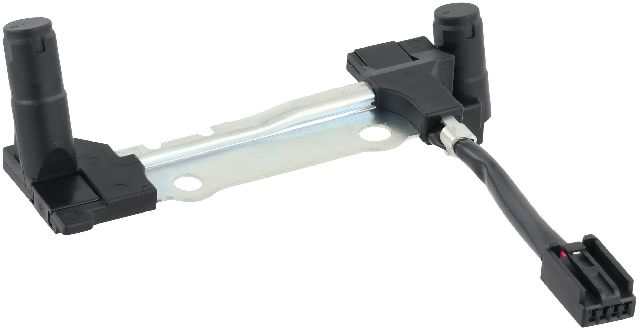
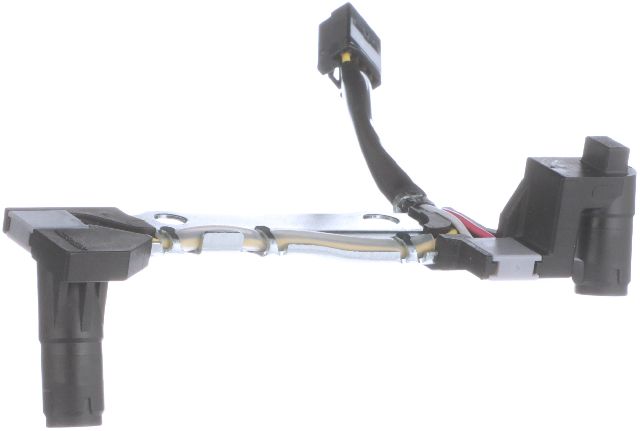
The transmission has two main speed sensors. The Input Speed Sensor (NT) measures the speed of the transmission's input shaft, while the Output Speed Sensor (NC) measures the speed of the output shaft. The output sensor's reading is what's typically used for the speedometer. A problem with either can cause shifting issues.
Will a bad VSS cause my car to fail an emissions test?
Yes, if the check engine light is on, your vehicle will automatically fail an emissions test in most states. Even if other symptoms aren't severe, an illuminated check engine light from a P0500 code needs to be fixed to pass inspection.
Helpful Videos


Technical Specifications
OEM Part Numbers: 89413-08020 89413-24010 89413-33020 89411-33010
For the 2011-2017 Camry, the vehicle speed signal is often a pulse-modulated signal generated by the ABS module from the inputs of the individual wheel speed sensors. There are also typically two sensors on the transmission itself: an input (NT) and output (NC) sensor, which are held in by a single 12mm bolt.
We Have This Part in Stock


The information in this article is provided for general reference and educational purposes only. Vehicle specifications, procedures, and part compatibility can vary by production date, trim level, and region. Always consult your vehicle's factory service manual and verify part numbers before purchasing or performing repairs. Safety-critical components such as airbags, seat belts, and braking systems should be installed by a qualified professional.
- Toyota Camry: