

Audi A4 Quattro High-Pressure Fuel Sensor Guide (2011-2018)
Address check engine lights, stalling, and rough idle by understanding the G247 fuel pressure sensor in your B8.5 Audi A4.
- The high-pressure fuel sensor (G247) is a common failure point on 2011-2018 Audi A4s, causing stalling, rough idle, and a P0087 code.
- Replacement is a DIY-friendly job that takes under an hour with basic tools, but you must relieve fuel pressure first.
- While budget brands are available, choosing a quality aftermarket brand like Vemo or Standard Ignition is recommended for this critical sensor to avoid repeat failures.
- If you smell fuel, inspect the sensor immediately for physical cracks or leaks, as this poses a serious fire hazard.
High-Pressure vs. Low-Pressure Sensors

Your Audi A4 has two fuel pressure sensors. One is a low-pressure sensor (G410) that monitors pressure from the in-tank fuel pump. The other is the high-pressure sensor (G247) located on the engine's high-pressure fuel pump or fuel rail. This article focuses on the high-pressure G247 sensor, as it is a more common failure point that leads to noticeable performance issues.
Common Symptoms of a Failing Fuel Pressure Sensor

When the G247 sensor starts to fail, your car's computer gets incorrect information about the fuel pressure. This can lead to several problems:
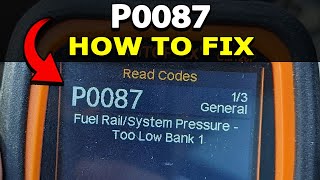
- Check Engine Light: This is often the first sign. You will likely see fault code P0087, which means "Fuel Rail/System Pressure - Too Low".
- Rough Idle: The engine may shake or stumble when the car is stopped.
- Stalling: The engine might die when you come to a stop or shortly after starting.
- Hard Starting: The engine may take longer than usual to start because the computer can't confirm the correct fuel pressure for ignition.
- Loss of Power: You may feel like the car is sluggish or doesn't accelerate as it should, especially when you need more power like going uphill.
- Poor Fuel Economy: If the sensor causes the engine to run rich (too much fuel), you'll notice a drop in gas mileage.
Physical Failure
In some cases, the sensor itself can fail physically. One owner reported the plastic housing of the sensor cracked and began spraying fuel in the engine bay, which is a critical fire hazard. If you smell fuel, stop driving and inspect the engine area immediately.
Choosing the Right Aftermarket Fuel Pressure Sensor

When replacing the fuel pressure sensor, you have a choice between OEM (Original Equipment Manufacturer) and aftermarket parts. For a critical component like this on a German vehicle, quality is key.
- OEM: The original part is typically made by Bosch for Audi. This is the safest but most expensive option.
- Vemo: Vemo is a well-regarded German aftermarket brand that specializes in sensors and electronics. They are often considered an OE-quality equivalent and are a strong choice for reliability without the full OEM price.
- Standard Ignition (SMP): Standard Motor Products is a reputable American company. Their parts are generally considered reliable and a solid mid-tier option.
- Dorman: Dorman offers a direct replacement part and is widely available. However, their reputation for electronic sensors can be mixed. While it may be the most budget-friendly option, some owners prefer to use brands with a stronger track record for engine management components.
- Global Parts: This brand is less commonly discussed in owner forums for this specific part, making it harder to assess its long-term reliability compared to others.
Pro Tip: For critical sensors, spending a little more on a brand known for quality, like Vemo or Standard Ignition, can prevent future headaches and ensure your Audi runs as it should. Sometimes, a faulty new part can cause new problems, like misfires, making diagnosis even more difficult.
Estimated Replacement Costs
The cost to replace the high-pressure fuel sensor can vary based on the part brand you choose and local labor rates.
| Item | Estimated Cost |
|---|---|
| New OEM Sensor | $180 - $240 |
| New Aftermarket Sensor | $74.87 - $150.26 |
| Shop Labor | $90 - $150 |
| Total Estimated Cost (Aftermarket) | $165 - $300 |
Frequently Asked Questions (FAQ)

Is this a difficult part to replace myself?
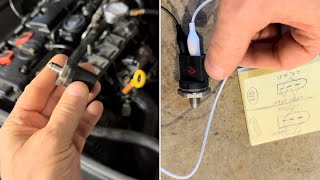
No, for a moderately experienced DIYer, this is a manageable job. The high-pressure sensor (G247) is usually located on the fuel rail on top of the engine and is accessible after removing the engine cover. You will need basic tools like a Torx bit (T30) and a deep 27mm socket. It is critical to release the fuel pressure from the system via the Schrader valve before removing the old sensor to prevent fuel spray. The job typically takes less than an hour.
Are there any recalls for this part?
There are no specific recalls for the fuel pressure sensor on the 2011-2018 Audi A4 Quattro. However, there have been recalls for related fuel system components like fuel rails and fuel lines on other Audi models, so it's always wise to check for any open recalls on your specific vehicle using your VIN.
What is a TSB? Is there one for this sensor?
A Technical Service Bulletin (TSB) is a guide from the manufacturer to help technicians diagnose and repair common problems. Audi has issued TSBs related to diagnosing fuel pressure issues. TSB 2027306 provides steps for testing the G247 sensor to confirm it's faulty before replacing it. Another TSB, 2015106, addresses issues with the low-pressure sensor (G410) that can cause similar fault codes.
What happens if I ignore a bad fuel pressure sensor?
Ignoring a failing fuel pressure sensor can lead to more serious issues. Your car will continue to run poorly, with stalling and hard starting becoming more frequent. In a worst-case scenario, the engine could run so lean or rich that it causes damage to other components, or a physical leak could create a fire risk.
Helpful Videos

Technical Specifications
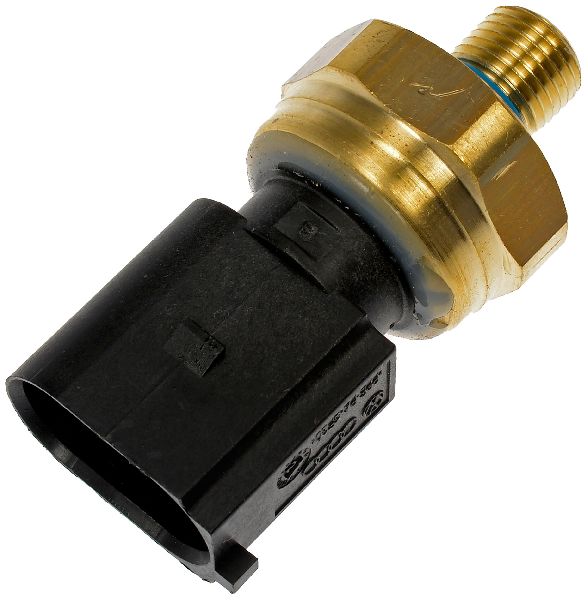
OEM Part Numbers: 06J906051D 06H906051K 06H906051J 06H906051G 06H906051F 06H906051E
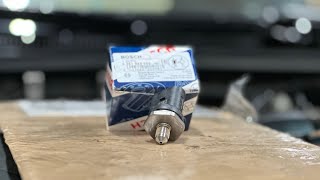
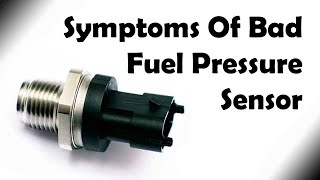
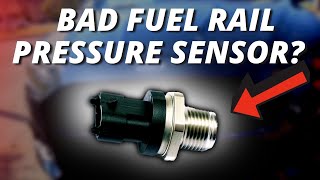
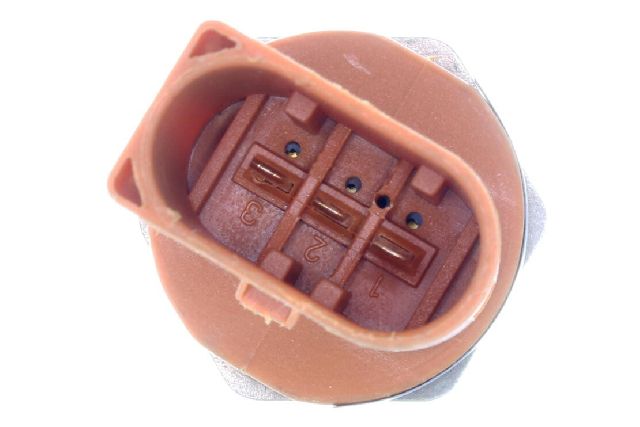
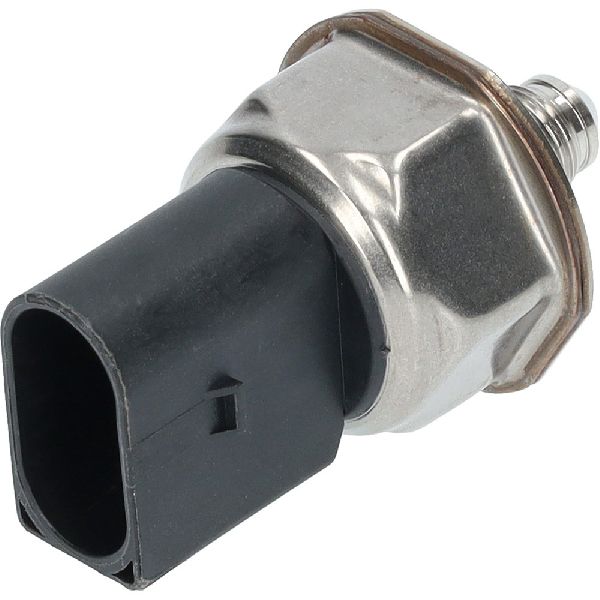
This is the high-pressure sensor, often designated G247, located on the fuel rail. It has a 3-pin D-shaped electrical connector.
We Have This Part in Stock


The information in this article is provided for general reference and educational purposes only. Vehicle specifications, procedures, and part compatibility can vary by production date, trim level, and region. Always consult your vehicle's factory service manual and verify part numbers before purchasing or performing repairs. Safety-critical components such as airbags, seat belts, and braking systems should be installed by a qualified professional.
- Audi A4 Quattro: