

A Guide to the A/C System O-Ring and Gasket Kit for the 2011-2018 Audi A6
Losing your cool? This guide explains how to fix the most common source of A/C leaks in your Audi A6.
- A loss of cold air is almost always due to a refrigerant leak, and dried-out o-rings are a primary cause.
- Always use new o-rings whenever you disconnect an A/C line; they cannot be reused.
- Confirm your vehicle's refrigerant type (R-134a is most common) by checking the under-hood sticker before servicing.
- Replacement requires specialized equipment to recover and recharge the refrigerant, making it a job for a professional shop.
Is Your A6 A/C Blowing Warm Air?
If the air from your vents isn't cold, the first thing to suspect is a refrigerant leak. Over time, the rubber o-rings in the A/C system can get hard, crack, and fail. This allows the refrigerant gas to leak out. When the refrigerant level gets too low, the system can no longer cool the air effectively, and a pressure sensor will prevent the compressor from turning on to avoid damage. While a major component like the compressor or condenser can fail, a leak from a dried-out o-ring is a very common and much cheaper problem to fix.
Symptoms of a Failing A/C O-Ring
Spotting a bad o-ring is about noticing the signs of a refrigerant leak. Look for these clues:
- Weak or Warm Air: The most obvious sign is air from the vents that isn't as cold as it used to be, or isn't cold at all.
- A/C Compressor Won't Turn On: If the system pressure is too low from a leak, the compressor will not engage.
- Visible Oily Residue: Refrigerant contains a special oil. A leak can leave a greasy film on A/C hoses, fittings, or under the car. If a UV dye has been added, the leak will glow brightly under a blacklight.
- Hissing Sound: A significant leak might produce a hissing sound from the engine bay for a short time after the car is turned off, but this is rare.
A Note on the A/C Pressure Sensor
A common issue on the 2011-2018 Audi A6 is a faulty A/C pressure sensor (part number G395), which can cause the A/C to stop working and may trigger a fault code (00256). This sensor has its own o-ring that must be replaced with it. If you have this specific fault code, the sensor itself is likely the problem, not just a random o-ring elsewhere in the system.
Choosing the Right Aftermarket Kit
When you open any part of your A6's A/C system for a repair, you must use new o-rings. Reusing old ones will guarantee a leak. You can buy individual o-rings from an Audi dealer, but a complete aftermarket kit is often more convenient and cost-effective.
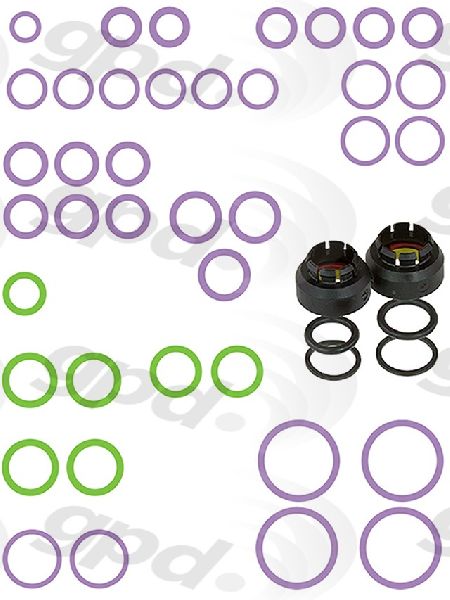
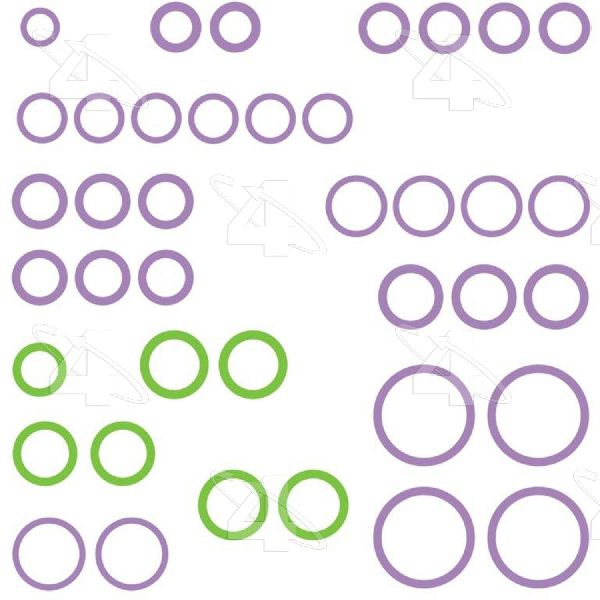
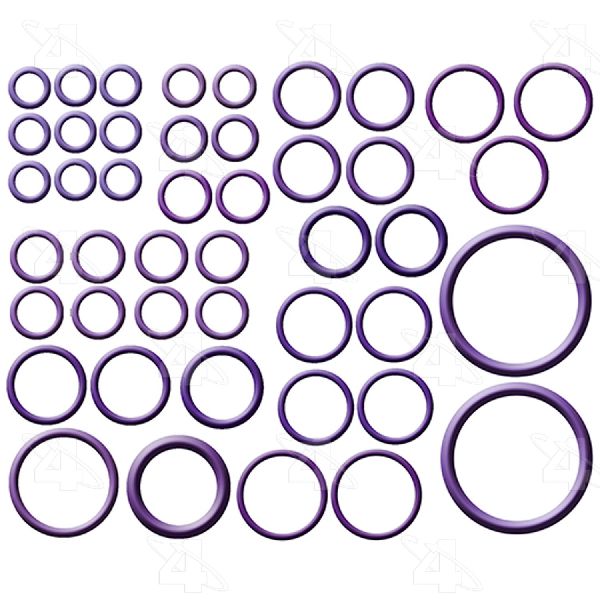
For a simple component like an o-ring, aftermarket quality is generally very good. The most important factor is that the seals are made from the correct material (usually HNBR) to withstand the refrigerant and oil. Brands like Four Seasons and Global Parts (GPD) are widely available.
- Four Seasons: A very established aftermarket brand for A/C components. Their seal kits are generally considered reliable and a good value for this type of repair.
- Global Parts (GPD): Another common aftermarket supplier. While they offer a wide range of parts, some user reviews suggest being cautious with their more complex components like compressors. For a seal kit, they are a viable budget-friendly option.
Pro Tip: An aftermarket kit is a smart buy even if you only need one o-ring. Having the complete set on hand means you won't have to stop a repair to run out and find the one other seal you accidentally damaged.
Cost of Replacing A/C O-Rings on a 2011-2018 Audi A6
| Part / Service | Estimated Cost |
|---|---|
| Aftermarket A/C O-Ring Kit | $18 - $63 |
| Shop Labor (including A/C Evacuate & Recharge) | $250 - $450 |
| Total Estimated Cost | $270 - $515 |
Note: Labor costs can vary significantly based on your location and which o-ring needs replacement. The main cost is the A/C service, not the part itself.
Frequently Asked Questions
Do I need to replace all the o-rings at once?
No. You only need to replace the o-ring for the specific connection you are opening. However, it is best practice to replace any seals on components you remove to gain access. Since the biggest cost is the labor to evacuate and recharge the system, it's wise to fix any known leaks at the same time.
What type of refrigerant does my 2011-2018 A6 use?
Most vehicles in this year range use R-134a refrigerant. However, some very late models (2017-2018) could potentially use the newer R1234yf. Always check the sticker under your hood to be 100% certain before buying refrigerant or parts.
Can I replace A/C o-rings myself?
While physically swapping the o-ring is simple, the job requires special equipment. It is illegal and harmful to the environment to release refrigerant into the atmosphere. A professional shop must use a machine to recover the old refrigerant before you start work, and then vacuum-test and recharge the system after you're done. Because of this, it is not a typical DIY job.
Are there any recalls for my Audi A6's A/C system?
No. As of early 2026, there are no active recalls from the NHTSA for the A/C o-rings or general system leaks on the 2011-2018 Audi A6.
What is TSB 2044717-2 about an A/C 'whine'?
Audi released a Technical Service Bulletin for a high-pitched whining noise that can occur when the A/C is on low. Audi states this is not a sign of a part failure or a leak, but an acoustic issue. It does not require replacing any o-rings unless the system is opened for the TSB's prescribed flush and oil refill procedure.
Technical Specifications
OEM Part Numbers: 8E0260749 4E0260749A 7H0820896
Refrigerant Type: R-134a (verify on vehicle sticker). O-Ring Material: HNBR (Hydrogenated Nitrile Butadiene Rubber).
We Have This Part in Stock




The information in this article is provided for general reference and educational purposes only. Vehicle specifications, procedures, and part compatibility can vary by production date, trim level, and region. Always consult your vehicle's factory service manual and verify part numbers before purchasing or performing repairs. Safety-critical components such as airbags, seat belts, and braking systems should be installed by a qualified professional.
- Audi A6: