

A Guide to the High Pressure Fuel Pump for the 2011-2018 Audi A6
Understand the symptoms of a failing high pressure fuel pump and how to choose the right aftermarket replacement for your A6.
- A failing HPFP will cause a Check Engine Light (often code P0087), loss of power, hesitation, and hard starting.
- Do not drive your A6 if you suspect a failing HPFP, as engine stalling is a significant safety risk.
- When replacing, also change the cam follower; it's an inexpensive part that is critical for the new pump's longevity.
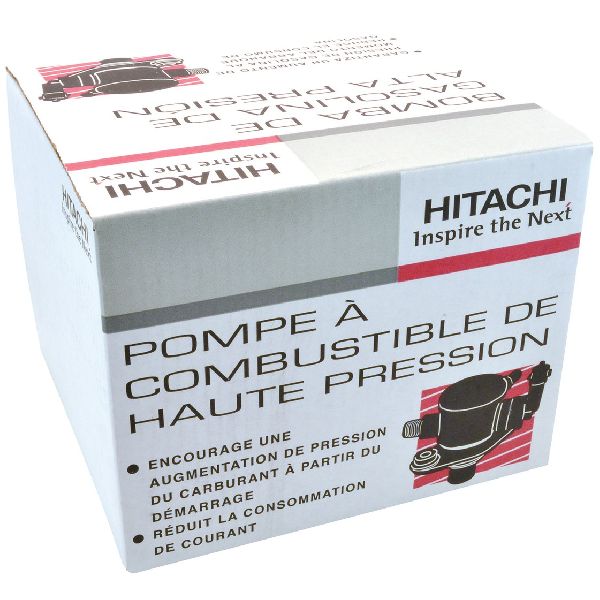
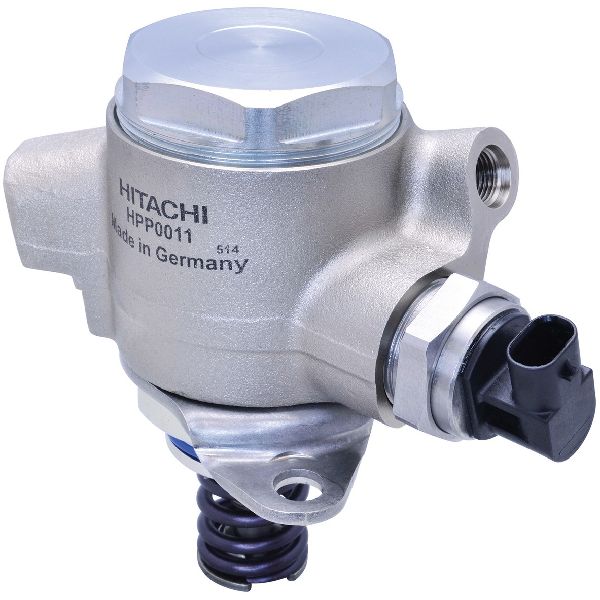
- While budget aftermarket pumps exist, choosing a premium brand like Hitachi or Delphi is a safer investment for this critical component.
Symptoms of a Failing High Pressure Fuel Pump
When the HPFP in your 2011-2018 Audi A6 starts to fail, it can cause noticeable problems. The engine isn't getting the consistent, high-pressure fuel it needs to run properly. You should watch for these signs:
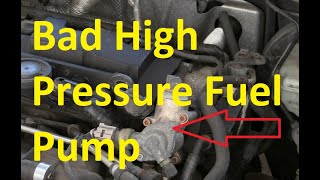
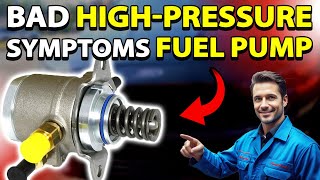
🎬 Watch: A quick breakdown of common HPFP failure symptoms.- Check Engine Light: This is often the first sign. A common trouble code is P0087, which means the fuel rail pressure is too low.
- Loss of Power: Your A6 may feel sluggish, especially when you accelerate hard, go uphill, or try to merge onto the highway. The car might even go into a reduced-power "limp mode."
- Engine Hesitation or Stuttering: The car may jerk or hesitate when you press the gas pedal. This happens because the pump can't keep up with the engine's demand for fuel.
- Hard Starting: The engine might take longer than usual to start because the fuel system isn't reaching the right pressure quickly.
- Rough Idle: The engine may run unevenly or shake while idling.
- Engine Stalling: In serious cases, the engine can stall unexpectedly, which is a major safety risk.
Fuel Smell in Oil
If the pump fails internally, it can leak gasoline into the engine oil. If you smell fuel on your dipstick, stop driving the car immediately. Diluted oil can cause severe engine damage.
Choosing an Aftermarket HPFP: OEM vs. Aftermarket
When replacing the HPFP on your A6, you have a choice between Original Equipment Manufacturer (OEM) parts and aftermarket parts. OEM parts are the same as what Audi installed at the factory. Aftermarket parts are made by other companies.
For a critical part like the HPFP, quality is very important. The original pumps are often made by brands like Bosch or Hitachi. High-quality aftermarket brands like Delphi, Hella, and Hitachi often provide a good balance of quality and price. They are established manufacturers who also supply parts to carmakers. Brands like Beck Arnley, Spectra, and Standard Ignition offer more budget-friendly options, but quality can vary. Some owners have used less expensive aftermarket pumps without issues, while others report premature failures. Given the importance of this part, choosing a well-regarded brand is a safer investment.
Aftermarket Brand Tiers (General Guide)
| Tier | Brands | General Assessment |
|---|---|---|
| Premium Aftermarket | Delphi, Hella, Hitachi | Often OEM suppliers. Quality is generally considered reliable and very close to the original part. A good balance of cost and performance. |
| Standard Aftermarket | Beck Arnley, Standard Ignition, Spectra | A more budget-conscious choice. Quality can be inconsistent. Best for those on a tight budget who understand the potential trade-off in longevity. |
Known Issues, Recalls, and Service Bulletins
While there are no widespread recalls specifically for the HPFP on all 2011-2018 A6 models, related issues have been noted. A recall was issued for some 2012-2013 A6 and A7 models for a fuel hose that could degrade and leak. Another recall for 2016-2018 A6 models concerned fuel rails that could leak. Audi also released a Technical Service Bulletin (TSB) advising technicians to perform a full diagnosis for code P0087 before replacing the HPFP, as other issues could be the cause. Always check for recalls using your vehicle's VIN on the NHTSA website.
Don't Forget the Cam Follower
The HPFP is driven by the engine's camshaft via a small part called a cam follower. While not as prone to failure on this generation of Audi as on older ones, it is highly recommended to replace this inexpensive part whenever you replace the HPFP. A worn follower can damage a new pump.
Frequently Asked Questions (FAQ)
Is it safe to drive with a failing HPFP?
No. A failing HPFP can cause the engine to stall at any time, which is a serious safety hazard, especially in traffic or at highway speeds. If you suspect your HPFP is failing, you should have the vehicle inspected as soon as possible.
What is the difference between the low-pressure and high-pressure fuel pumps?
Your Audi has two fuel pumps. The low-pressure fuel pump (LPFP) is in the fuel tank and sends fuel to the engine at a low pressure (around 40-75 PSI). The high-pressure fuel pump (HPFP) is on the engine and boosts that pressure to over 2,000 PSI for the direct injection system. A no-start condition is often the LPFP, while a loss of power while running is more typical of the HPFP.
Can I replace the HPFP myself?
This is a job for an experienced DIY mechanic. It requires working with the high-pressure fuel system, which can be dangerous. The system must be properly depressurized before work begins. The job involves removing fuel lines and other components to access the pump. If you are not comfortable with this, it is best to leave it to a professional mechanic.
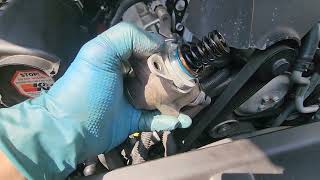
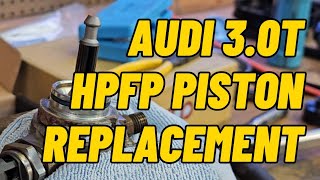
🎬 Watch: Step-by-step replacement procedure for the Audi V6 engine.Why is there a P0087 code?
P0087 stands for "Fuel Rail/System Pressure - Too Low." This means the fuel pressure sensor has detected that the pressure in the fuel rail is below the required level. While a failing HPFP is a common cause, the code can also be triggered by a clogged fuel filter, a weak in-tank fuel pump, a leaking injector, or a bad pressure sensor. Proper diagnosis is key before replacing parts.
🎬 See how to diagnose and fix the P0087 trouble code.Helpful Videos


Technical Specifications
OEM Part Numbers: 06J127025L 06J127025G
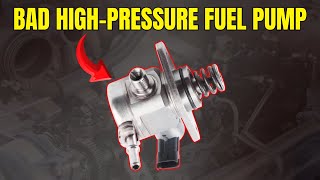
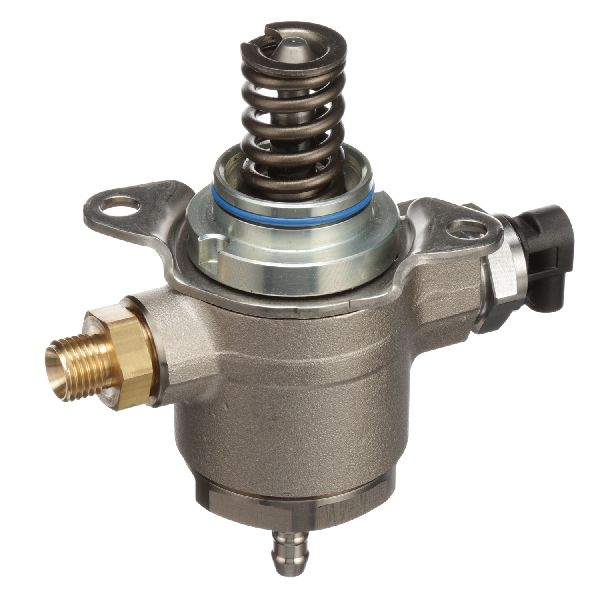
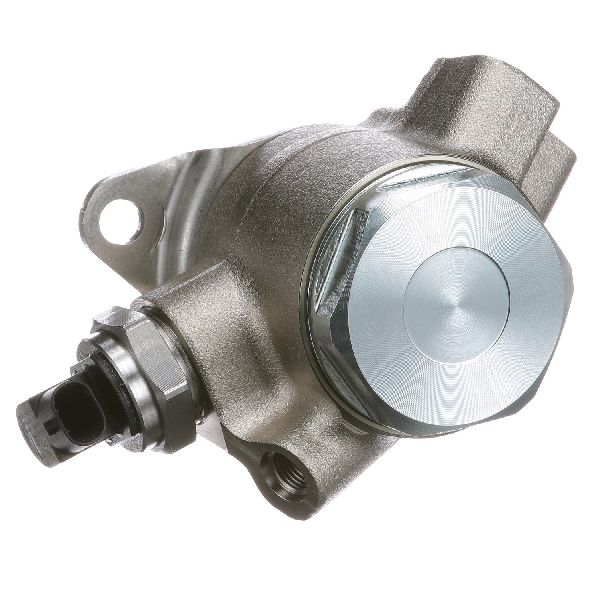
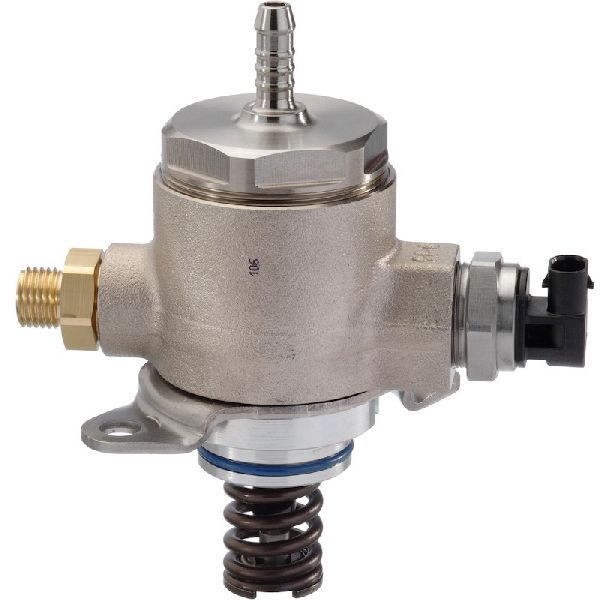
This is a mechanical pump driven by the engine's camshaft. It works in conjunction with an in-tank electric low-pressure fuel pump to supply the engine's direct injection system.
We Have This Part in Stock


The information in this article is provided for general reference and educational purposes only. Vehicle specifications, procedures, and part compatibility can vary by production date, trim level, and region. Always consult your vehicle's factory service manual and verify part numbers before purchasing or performing repairs. Safety-critical components such as airbags, seat belts, and braking systems should be installed by a qualified professional.
- Audi A6:
- 🎬 Helpful Videos
- 🛍️ Shop This Part
- Symptoms of a Failing High Pressure Fuel Pump
- Fuel Smell in Oil
- Choosing an Aftermarket HPFP: OEM vs. Aftermarket
- Aftermarket Brand Tiers (General Guide)
- Known Issues, Recalls, and Service Bulletins
- Don't Forget the Cam Follower
- Frequently Asked Questions (FAQ)
- 🎟️ Get 5% Off