

Audi A6 Engine Coolant Temperature Sensor Guide (2011-2018)
Understand the symptoms of a failing coolant temperature sensor and learn how to choose the right replacement for your C7 Audi A6.
- A bad ECT sensor can cause a Check Engine Light, poor fuel economy, overheating, and rough running.
- For this part, it is strongly recommended to use an OEM or OE-supplier brand like Hella, Delphi, or NGK to ensure accuracy.
- Check for open recalls related to the cooling system, as some 2.0T models had issues with the electric coolant pump.
- The sensor's location and replacement difficulty vary significantly between the 2.0T and 3.0T engines.
Is Your Audi A6 Engine Coolant Sensor Failing?

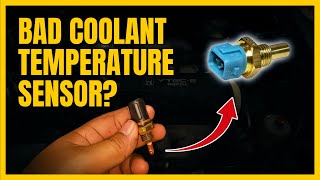
A faulty Engine Coolant Temperature (ECT) sensor can cause a surprising number of issues with your 2011-2018 Audi A6. Because the sensor's reading affects so many engine functions, a bad signal can lead to everything from poor performance to a no-start condition. Recognizing the symptoms early can save you from further headaches and more expensive repairs.
Common Symptoms of a Bad ECT Sensor:
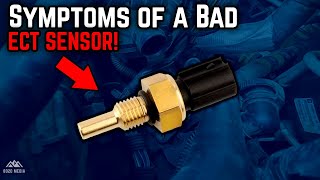
🎬 Watch this breakdown of common symptoms you shouldn't ignore.- Check Engine Light: This is often the first sign. You may see codes like P0118 (Engine Coolant Temperature Circuit High Input), P0116, P0117, or P2181.
- Poor Fuel Economy: If the sensor incorrectly tells the computer the engine is cold, the computer will enrich the fuel mixture, causing the car to use more gas than necessary.
- Black Smoke from Exhaust: A very rich fuel mixture may not burn completely, leading to black smoke from the tailpipe.
- Engine Overheating or Running Too Cool: A bad sensor can fail to trigger the cooling fans when needed, leading to overheating. Conversely, if the gauge never seems to reach the normal 90°C operating temperature, especially on the highway, the sensor or thermostat could be at fault.
- Rough Idling or Misfiring: Incorrect fuel and timing adjustments can cause the engine to run poorly.
- Hard Starting: The ECM relies on the coolant temperature to set the proper conditions for starting a cold or hot engine.
Known Issues: Recalls and TSBs
🎬 See the most common coolant system failures for 3.0T engines.While there are no direct recalls for the Engine Coolant Temperature Sensor itself on the 2011-2018 A6, there are related service actions. Audi issued recalls (NHTSA 19N4 / 74D5) for certain 2.0T engines within this year range for an electric coolant pump that could short circuit and pose a fire risk. Additionally, Technical Service Bulletin (TSB) 2077593_2 mentions DTCs related to the ECT sensor (like P0116) that may be resolved with an engine control module software update. It's wise to check with an Audi dealer to see if your vehicle's VIN is affected by these campaigns.
Choosing the Right Aftermarket Sensor

For a critical electronic sensor on a German vehicle like your A6, part quality matters. While many aftermarket options are available, they are not all created equal. Using a low-quality sensor can result in incorrect readings, leading to persistent performance issues even after the part is replaced.
Brand Quality Tiers for Your Audi A6
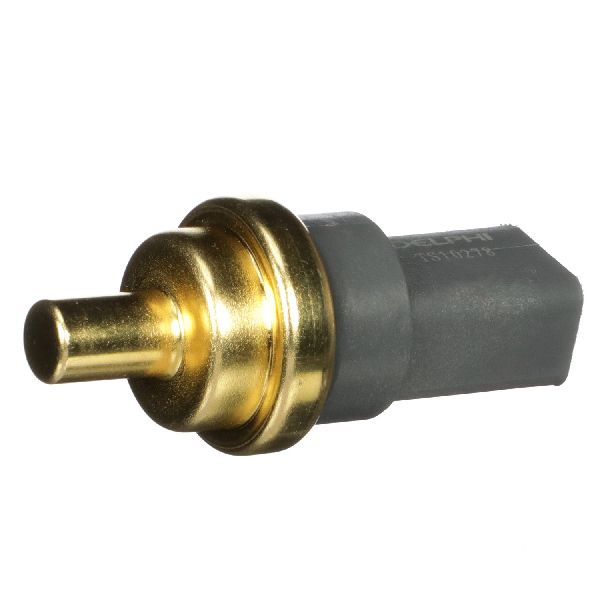
- OE Supplier Brands (Highest Quality): Brands like Hella, Delphi, and NGK (NTK) are often the original equipment manufacturers for Audi. Choosing one of these brands gives you the highest confidence that the part will perform exactly like the one that came from the factory. They are the most recommended choice for fit and accuracy.
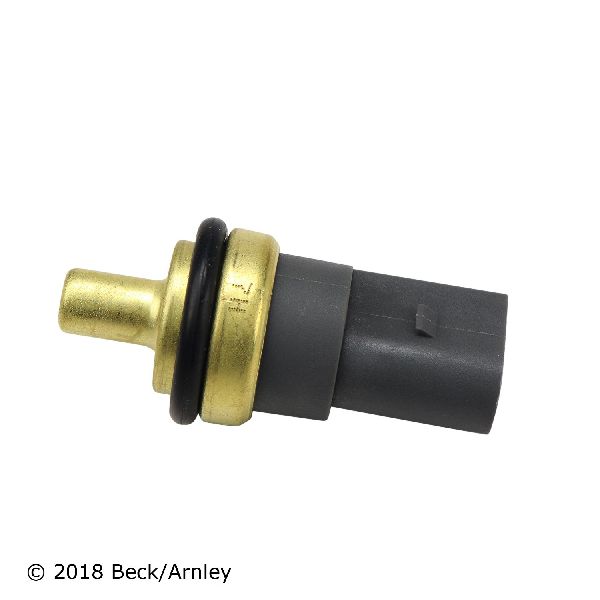
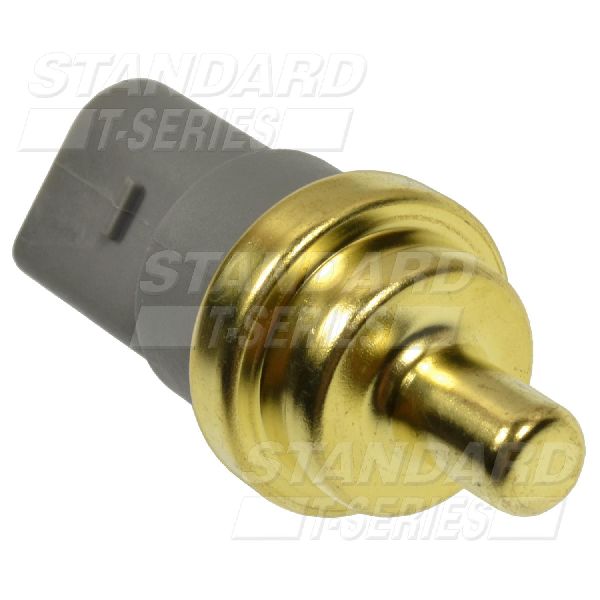
- Quality Aftermarket Brands (Good Value): Brands such as Beck Arnley and Standard Ignition (SMP) have a solid reputation for producing reliable parts that meet or exceed OEM specifications. They are a dependable choice if an OE supplier part is not available.
- Budget-Friendly Brands (Use with Caution): Brands like Vemo, Facet, Four Seasons, and others offer a lower price point. While tempting, some owners report issues with the accuracy and longevity of budget electronic parts on European cars. These may be suitable for a temporary fix, but for long-term reliability, sticking to higher-tier brands is recommended.
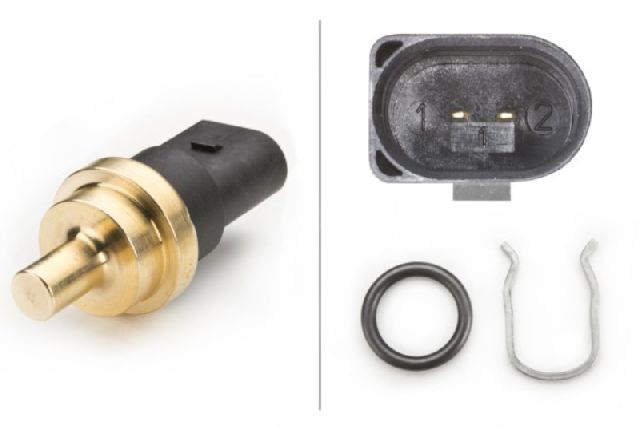
Pro Tip: When replacing the sensor, it's also a good idea to replace the small O-ring seal and the retaining clip. These often come with the new sensor but check to be sure. A fresh seal prevents coolant leaks, which are a common failure point.
| Part Type | Estimated Cost |
|---|---|
| New OEM | $45 - $75 |
| New Aftermarket | $13 - $65 |
| Shop Labor | $90 - $180 |
Frequently Asked Questions

Where is the Engine Coolant Temperature Sensor located on my Audi A6?
The location can vary depending on your engine. On the 3.0T V6 engine, a primary sensor is located on the front coolant crossover pipe, underneath the supercharger. On the 2.0T 4-cylinder engine, it is often found on the water pump assembly, which is located under the intake manifold. Some models may have more than one coolant temperature sensor. Always verify the location for your specific engine before beginning work.
Is this a difficult part to replace myself? 🎬 Follow this step-by-step guide to replace your coolant temperature sensor.
The difficulty varies greatly by engine. On the 3.0T, if it's the sensor on the front crossover pipe, it can be a relatively quick job (under 30 minutes) that doesn't require draining all the coolant. However, for the 2.0T, accessing the sensor may require removing the intake manifold, making it a more involved job. If you are not comfortable with this level of work, it's best to consult a professional.
Should I buy an OEM or Aftermarket ECT sensor?
For sensitive electronics on an Audi, it is highly recommended to use either a genuine OEM part or a part from an OE supplier like Hella, Delphi, or NGK/NTK. While cheaper aftermarket sensors are available, they have a higher risk of providing inaccurate readings, which can cause persistent running issues and Check Engine lights.
Do I need to drain the coolant to replace the sensor?
Not always. If you are quick, you can often swap the sensor without draining the entire cooling system, losing only a small amount of coolant. Having the new sensor ready to install immediately after removing the old one will minimize coolant loss. Be sure the engine is completely cool before attempting this to avoid burns.
Helpful Videos

Technical Specifications
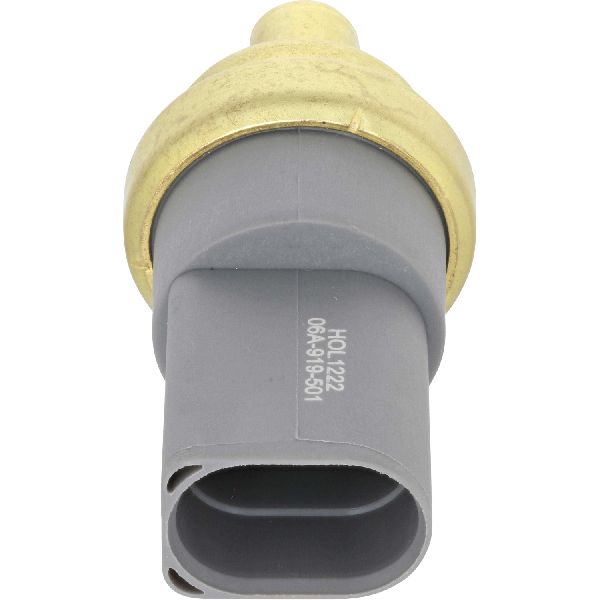
OEM Part Numbers: 06A919501A 079919525M 059919501A
Typically a 2-pin or 4-pin NTC (Negative Temperature Coefficient) thermistor sensor. It is secured by a plastic or metal clip and sealed with a rubber O-ring.
We Have This Part in Stock


The information in this article is provided for general reference and educational purposes only. Vehicle specifications, procedures, and part compatibility can vary by production date, trim level, and region. Always consult your vehicle's factory service manual and verify part numbers before purchasing or performing repairs. Safety-critical components such as airbags, seat belts, and braking systems should be installed by a qualified professional.
- Audi A6: