

A Guide to Replacing Disc Brake Pads on the 2011-2018 BMW 318i
Learn how to choose the right aftermarket brake pads for your BMW 318i to ensure safety and performance.
- Always replace the brake wear sensor (one front, one rear) when you replace your brake pads to ensure the warning system functions correctly.
- Choose pads based on your priorities: Textar offers an OEM feel with lots of dust, while other aftermarket pads may offer lower dust at the cost of a different brake feel.
- Be aware of TSBs for the F30 chassis related to brake squeal and ticking noises, which may require specific lubrication or parts.
- If you experience vibration when braking, it could be due to uneven pad deposits on the rotors, a common issue that may require rotor replacement.
Symptoms of Worn Brake Pads
The most obvious sign you need new brake pads is the brake warning light on your dashboard. This is triggered by the brake wear sensor when the pad material becomes too thin. Other common symptoms include a squealing or grinding noise when you apply the brakes, your car taking longer than usual to stop, or a vibrating or pulsating feeling in the brake pedal.
Choosing the Right Aftermarket Brake Pads
When replacing brake pads on your 318i, you have options outside of the expensive dealership parts. Aftermarket pads can offer similar or even better performance, often with benefits like reduced brake dust. Original BMW pads are known for their strong initial bite but also for producing a lot of dust that can make your wheels dirty.
Brand Options for Your BMW 318i
Not all aftermarket brands are created equal. For a premium German vehicle, it's important to choose a quality brand to maintain safety and performance.
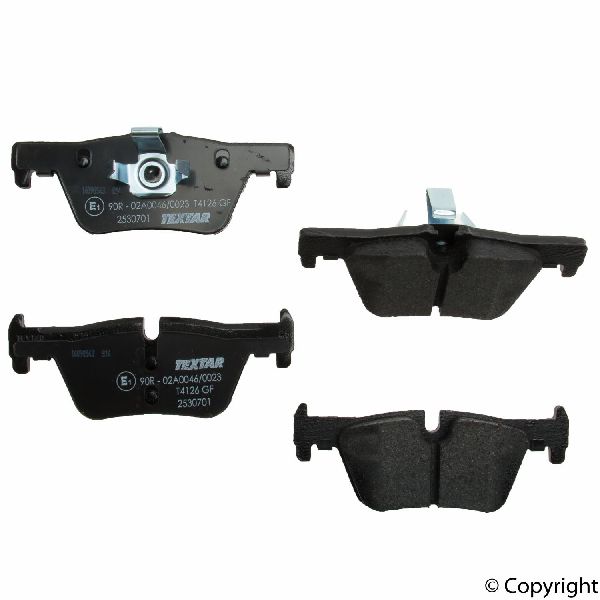
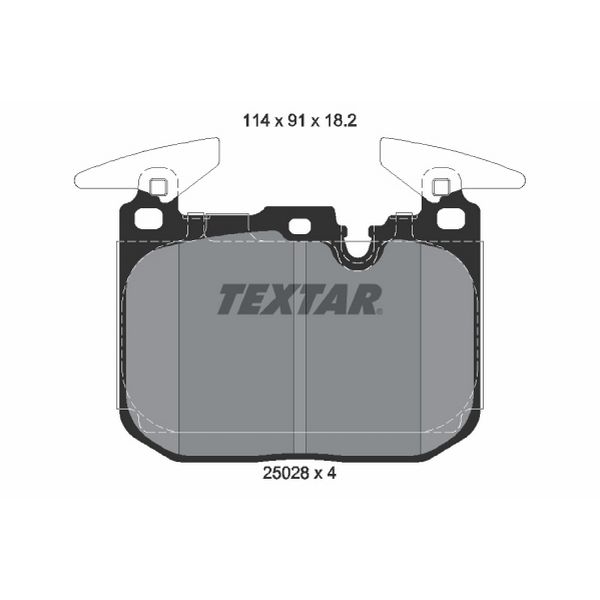
- Textar: This brand is often an Original Equipment Manufacturer (OEM) for BMW. This means their aftermarket pads will provide a feel and performance very similar to the original factory pads, including strong initial bite and, unfortunately, significant brake dust. While many consider them a top choice, some users have reported noise and vibration issues.
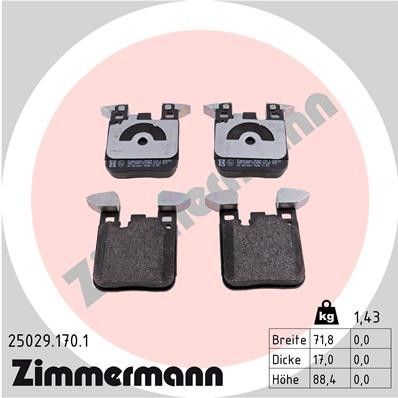
- Zimmermann: Zimmermann is another well-respected German brand, known for making high-quality rotors and pads. They are often considered an OEM-level alternative and are a popular choice for BMW owners looking for reliable, vibration-free performance.
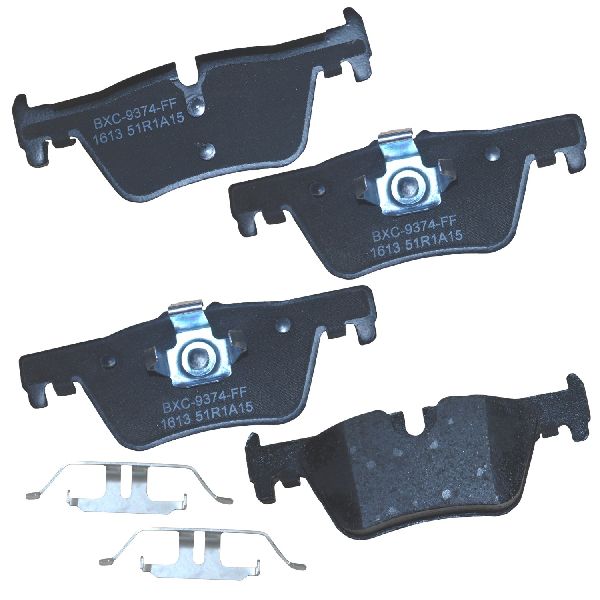
- Bendix: Bendix is a widely known aftermarket brand that offers pads for European vehicles. While some users find them to be a good value with features like noise reduction, others have reported a less aggressive bite compared to OEM pads and issues with pad material transfer to the rotors, causing vibration. They can be a reliable option, but may feel different from the original BMW pads.
Aftermarket Brake Pad Cost
| Item | Estimated Cost |
|---|---|
| Aftermarket Brake Pad Set (per axle) | $56.15 - $148.99 |
| Brake Wear Sensor (1 front, 1 rear) | $10 - $35 each |
| Shop Labor | $134 - $197 |
Known Issues and Technical Service Bulletins (TSBs)
For the F30 chassis, which includes the 2011-2018 318i, BMW has issued Technical Service Bulletins (TSBs) related to brake noise. TSB B34 09 13 addresses squeaking noises caused by paint buildup on brake pads or lack of proper lubrication. Another TSB, B34 05 17, relates to a ticking noise from the front wheels when cornering, caused by movement between the brake disc and wheel hub. There was also a recall (NHTSA 13V454000) for some 2012-2014 models due to a potential failure of the brake vacuum pump, which could lead to a loss of power braking assist. While this doesn't involve the pads themselves, it's a critical system component to be aware of.
Pro Tip: Always Replace the Wear Sensor
Your BMW 318i has one brake wear sensor on the front left wheel and one on the rear right wheel. Once the brake warning light has been triggered, the sensor has been consumed and must be replaced along with the pads to reset the warning light. It is highly recommended to replace the sensors with every brake pad change, even if the light isn't on, as they can become brittle and break during the job.
Frequently Asked Questions (FAQ)
Do I need to replace my rotors with my pads?
Not always. A general rule is to replace rotors with every second pad change. However, if your rotors are below the minimum thickness stamped on them, or if they show signs of heavy grooving, warping, or have hard spots, they should be replaced with the pads. Putting new pads on worn rotors can cause noise, vibration, and reduced performance.
Why are my new brakes making noise?
New brakes can sometimes squeak during the break-in period. However, persistent noise can be a sign of improper installation, lack of lubrication on contact points, or an issue with the pad and rotor combination. For the F30 platform, BMW has a specific TSB addressing brake squeal, which can be caused by paint on the pads or lack of lubrication.
What is the difference between OEM and aftermarket pads?
OEM (Original Equipment Manufacturer) pads are what the car was built with. They guarantee a certain feel and performance but are often expensive and can produce a lot of dust. Quality aftermarket pads from brands like Textar or Zimmermann can offer OEM-level performance, while other aftermarket options may provide different characteristics like lower dust (ceramic pads) or a lower price point.
Can I do this replacement myself?
Yes, replacing brake pads is a common DIY job for those with the right tools and mechanical experience. The process involves lifting the car, removing the wheel, unbolting the brake caliper, compressing the caliper piston, and replacing the pads and sensor. If you are not comfortable performing this work, it is best to have it done by a qualified mechanic.
Technical Specifications
OEM Part Numbers: 34356792289
The 2011-2018 BMW 318i (F30 chassis) uses a floating caliper brake system with electronic wear sensors. There is one sensor for the front axle (driver's side) and one for the rear axle (passenger's side).
We Have This Part in Stock
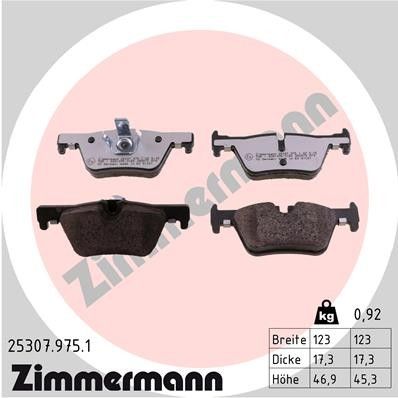
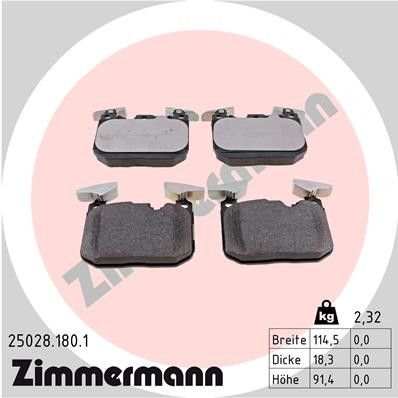

The information in this article is provided for general reference and educational purposes only. Vehicle specifications, procedures, and part compatibility can vary by production date, trim level, and region. Always consult your vehicle's factory service manual and verify part numbers before purchasing or performing repairs. Safety-critical components such as airbags, seat belts, and braking systems should be installed by a qualified professional.
- BMW 318i: