

A Guide to Replacing Ignition Coils on the 2011-2018 BMW X5
Experiencing engine misfires or a rough idle? Your ignition coils might be the culprit—here's what you need to know before you buy.
- Ignition coil failure is a very common problem, with engine misfires (P0301-P0308 codes) and a rough idle being the primary symptoms.
- Check for oil in the spark plug wells; a leaking valve cover gasket is a frequent cause of coil failure and must be fixed to prevent recurrence.
- Replacing all coils and spark plugs at the same time is the recommended best practice to ensure reliability and save on future labor.
- For best results, choose a reputable OEM brand like Bremi or Hella. For superior reliability, consider upgrading to Eldor coils, which BMW began using after 2016.
Is Your BMW X5's Ignition Coil Failing?
Ignition coil failure is a common issue on many modern BMWs, including the 2011-2018 X5 (E70 and F15 generations). These parts operate in a high-heat, high-vibration environment and simply wear out over time. A failing coil can disrupt your engine's performance, and ignoring the signs can lead to more significant problems, like damage to your catalytic converters.
Common Symptoms of a Bad Ignition Coil
When a coil starts to fail, the signs are usually noticeable. Your vehicle's computer, the DME, will often detect the problem and trigger a warning light.
- Engine Misfires: This is the most common symptom. The engine may shake, shudder, or feel like it's stumbling, especially when idling or under acceleration.
- Check Engine Light: A misfire will almost always trigger the check engine light. A scanner will typically show codes like P0300 (random/multiple misfires) or P0301-P0308 for specific cylinders.
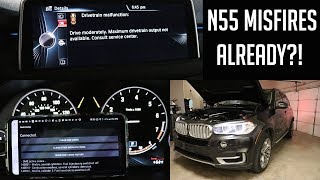
- Drivetrain Malfunction Warning: You may see a "Drivetrain Malfunction" message on your iDrive screen, and the car might go into a reduced power mode, also known as "limp mode."
- Rough Idle: The engine may vibrate or run unevenly when the car is stopped.
- Loss of Power: Your X5 may feel sluggish and accelerate slower than usual.
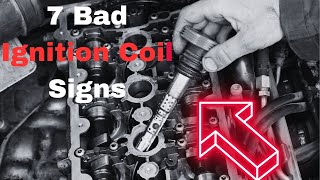
- Poor Fuel Economy: When a cylinder isn't firing correctly, the engine becomes less efficient, and you'll notice you're using more gas. 🎬 Watch a breakdown of the most common bad ignition coil symptoms.
A Common Cause: Oil Leaks
One of the most frequent causes of premature ignition coil failure on BMWs is a leaking valve cover gasket. Oil seeps into the spark plug wells and contaminates the ignition coil boot. This contamination can cause the high-voltage spark to ground out, destroying the coil. If you find oil on your coils when you pull them out, you must replace the valve cover gasket to prevent repeat failures.
Choosing the Right Aftermarket Ignition Coil
When shopping for new coils, you'll find several brands. For BMWs, sticking with an Original Equipment Manufacturer (OEM) or a brand with a strong reputation is highly recommended to avoid issues with parts that are dead on arrival or fail quickly.
Brand Tiers for Your BMW X5
Tier 1: OEM & OEM-Equivalent Brands
- Bremi & Hella: Both are German companies and have been OEM suppliers to BMW for various ignition components. They are generally considered reliable and safe choices for a stock vehicle. Some forum users have used Bremi on tuned cars without issue, though occasional out-of-the-box failures have been reported.
- Denso: A top-tier Japanese OEM supplier known for excellent quality. While more commonly found on Japanese vehicles, they produce high-quality coils that are a solid choice for the X5.
Tier 2: Aftermarket Specialists
- Facet: An Italian aftermarket manufacturer that produces a wide range of engine management parts. They offer a cost-effective option, though they are not as commonly discussed or recommended in BMW enthusiast communities as the OEM brands.
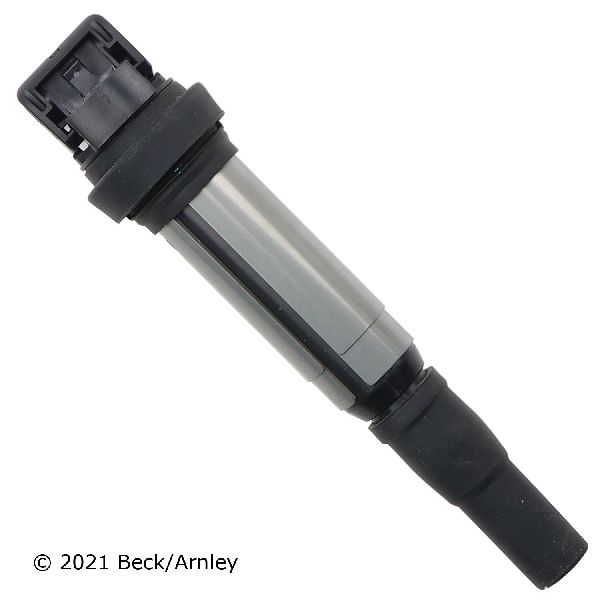
- Beck Arnley: This brand is a parts re-packager, not a manufacturer. This means the part inside the box could be from any number of sources, from a high-quality OEM to a lower-quality factory in China. While you might get a good part, the quality can be inconsistent.
Pro Tip: The Eldor Upgrade
Around 2016, BMW began switching from Bosch and Delphi to Eldor as its primary ignition coil supplier due to reliability issues with the older brands. Eldor coils are now widely considered the most robust and reliable option, even for high-performance and tuned applications. If you see Eldor available, it is often worth the small extra cost for added peace of mind.
Known Issues: TSB for N55 Engines
BMW issued Technical Service Bulletin (TSB) SI B12 15 15 for the N55 engine, which is found in many 2011-2018 X5 models. This TSB notes that moisture can cause cosmetic corrosion on the metal shield of Delphi-brand ignition coils. The bulletin states that this corrosion does not affect the coil's function and the part should not be replaced for this reason alone.
| Part Type | Estimated Cost (Per Coil) |
|---|---|
| New OEM (e.g., Genuine BMW, Eldor) | $60 - $125 |
| New Aftermarket (e.g., Bremi, Denso, Hella) | $39 - $84 |
| Shop Labor (Independent) | $107 - $157 (for the set) |
Cost estimates are for parts and labor and do not include taxes or fees. Dealer pricing will be significantly higher.
Frequently Asked Questions
Should I replace all my ignition coils at once?
Yes, it is highly recommended. Ignition coils are subjected to the same heat and wear cycles. If one has failed, others are likely to fail soon. Replacing them all at once saves you from repeating the same repair job in the near future. It's also best practice to replace the spark plugs at the same time.
Is replacing ignition coils a DIY job?
Absolutely. For most X5 engines from this period, the ignition coils are located right on top of the engine and are easily accessible after removing the plastic engine cover. The job requires minimal tools and can typically be completed in under two hours, making it a great DIY task to save on labor costs.
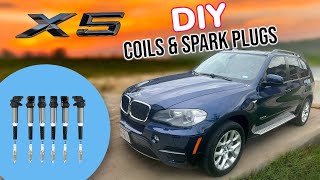
🎬 Watch this step-by-step guide to replacing your coils and plugs.How do I find the bad ignition coil?
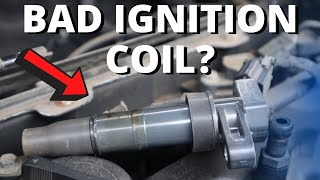
The easiest way is with an OBD-II scanner, which will tell you which cylinder is misfiring (e.g., P0304 for cylinder 4). If you don't have a scanner, you can use a process of elimination. Swap the coil from the suspected misfiring cylinder with one from a working cylinder. Clear the codes or run the engine and see if the misfire code "follows" the coil to the new cylinder. If it does, you've found the bad coil.
🎬 See how to easily diagnose and swap out a faulty coil.Do I need to put grease on the new coils?
Applying a small amount of dielectric grease to the inside of the new coil's rubber boot is a good practice. This helps seal the boot against moisture and makes it easier to remove the coil from the spark plug in the future.
Are there any recalls for the 2011-2018 X5 ignition coils?
There are no specific safety recalls issued by the NHTSA for ignition coil failure on the 2011-2018 BMW X5. Recalls for this vehicle have been for other components like starter motors or water pumps.
Helpful Videos
Technical Specifications
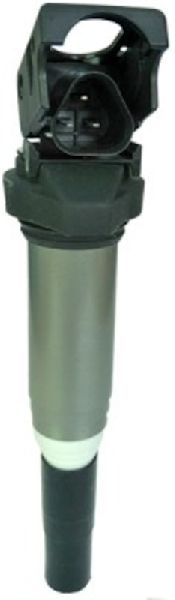
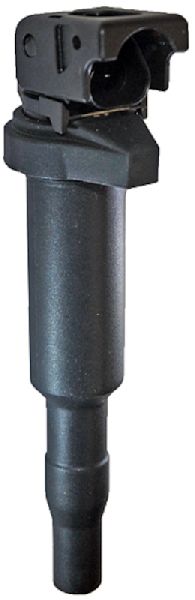
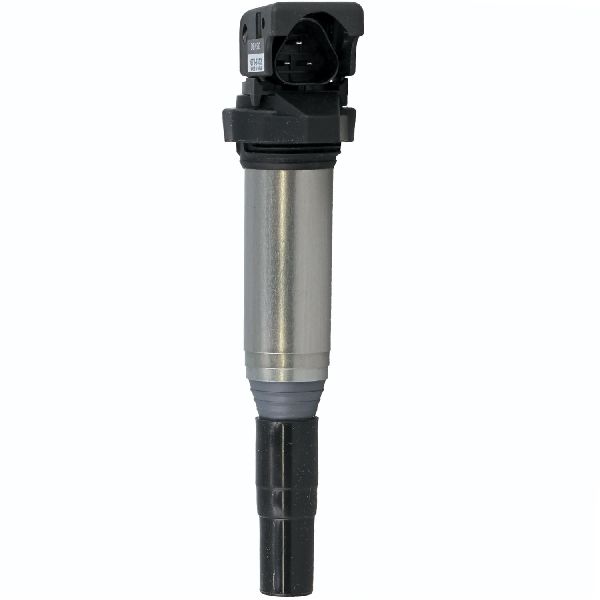
OEM Part Numbers: 12138657273 12138616153 12138647689 12139067830
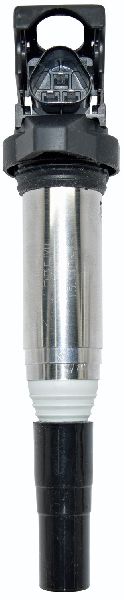
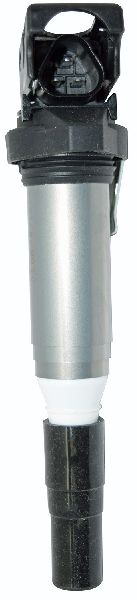
Direct 'coil-on-plug' ignition coil with a 3-pin electrical connector. Design may include a metal heat shield (Delphi, Eldor) or be all composite (Bosch).
We Have This Part in Stock

The information in this article is provided for general reference and educational purposes only. Vehicle specifications, procedures, and part compatibility can vary by production date, trim level, and region. Always consult your vehicle's factory service manual and verify part numbers before purchasing or performing repairs. Safety-critical components such as airbags, seat belts, and braking systems should be installed by a qualified professional.
- BMW X5:
- 🎬 Helpful Videos
- 🛍️ Shop This Part
- Is Your BMW X5's Ignition Coil Failing?
- Common Symptoms of a Bad Ignition Coil
- A Common Cause: Oil Leaks
- Choosing the Right Aftermarket Ignition Coil
- Brand Tiers for Your BMW X5
- Pro Tip: The Eldor Upgrade
- Known Issues: TSB for N55 Engines
- Frequently Asked Questions
- 🎟️ Get 5% Off