

Dodge Charger (2011-2018) Ignition Knock Sensor Replacement Guide
Diagnose and fix poor engine performance and check engine light codes related to a faulty knock sensor in your Charger.
- Replacement is much harder on the 3.6L V6 than the HEMI V8s, as the V6 requires removing the intake manifolds.
- Always replace both knock sensors at the same time to avoid repeating the labor-intensive repair.
- Using a torque wrench for the mounting bolt is critical; incorrect torque will cause the new sensor to fail.
- For this part, investing in a high-quality brand like Mopar, Delphi, or NGK can save you money in the long run.
Is Your Charger Running Rough? It Could Be a Bad Knock Sensor

If your 2011-2018 Dodge Charger is suddenly down on power, hesitating during acceleration, or has the check engine light on, a failing knock sensor is a likely suspect. This sensor is a critical part of the engine management system. Ignoring a bad one can lead to decreased fuel economy, poor performance, and potentially expensive engine damage over time. This guide will help you understand the symptoms, choose the right replacement part, and know what the repair involves.
Symptoms of a Failing Knock Sensor
A bad knock sensor will almost always trigger a Check Engine Light. You might also notice other performance issues. The most common signs include:
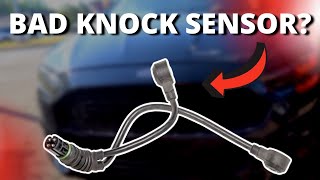
🎬 Watch: A breakdown of common bad knock sensor symptoms- Check Engine Light: The most common codes are P0325 (Knock Sensor 1 Circuit) and P0330 (Knock Sensor 2 Circuit).
- Reduced Engine Power: The car's computer may put the engine into a 'limp mode' to protect it, drastically reducing acceleration.
- Poor Fuel Economy: With the ignition timing not optimized, the engine burns fuel less efficiently.
- Engine Pinging or Knocking: You might hear a metallic pinging sound, especially during acceleration, because the computer isn't getting the signal to adjust timing.
A Note on Wiring
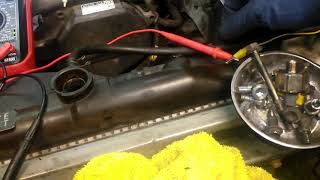
Sometimes the sensor itself is fine, but the wiring harness leading to it has failed. The wiring can become brittle from heat or contaminated by oil, causing the wires to short out. It's a good idea to inspect the connector and wires 🎬 See how to test a knock sensor before replacing it before replacing the sensor itself.
Choosing the Right Aftermarket Knock Sensor

For a part that can be very labor-intensive to replace, part quality matters. You don't want to do this job twice. Here’s a breakdown of the brands available, sorted into tiers based on reputation among mechanics and owners.
Tier 1: OEM & Premium Aftermarket
These brands are either the original equipment manufacturer (OEM) or have a reputation for meeting or exceeding OEM standards. For a difficult job like the V6 knock sensor, these are highly recommended.
- Mopar: This is the official OEM part. It guarantees perfect fitment and performance, but it's also the most expensive option.
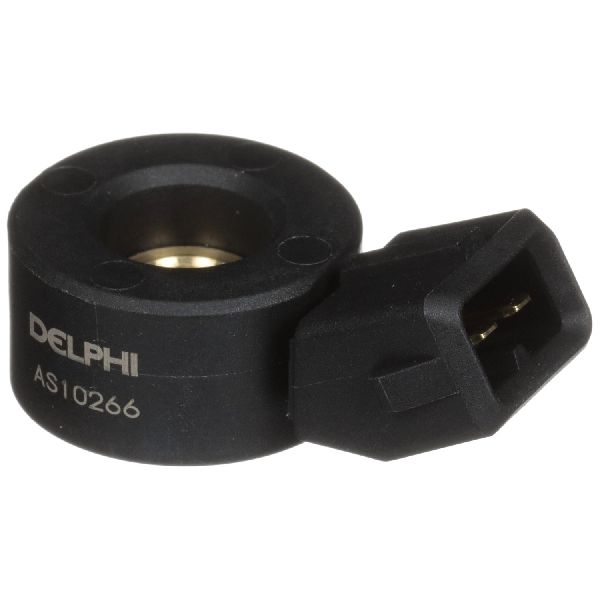
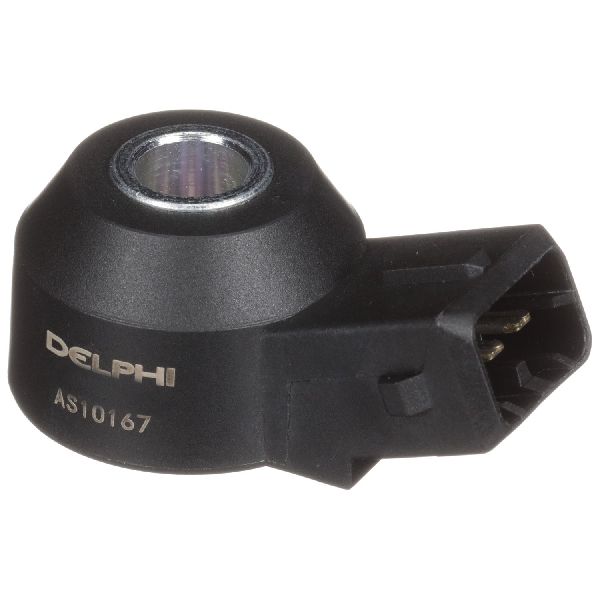
- Delphi: A well-respected OEM supplier for many car brands. Delphi sensors are known for their quality and reliability, making them a top-tier aftermarket choice.
- NGK / NTK: Famous for spark plugs, NGK (under their NTK sensor brand) also produces high-quality engine sensors that are considered a reliable alternative to OEM.
Tier 2: Reputable Aftermarket
These brands offer a good balance of quality and price. They are a solid choice for most DIY repairs, especially on the V8 models where the repair is less complex.
- Standard Ignition (SMP): A long-standing brand in the aftermarket with a reputation for producing dependable parts.
- Beck Arnley: Focuses on sourcing parts that match the original form, fit, and function, often from the OE manufacturer.
- Walker Products: A major manufacturer of fuel system and engine management components.
Tier 3: Economy Brands
These brands are the most budget-friendly. While they can be a good value, they may have more mixed reviews regarding long-term durability. They might be suitable for an older, higher-mileage vehicle or if budget is the primary concern.
- Dorman: Known for making a wide range of aftermarket parts, including hard-to-find items. Quality can sometimes be inconsistent.
- Holstein: Offers a cost-effective alternative to premium brands.
- Global Parts / Crown Automotive: Generally fall into the budget category.
Pro Tip: Replace in Pairs
Your Charger has two knock sensors. Because of the significant labor required to access them (especially on the 3.6L V6), it is strongly recommended to replace both at the same time. This prevents you from having to tear everything apart again if the second sensor fails a few months later.
Knock Sensor Replacement Cost for 2011-2018 Dodge Charger

The cost can vary significantly based on your engine. The 3.6L V6 is a much more labor-intensive job than the HEMI V8s.
| Part/Service | Estimated Cost |
|---|---|
| New Aftermarket Part (Single) | $19 - $173 |
| New OEM Part (Mopar, Single) | $70 - $110 |
| Shop Labor | $200 - $450+ |
| Total Professional Replacement | $300 - $600+ |
Costs are estimates and can vary by location and engine type. V6 labor costs will be on the higher end of the spectrum.
Frequently Asked Questions

Where are the knock sensors located on my Charger?
The location depends on your engine. On 3.6L V6 models, the two sensors are located in the engine valley, underneath the upper and lower intake manifolds. 🎬 Watch this walkthrough for replacing V6 Charger knock sensors On 5.7L and 6.4L HEMI V8 models, the sensors are on the lower sides of the engine block, near the motor mounts. The V8 location is significantly easier to access.
How many knock sensors does a 2011-2018 Dodge Charger have?
All V6 and V8 engines in this generation of Dodge Charger are equipped with two knock sensors, one for each cylinder bank.
Can I replace the knock sensors myself?
For a HEMI V8, an experienced DIYer can typically perform this replacement. Access is tight, but it doesn't require major disassembly. For the 3.6L V6, this is a difficult job that requires removing the upper and lower intake manifolds and draining some coolant. It is recommended for advanced DIYers or professional mechanics only.
What happens if I don't replace a bad knock sensor?
Your engine will run with retarded timing, causing poor performance and bad fuel economy. More importantly, if a real, severe knock condition develops, the computer won't be able to protect the engine, which could lead to piston and cylinder wall damage.
Is a special tool needed for installation?
A torque wrench is essential. The knock sensor mounting bolt must be tightened to a specific torque, usually around 15 ft-lbs (20 Nm). Over-tightening or under-tightening the sensor will cause it to send incorrect signals, making the new part useless.
Helpful Videos
Technical Specifications
OEM Part Numbers: 68166540AA 68223050AA 5148105AH
Number of Sensors: 2. Location: Engine block (V8) or under intake manifold (V6). Connector: 2-pin.
We Have This Part in Stock


The information in this article is provided for general reference and educational purposes only. Vehicle specifications, procedures, and part compatibility can vary by production date, trim level, and region. Always consult your vehicle's factory service manual and verify part numbers before purchasing or performing repairs. Safety-critical components such as airbags, seat belts, and braking systems should be installed by a qualified professional.
- Dodge Charger:
- 🎬 Helpful Videos
- 🛍️ Shop This Part
- Is Your Charger Running Rough? It Could Be a Bad Knock Sensor
- Symptoms of a Failing Knock Sensor
- A Note on Wiring
- Choosing the Right Aftermarket Knock Sensor
- Tier 1: OEM & Premium Aftermarket
- Tier 2: Reputable Aftermarket
- Tier 3: Economy Brands
- Pro Tip: Replace in Pairs
- Knock Sensor Replacement Cost for 2011-2018 Dodge Charger
- Frequently Asked Questions
- 🎟️ Get 5% Off