

A Guide to the Ignition Knock Sensor for the 2011-2018 Dodge Durango
Experiencing poor performance or hearing strange engine noises? Your knock sensor could be the problem.
- Replacement on the 3.6L V6 is a major job requiring intake manifold removal; the 5.7L V8 is much simpler.
- Always use a code scanner first to confirm the issue is a knock sensor circuit fault (P0325/P0330).
- If replacing one sensor, especially on the V6, it is strongly recommended to replace both at the same time.
- Premium aftermarket brands like Delphi, NGK, and Standard Ignition offer a reliable alternative to more expensive OEM parts.
Understanding the Knock Sensor in Your Durango

A failing knock sensor can cause a range of problems for your 2011-2018 Dodge Durango, from a simple Check Engine Light to noticeable performance issues. This sensor is a critical part of the engine management system, protecting your V6 or V8 engine from harmful detonation. When it fails, the engine's computer may receive incorrect information, or no information at all, leading it to take protective measures that reduce power and efficiency.
V6 vs. V8 Replacement Difficulty
Replacing the knock sensors is a much bigger job on the 3.6L V6 than on the 5.7L V8. On the V6, the sensors are located under the lower intake manifold, requiring removal of the upper and lower intake and the oil cooler assembly to access them. On the 5.7L HEMI V8, the sensors are located on the sides of the engine block, below the exhaust manifolds, and are significantly easier to access.
Symptoms of a Bad Knock Sensor in a 2011-2018 Durango

- Check Engine Light: This is the most common symptom. You will likely see diagnostic trouble codes (DTCs) such as P0325 (Knock Sensor 1 Circuit Malfunction) or P0330 (Knock Sensor 2 Circuit Malfunction).
- Reduced Power and Acceleration: The engine's computer may put the vehicle into a "safe mode" to prevent damage, which limits engine power.
- Poor Fuel Economy: With the ignition timing not optimized, the engine burns fuel less efficiently.
- Audible Engine Knocking or Pinging: A metallic pinging sound, especially when accelerating or under load, can mean the sensor isn't detecting the knock and the computer isn't correcting it.
Choosing the Right Aftermarket Knock Sensor

When it comes to sensors, quality matters. While OEM Mopar parts are a reliable choice, several aftermarket brands offer excellent quality, often at a better price. Here’s a breakdown of available brands:
- Premium Aftermarket (OEM-Grade): Brands like Delphi, NGK/NTK, and Standard Ignition (SMP) are often original equipment manufacturers for many car brands. They are known for their reliability and are a solid choice for this critical sensor.
- Reliable Mid-Range: Brands such as Beck Arnley, Holstein, and Walker Products provide a good balance of quality and cost. They are generally considered dependable replacements for the average driver.
- Budget-Friendly Options: Brands like Dorman and Global Parts offer a more affordable solution. While often functional, some forums report mixed results with budget sensors, so it's a trade-off between cost and potential longevity.
Pro Tip: Replace in Pairs and Check the Harness
Your Durango has two knock sensors. Especially on the 3.6L V6 where the job is labor-intensive, it is highly recommended to replace both sensors at the same time. Also, inspect the wiring harness for any signs of corrosion, oil contamination, or damage, and replace it if necessary.
Cost of Replacing a Dodge Durango Knock Sensor
| Item | Estimated Cost |
|---|---|
| New OEM (Mopar) Part | $30 - $60 per sensor |
| New Aftermarket Part | $19 - $173 per sensor |
| Shop Labor (5.7L V8) | $150 - $250 |
| Shop Labor (3.6L V6) | $400 - $650+ |
Note: Costs are estimates and can vary based on location, the specific parts chosen, and the repair shop. The significant difference in labor cost is due to the sensor locations on the V6 vs. the V8.
Frequently Asked Questions (FAQ)

How many knock sensors does my 2011-2018 Durango have?
All 2011-2018 Dodge Durango models, whether equipped with the 3.6L V6 or the 5.7L V8 engine, have two knock sensors.
What's the difference between Bank 1 and Bank 2?
Bank 1 refers to the side of the engine with cylinder #1. On the Durango's 3.6L V6, this is the rear bank (closer to the firewall). Bank 2 is the front bank. On the 5.7L V8, Bank 1 is the passenger side and Bank 2 is the driver side. The codes P0325 and P0330 correspond to these banks.
Were there any recalls or TSBs for the knock sensor?
Searches did not find any specific recalls for the knock sensor itself on the 2011-2018 Durango. However, a Technical Service Bulletin (TSB 18-049-20) was issued for 2016-2017 models with the 5.7L engine to update the PCM software for improved knock sensor performance. It's always wise to check for any open recalls or TSBs for your specific VIN with a dealer.
Why is replacing the V6 knock sensor so much more expensive?
The higher cost is almost entirely due to labor. On the 3.6L V6, the sensors are buried deep in the engine valley, underneath the upper and lower intake manifolds. A technician must remove these major components to gain access, which takes several hours. On the 5.7L V8, the sensors are on the outside of the engine block and are much easier to reach.
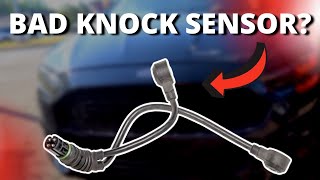
Helpful Videos
Technical Specifications
OEM Part Numbers: 68313570AA 68313570AB 5033316AB 5149188AA
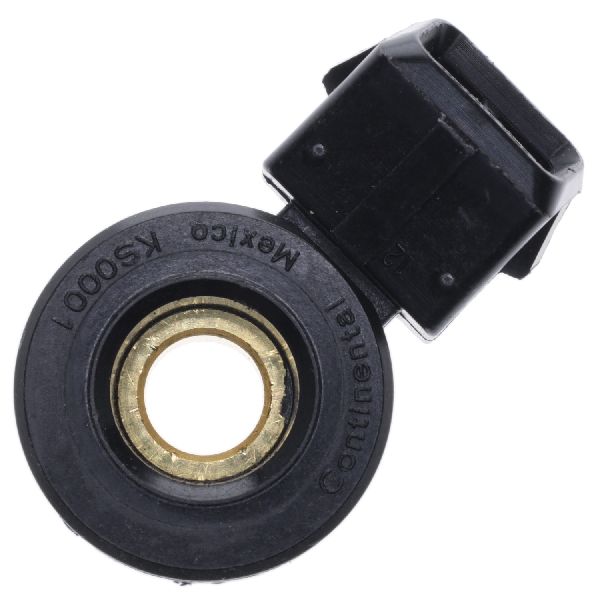
Two sensors are used, one for each engine bank. They are piezoelectric sensors that generate a voltage signal in response to vibration. The mounting bolt torque is critical for proper operation.
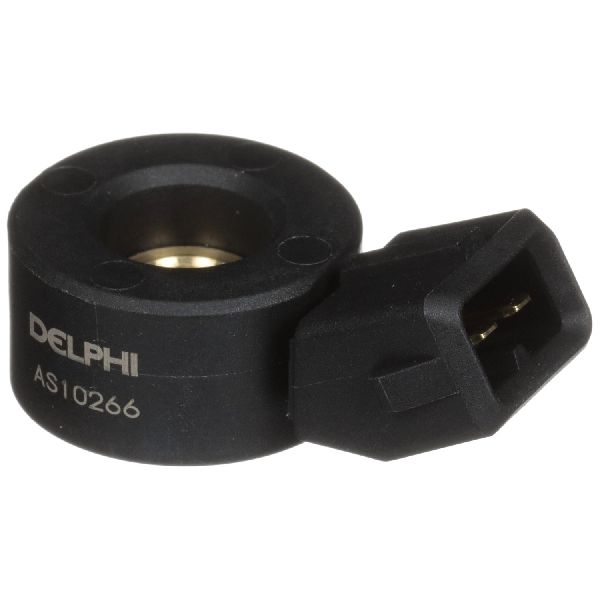
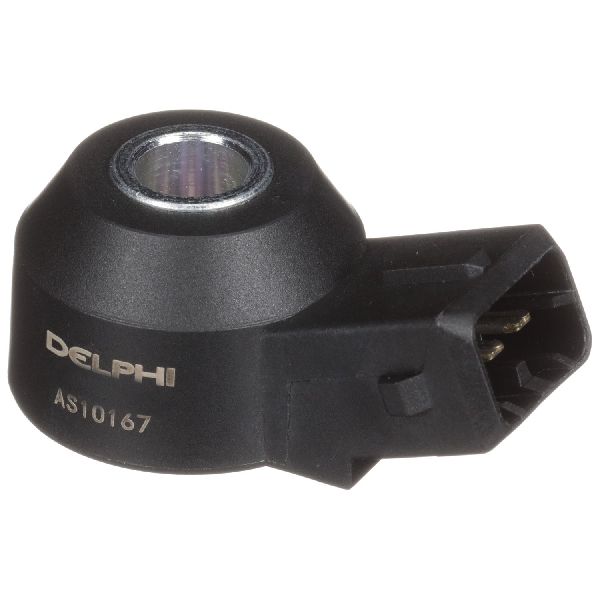
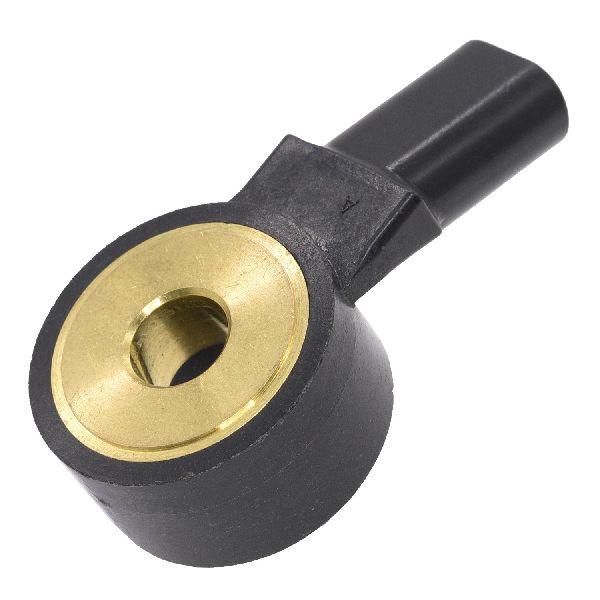
We Have This Part in Stock


The information in this article is provided for general reference and educational purposes only. Vehicle specifications, procedures, and part compatibility can vary by production date, trim level, and region. Always consult your vehicle's factory service manual and verify part numbers before purchasing or performing repairs. Safety-critical components such as airbags, seat belts, and braking systems should be installed by a qualified professional.
- Dodge Durango:
- 🎬 Helpful Videos
- 🛍️ Shop This Part
- Understanding the Knock Sensor in Your Durango
- V6 vs. V8 Replacement Difficulty
- Symptoms of a Bad Knock Sensor in a 2011-2018 Durango
- Choosing the Right Aftermarket Knock Sensor
- Pro Tip: Replace in Pairs and Check the Harness
- Cost of Replacing a Dodge Durango Knock Sensor
- Frequently Asked Questions (FAQ)
- 🎟️ Get 5% Off