

Ford Lobo Engine Camshaft Position Sensor: A Guide for 2011-2018 Models
If your truck has a check engine light with rough starts or poor acceleration, its camshaft sensor could be the problem.
- A check engine light with codes P0340 or P0345 is the most common sign of a failing camshaft position sensor.
- Symptoms can range from a rough idle and poor acceleration to the engine stalling or not starting at all.
- For critical sensors, many owners recommend using OEM (Motorcraft) or a premium aftermarket brand like Standard Ignition to ensure reliability.
- The problem isn't always the sensor; it can also be caused by wiring issues or other engine timing components.
Is Your Ford Lobo Running Rough? It Could Be a Camshaft Position Sensor
If your 2011 to 2018 Ford Lobo is experiencing issues like a check engine light, difficulty starting, or a rough idle, a failing engine camshaft position sensor is a common suspect. This sensor is critical for engine timing, and when it fails, it can cause a range of noticeable problems. Since many issues can feel similar, understanding the specific symptoms of a bad camshaft sensor can help you diagnose the problem correctly.
Symptoms of a Failing Camshaft Position Sensor
A bad camshaft sensor won't always stop your truck from running, but it will cause performance issues. The signs often start small and get worse over time. Here’s what to watch for:
- Check Engine Light: This is the most common sign. The sensor will trigger specific codes, most often P0340, P0345, or P0349, which point to a fault in the sensor's circuit or signal.
- Hard Starting or No Start: The engine may crank for a long time before starting, or it may not start at all. This happens because the truck's computer doesn't have the correct camshaft position to time the spark and fuel.
- Rough Idle and Stalling: Your truck may vibrate or shake while stopped. In more serious cases, the engine can stall unexpectedly while driving or at an idle because the computer loses the sensor's signal.
- Poor Acceleration: You might feel a lack of power, hesitation, or jerking when you press the gas pedal. The engine can't perform efficiently without accurate timing information.
- Reduced Fuel Economy: When the computer can't time fuel injection properly, it may use more fuel than necessary, causing you to visit the gas station more often.
A Code Doesn't Always Mean a Bad Sensor
While codes like P0340 and P0345 often point to a failed sensor, the issue can sometimes be more complex. These codes can also be triggered by problems with the wiring harness, a bad connection, or even deeper engine timing issues like a failing VCT solenoid or a stretched timing chain. It's a good practice to check the sensor's wiring and connector for damage or corrosion before replacing the part.
Choosing the Right Aftermarket Sensor
When replacing the camshaft position sensor, you have a choice between OEM (Motorcraft) and various aftermarket brands. For a critical component like this, quality matters.
- Premium Aftermarket (e.g., Standard Ignition): Brands like Standard Motor Products (SMP) are often considered to be of OEM quality. They are a reliable choice that balances cost and performance and are frequently recommended by professionals.
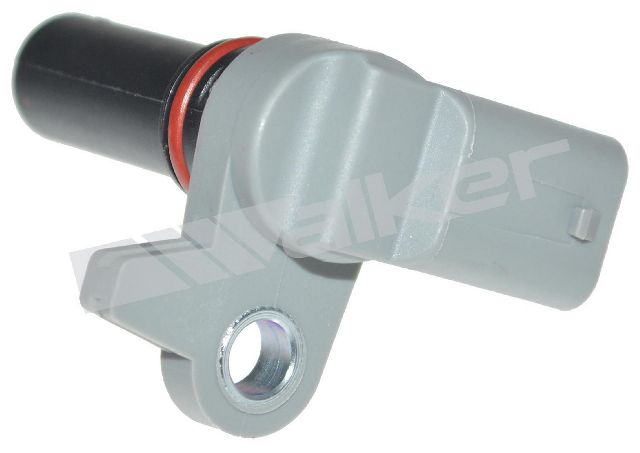
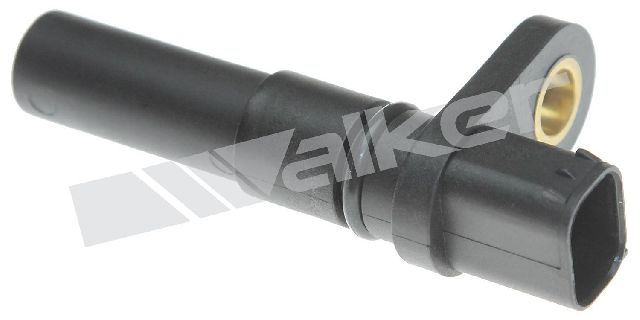
- Standard Aftermarket (e.g., Dorman, Walker Products): These brands offer a good value and are widely available. While generally reliable, some owners report mixed experiences with sensors for certain vehicles. They are a viable option, but may not have the same longevity as premium or OEM parts.
- Budget Aftermarket (e.g., Skyward, unbranded parts): While the low price is tempting, budget-tier sensors are often a gamble. Forum discussions and mechanic reviews frequently warn that these parts can fail prematurely, forcing you to do the job again. The small savings may not be worth the risk of another breakdown.
Pro Tip: Consider OEM for Peace of Mind
Many experienced mechanics and Ford owners recommend using the original Motorcraft sensor. While it costs more upfront, it was designed specifically for your truck's engine and is less likely to cause issues down the road. If you plan on keeping your Lobo for a long time, the extra cost for an OEM part can be a wise investment to avoid repeat repairs.
Typical Replacement Costs
The cost to replace a camshaft position sensor is reasonable, especially if you do it yourself. The part itself is not expensive, and labor is typically minimal.
| Item | Cost Range |
|---|---|
| New Aftermarket Part | $16 - $57 |
| New OEM (Motorcraft) Part | $42 - $80 |
| Shop Labor | $72 - $140 |
| Total Professional Replacement | $114 - $186 |
Frequently Asked Questions
How many camshaft sensors does my 2011-2018 Ford Lobo have?
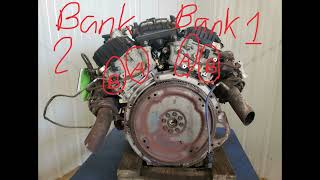
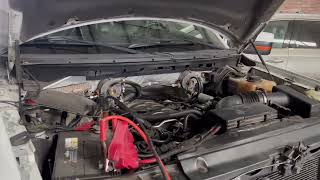
It depends on your engine. V8 engines like the 5.0L and V6 engines like the 3.5L EcoBoost have Dual Overhead Cams (DOHC), meaning they have two camshafts per cylinder head. This results in a total of four camshaft position sensors: two for intake and two for exhaust. The diagnostic code (e.g., P0340 for Bank 1, P0345 for Bank 2) will help you identify which bank has the faulty sensor.
🎬 Watch this guide to find the 3.5L EcoBoost sensor locations.Is it difficult to replace a camshaft position sensor myself?
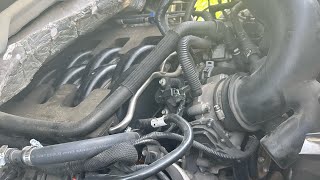
For most DIYers, this is a manageable job. The sensors are typically located on the front of the engine near the top of the valve covers, held in by a single 8mm bolt. However, access can be tight, especially for the sensors closer to the firewall. You may need to lay on top of the engine and work by feel. The difficulty is low to moderate, and it usually takes less than an hour.
🎬 See this walkthrough for replacing the exhaust camshaft sensor.Can a bad camshaft sensor cause transmission problems?
Yes, indirectly. A faulty camshaft sensor can cause the engine to run so poorly that the vehicle's computer puts the transmission into a "limp mode" to prevent further damage. This might feel like the transmission is stuck in one gear. In some cases, a shorted cam sensor can even cause communication codes related to the transmission. 🎬 Watch how a bad sensor can trigger these transmission codes. Fixing the sensor will usually resolve these transmission-related symptoms.
Were there any recalls for the camshaft position sensor?
No, there have been no specific recalls issued by the NHTSA for the camshaft position sensor on the 2011-2018 Ford F-150 (Lobo). While there have been recalls for powertrain software that can affect engine and transmission behavior, the sensor itself has not been the subject of a recall.
Helpful Videos

Technical Specifications
OEM Part Numbers: 7T4Z6B288A BL3Z-6B288-C BL3112K073BA
Depending on the specific engine and location (intake/exhaust), the sensor may have 2 or 3 pins and a distinct connector shape. It is crucial to match the new part to the original sensor from your vehicle.
We Have This Part in Stock


The information in this article is provided for general reference and educational purposes only. Vehicle specifications, procedures, and part compatibility can vary by production date, trim level, and region. Always consult your vehicle's factory service manual and verify part numbers before purchasing or performing repairs. Safety-critical components such as airbags, seat belts, and braking systems should be installed by a qualified professional.
- Ford Lobo:
- 🎬 Helpful Videos
- 🛍️ Shop This Part
- Is Your Ford Lobo Running Rough? It Could Be a Camshaft Position Sensor
- Symptoms of a Failing Camshaft Position Sensor
- A Code Doesn't Always Mean a Bad Sensor
- Choosing the Right Aftermarket Sensor
- Pro Tip: Consider OEM for Peace of Mind
- Typical Replacement Costs
- Frequently Asked Questions
- 🎟️ Get 5% Off