

Ford Mustang Crankshaft Position Sensor Guide for 2011-2018 Models
Is your Mustang having trouble starting or stalling? Your crankshaft position sensor might be the problem.
- Symptoms include no-start, stalling, a check engine light (P0335, P0336), and poor performance.
- Replacement is much easier on 2015-2018 models (from the top) than on 2011-2014 models (from below).
- For 2011-2014 5.0L models, check TSB 13-6-15; you may only need a new O-ring for the sensor to fix false misfire codes.
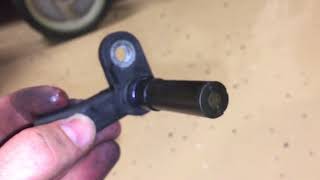
- Using an OEM (Motorcraft) or premium aftermarket (Delphi, NGK) sensor is recommended for reliability.
Is Your Mustang's Crankshaft Sensor Failing?

A bad crankshaft position sensor can cause problems that are hard to ignore. Because this sensor is so important for engine timing, a failure can make your car run poorly or even leave you stranded. Watch for these common signs.
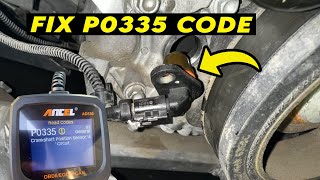
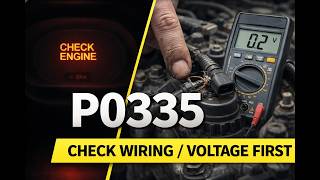
- Check Engine Light: This is often the first warning sign. A scan tool might show codes like P0335 or P0336. 🎬 Watch this before replacing parts to troubleshoot P0335 codes correctly.
- Engine Won't Start: The engine may crank but refuse to start because the computer doesn't know when to create a spark.
- Stalling: The engine might suddenly shut off while you are driving or idling, which can be dangerous.
- Rough Running: You might feel engine misfires, shaking, or rough idling because the timing is off.
- Poor Acceleration: Your Mustang may feel sluggish and lack power when you press the gas pedal.
- Worse Gas Mileage: When the engine timing is wrong, it wastes fuel, and you'll find yourself at the gas station more often.
Known Issue for 2011-2014 5.0L V8 Mustangs (TSB 13-6-15)
Some 2011-2014 Mustangs with the 5.0L engine can show misfire codes (like P0300-P0308) without any actual driving problems. Ford issued a Technical Service Bulletin (TSB) for this issue. The fix is often just installing a new O-ring on the existing crankshaft sensor, not replacing the whole sensor. This suggests the sensor can have sealing or vibration issues.
Choosing the Right Aftermarket Sensor

When replacing this sensor, you have a choice between the original Ford part (Motorcraft) and many aftermarket brands. For a critical sensor like this, quality matters.
- OEM (Motorcraft): This is the part your Mustang came with from the factory. It's the safest bet for compatibility and long life. Many Mustang owners in forums recommend sticking with OEM for critical electronics to avoid problems.
- Premium Aftermarket (Delphi, Denso, NGK/NTK): These brands often manufacture original parts for car companies and are known for high quality. They are generally considered reliable alternatives to Motorcraft and are a solid choice.
- Standard Aftermarket (Standard Ignition, Walker, Spectra): These brands offer a balance of quality and price. Some users report good experiences, while others have had parts fail early.
- Budget Aftermarket (Dorman, Global Parts): These are typically the most affordable options. While they may meet basic specifications, some mechanics and owners report higher failure rates with budget-tier electronic parts. A part from one of these brands might work fine, but it can be a gamble.
A Note on Relearn Procedures
After replacing the sensor, your Mustang's computer may need to relearn its position. This is sometimes called a "Misfire Monitor Neutral Profile Correction." In many cases, the car will run fine without this step, but if you have a persistent check engine light or rough running, a mechanic with a proper scan tool may need to perform this procedure.
🎬 See how to perform a crank trigger relearn on your Mustang.Cost to Replace a Crankshaft Position Sensor
| Part Type | Estimated Cost |
|---|---|
| New Aftermarket Part | $23 - $94 |
| Shop Labor | $100 - $200 |
| Total Professional Replacement | $123 - $294 |
Frequently Asked Questions

Where is the crankshaft sensor on my 2011-2018 Mustang?
The location is different depending on the year. For 2011-2014 models (S197), it's on the front passenger side of the engine, behind the A/C compressor. For 2015-2018 models (S550), it's at the back of the engine on the passenger side, near where the transmission connects. You access it from the top by removing the battery and battery tray.
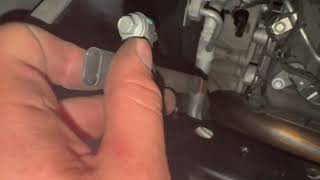
🎬 Watch this step-by-step guide for replacing the sensor on S550 models.Can I replace this sensor myself?
It depends on your skill and your car's year. For 2015-2018 models, it's a more DIY-friendly job since you can reach it from the top of the engine bay. For 2011-2014 models, the job is harder because you have to work from under the car and move the A/C compressor to get access.
Was there a recall for this part?
No, there have been no specific recalls for the crankshaft position sensor on the 2011-2018 Ford Mustang. There was a recall for the powertrain control module on some 2019-2020 models, but it does not apply to this year range.
What's the difference between code P0335 and P0336?
Both codes point to a problem with the crankshaft sensor. P0335 means the computer is getting no signal at all from the sensor. P0336 means the signal is there, but it's erratic, incorrect, or out of the expected range.
Helpful Videos


Technical Specifications
OEM Part Numbers: BR3Z-6C315-B BR3Z-6C315-A
The sensor location and replacement procedure differ significantly between 2011-2014 (S197) and 2015-2018 (S550) generations. S197 models have the sensor at the front of the engine, while S550 models have it at the rear.
We Have This Part in Stock

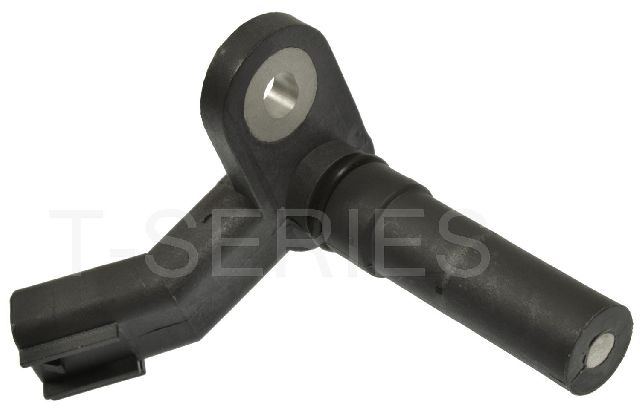
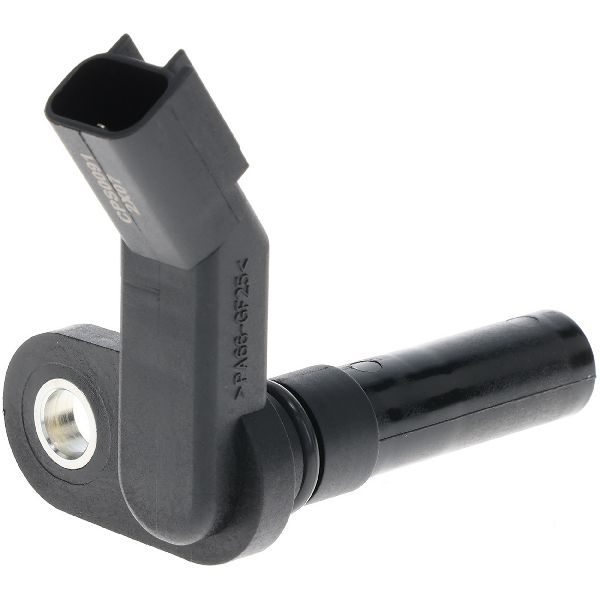
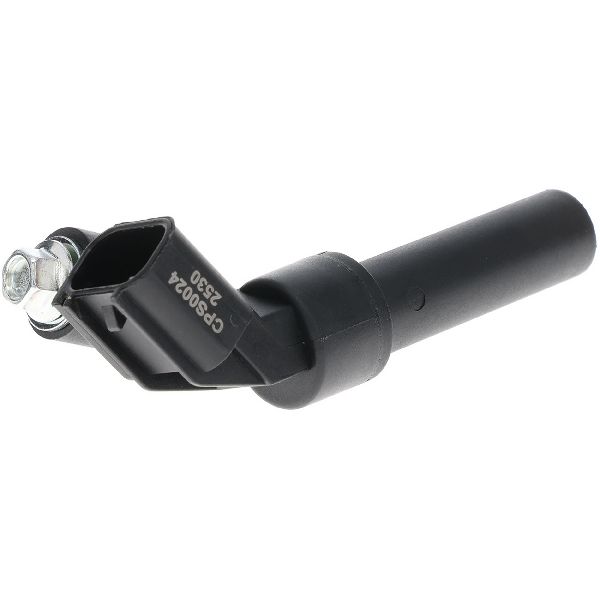

The information in this article is provided for general reference and educational purposes only. Vehicle specifications, procedures, and part compatibility can vary by production date, trim level, and region. Always consult your vehicle's factory service manual and verify part numbers before purchasing or performing repairs. Safety-critical components such as airbags, seat belts, and braking systems should be installed by a qualified professional.
- Ford Mustang: