

Ford Mustang Suspension Stabilizer Bar Bushing Guide (2011-2018)
Eliminate clunking noises over bumps and restore your Mustang's sharp, responsive handling.
- The most common symptom of failure is a clunking noise from the suspension when going over bumps.
- You must measure your stabilizer bar's diameter to ensure you buy the correct size bushings, as sizes vary widely across Mustang models.
- Choose polyurethane bushings (like Energy Suspension) for improved performance, but use the supplied grease to prevent squeaking.
- For a quiet, stock-like ride, choose quality rubber replacements from brands like Moog or Delphi.
- Consider replacing the sway bar end links at the same time for a complete suspension refresh.
Is Your Mustang Making Noise Over Bumps?
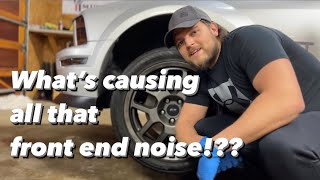
One of the first signs of worn stabilizer bar bushings is a clunking or knocking sound coming from the front or rear suspension. This noise is most noticeable when driving over bumps, uneven roads, or turning. You might also feel 🎬 Watch: How to diagnose a mysterious front end clunk that the steering is less responsive or that the car leans more than usual in corners. These symptoms mean the bushings are no longer holding the stabilizer bar securely, allowing metal-on-metal contact and reducing the bar's effectiveness.
Choosing the Right Aftermarket Bushings: Rubber vs. Polyurethane
When replacing your Mustang's stabilizer bar bushings, you have two main material choices: traditional rubber or performance-oriented polyurethane. Your decision depends on your driving style and goals for the car.
| Material | Best For | Pros | Cons |
|---|---|---|---|
| Rubber | Daily Driving, Comfort | Quiet operation, soft ride, absorbs vibration well. | Wears out faster, allows more suspension flex. |
| Polyurethane | Performance, Track Use | Improves handling response, very durable, reduces body roll. | Can cause a harsher ride, may squeak if not greased properly. |
Pro Tip: For most 2011-2018 Mustangs, especially Performance Package models, the original front bushings may be bonded (glued) to the stabilizer bar from the factory. This means you cannot simply slide them off. They must be carefully pried or cut off, and the bar cleaned before installing new, non-bonded aftermarket bushings.
Aftermarket Brand Options for Your Mustang
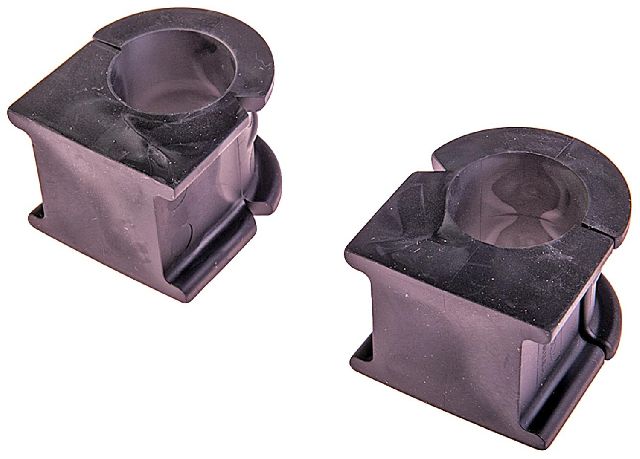
Several brands offer stabilizer bar bushing kits for the 2011-2018 Mustang. They can be grouped into tiers based on their intended use and quality.
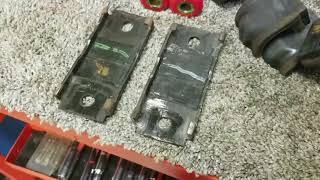
- Performance Brands (Polyurethane): Energy Suspension and Nolathane are popular choices for owners looking to sharpen handling. These polyurethane bushings are stiffer and provide a more direct feel. They often come with grease to prevent squeaking, which is a common complaint if they are not lubricated correctly during installation. 🎬 See how to upgrade to polyurethane sway bar bushings
- OEM-Quality Replacement Brands: Moog, Mevotech, and Delphi are well-regarded for making durable replacement parts that often meet or exceed original factory quality. They are an excellent choice for a daily driven Mustang, providing a reliable repair that restores original comfort and handling.
- Standard Replacement Brands: Dorman and QuickSteer offer affordable, standard replacement options that get the job done for a daily driver on a budget. These are a cost-effective way to eliminate noise and fix worn-out parts.
Common Ordering Mistake: Wrong Size!
Ford used many different stabilizer bar diameters on the 2011-2018 Mustang, depending on the year, model (V6, GT, Boss 302), and options (Performance Package, convertible vs. coupe). The only way to be certain you are ordering the correct size bushing is to physically measure the diameter of your front and rear stabilizer bars with a caliper or an open-end wrench. Do not rely on vehicle lookup tools alone.
Frequently Asked Questions (FAQ)
Why are my new polyurethane bushings squeaking?
Polyurethane bushings will squeak if they are not properly lubricated with a silicone-based, waterproof grease during installation. The squeak comes from the friction of the polyurethane against the metal sway bar. If they start squeaking after being quiet, they may need to be re-greased.
Should I replace the sway bar end links at the same time?
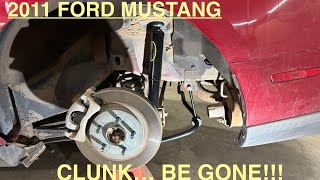
It is highly recommended. The end links connect the ends of the stabilizer bar to the suspension and have their own bushings that wear out. Worn end links can also cause clunking noises. 🎬 Watch this walkthrough for fixing a rear suspension clunk Replacing the bushings and end links together ensures a complete and lasting repair.
Is replacing stabilizer bar bushings a difficult job?
For most DIY mechanics, this is a relatively easy job. It typically involves unbolting two brackets that hold the bushing to the frame, swapping the old bushing for the new one, and bolting the brackets back on. The most difficult part can be dealing with rusted bolts or the factory-bonded bushings found on some models.
Do I need a wheel alignment after replacing the bushings?
No, replacing the stabilizer bar bushings or end links does not affect your vehicle's wheel alignment settings.
Helpful Videos
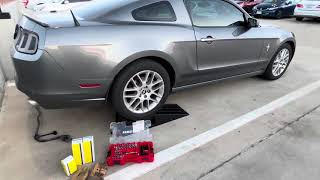
Technical Specifications
OEM Part Numbers: FR3Z-5484-A CR3Z-5493-B BR3Z-5482-B F4ZZ-5493-D
Material: Rubber or Polyurethane. Location: Front or Rear. Inner Diameter: Varies significantly (e.g., 22mm, 24mm, 30mm, 33.3mm, 35mm). Always measure your specific vehicle's sway bar before ordering.
We Have This Part in Stock
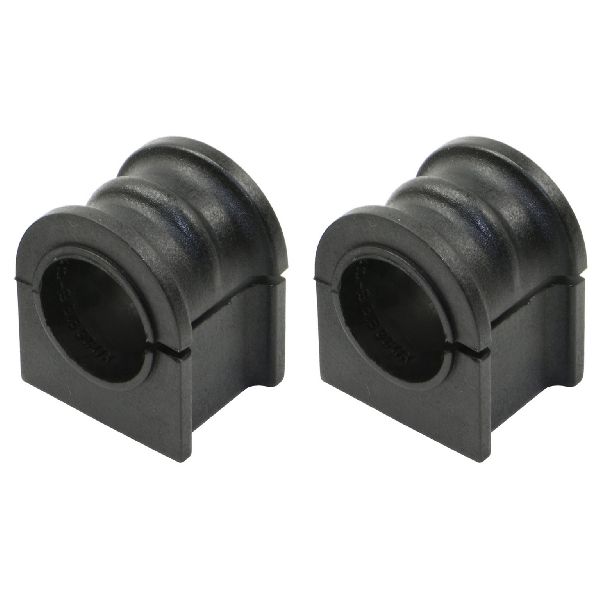
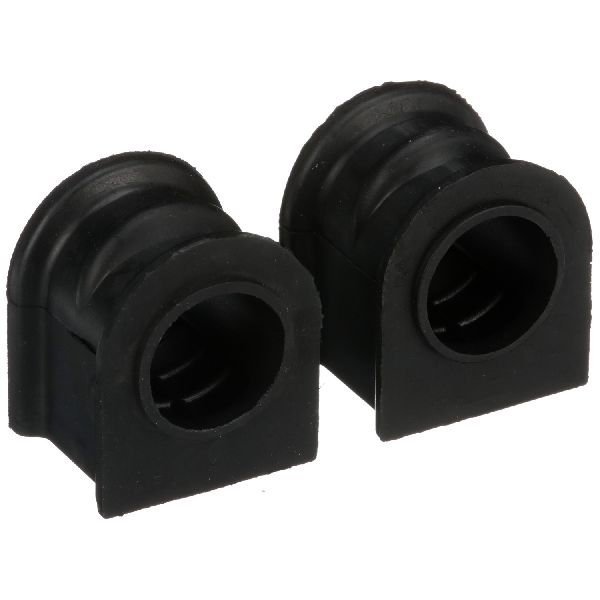

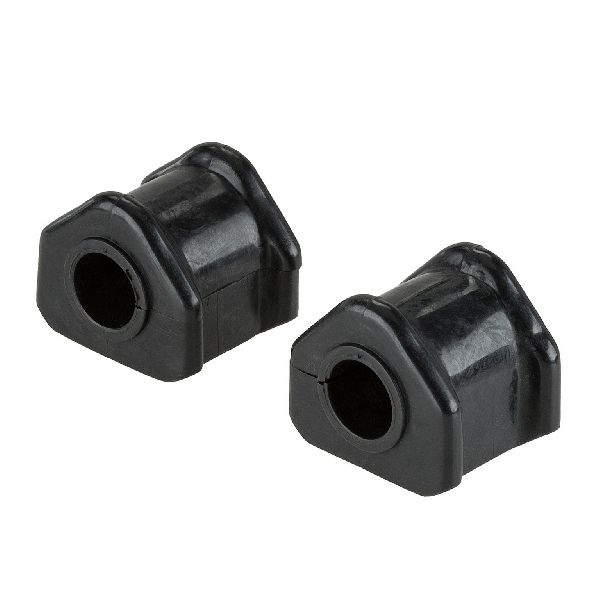

The information in this article is provided for general reference and educational purposes only. Vehicle specifications, procedures, and part compatibility can vary by production date, trim level, and region. Always consult your vehicle's factory service manual and verify part numbers before purchasing or performing repairs. Safety-critical components such as airbags, seat belts, and braking systems should be installed by a qualified professional.
- Ford Mustang: