

A Guide to Replacing Fuel Injectors on Your 2011-2018 Jeep Wrangler JK
Experiencing rough idles or poor MPG? It might be time to look at your Wrangler's fuel injectors.
- Confirm your engine (3.8L for 2011, 3.6L for 2012-2018) before buying parts.
- Symptoms like rough idle, poor MPG, and misfire codes often point to failing injectors.
- Replacing all six injectors at once is recommended for balanced engine performance.
- Bosch is a trusted premium aftermarket brand, while Omix-Ada and Crown offer reliable, Jeep-specific alternatives.
Engine & Year Model Differences

It's important to know which engine your Wrangler has. The 2011 model year used the older 3.8L V6 engine. From 2012 to 2018, Jeep switched to the more powerful and efficient 3.6L Pentastar V6. These engines use different fuel injectors, so make sure you order the correct part for your specific year and engine.
Signs of a Failing Fuel Injector

When a fuel injector starts to fail, your Jeep will let you know. The signs can range from subtle to severe. A clogged or failing injector disrupts the air-fuel mixture, causing problems. You might notice one or more of the following issues:
- Rough Idling: The engine may shake or vibrate when you're stopped.
- Engine Misfires: You might feel a stumble or hesitation from the engine while driving. This can trigger the Check Engine Light with codes like P0300 (random misfire) or P0301-P0306 for a specific cylinder.
- Poor Fuel Economy: If an injector is stuck open, it dumps too much fuel, wasting gas.
- Loss of Power: Your Jeep may feel sluggish and slow to accelerate.
- Fuel Smell: A strong smell of gasoline from the engine bay could mean a leaky injector, which is a serious fire hazard.
- Hard Starting: The engine may take longer than usual to crank and start.
Known Issues, TSBs, and Recalls
While there are no widespread fuel injector-specific recalls for the 2011-2018 Wrangler, some related items have been noted. A Technical Service Bulletin (TSB 14-003-22 REV. A) was issued for some 2022 models regarding fuel injectors, but this does not apply to the JK generation. Other recalls for this period have focused on different parts of the fuel system, like fuel tanks or pumps, but not the injectors themselves. Generally, injector failures on the 3.6L Pentastar are due to age, mileage, and fuel quality rather than a specific manufacturing defect.
Choosing the Right Aftermarket Fuel Injector

When it's time to replace one or more injectors, you have several options. It's often recommended to replace all six at once to ensure balanced performance and prevent future failures.
| Brand Tier | Brands | Description |
|---|---|---|
| OEM & Premium Aftermarket | Mopar, Bosch | Mopar is the original factory part. Bosch is a major OEM supplier known for high-quality engineering and reliability. Choosing either of these ensures factory-like performance and fit. Many owners and mechanics trust Bosch as a top-tier alternative to the dealer part. |
| OE-Style Aftermarket | Standard Ignition, Crown Automotive, Omix-Ada | These brands specialize in producing parts that meet or exceed original equipment specifications. Crown and Omix are very well-known in the Jeep community and offer a good balance of quality and price for owners looking for a reliable, direct-fit replacement without the OEM price tag. |
| Value-Oriented | GBR Fuel Injection, Other Store Brands | These brands provide a cost-effective solution. While they may not have the long-standing reputation of Bosch or Mopar, they can be a good option for budget-conscious repairs, especially on older, higher-mileage vehicles. |
Frequently Asked Questions

Should I replace one fuel injector or all of them?
While you can replace just the one that failed, it's highly recommended to replace all six at the same time. Fuel injectors wear at a similar rate. If one has failed, others are likely not far behind. Replacing them as a set ensures all cylinders get a balanced fuel spray for smooth performance and prevents you from having to do the same repair again in a few months.
Is replacing Jeep Wrangler fuel injectors a DIY job?
For the 2012-2018 3.6L engine, this job is moderately difficult. It requires removing the upper intake manifold to access the fuel rail and injectors. If you have a good set of tools and are comfortable working on engines, it's a feasible DIY project that can take a few hours. For the 2011 3.8L, the process is similar. Always remember to relieve fuel system pressure before starting.
Do I need a special tune after installing new injectors?
No, as long as you are using direct-fit, OE-spec replacement injectors, no special computer tuning is required. The engine's computer will adapt to the new injectors. If you were to install high-performance injectors with a higher flow rate, you would need a custom tune.
What are the O-rings and should I replace them?
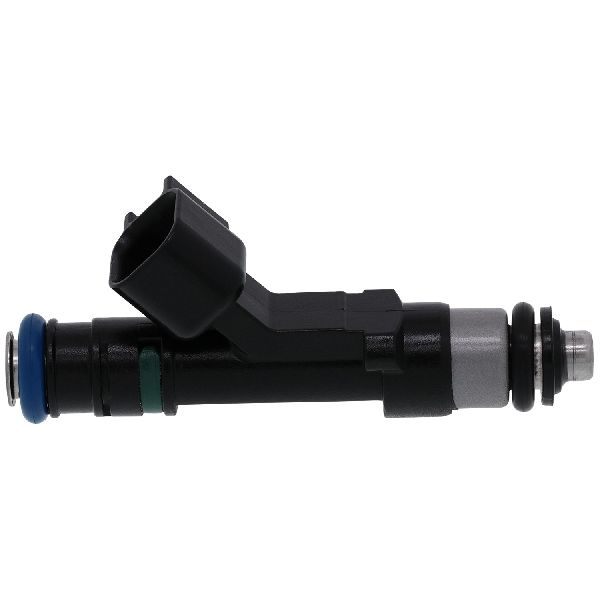
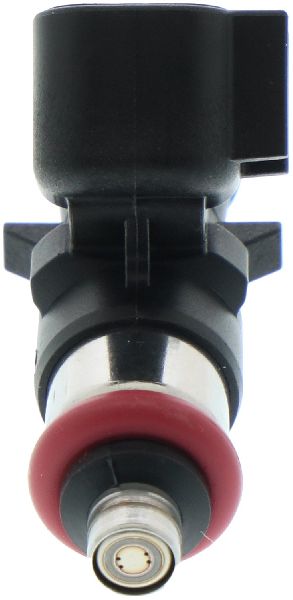
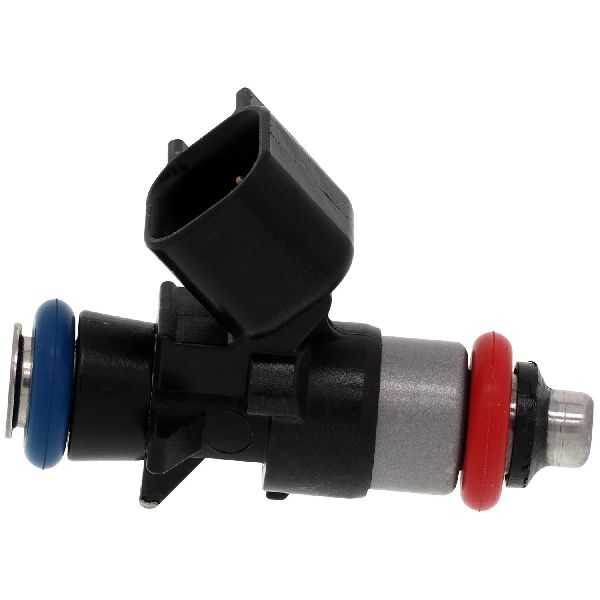
Fuel injectors have rubber O-rings at the top and bottom to create a seal with the fuel rail and the intake manifold. New aftermarket injectors almost always come with new O-rings. It is critical to replace the O-rings to prevent fuel and air leaks. Before installing, it's a good practice to apply a small amount of clean engine oil to the O-rings to help them seat properly and avoid damage.
Helpful Videos
Technical Specifications
OEM Part Numbers: 5184085AC 0280158233 5184085AD
The 2011 Wrangler with the 3.8L V6 and the 2012-2018 Wrangler with the 3.6L Pentastar V6 both use a top-feed, port fuel injection system. Each engine requires a set of six injectors. The injectors are specific to the engine type and are not interchangeable.
We Have This Part in Stock


The information in this article is provided for general reference and educational purposes only. Vehicle specifications, procedures, and part compatibility can vary by production date, trim level, and region. Always consult your vehicle's factory service manual and verify part numbers before purchasing or performing repairs. Safety-critical components such as airbags, seat belts, and braking systems should be installed by a qualified professional.
- Jeep Wrangler: