

A/C System O-Ring and Gasket Kit Guide for 2011-2018 Porsche Cayenne
Leaking refrigerant is the most common cause of A/C failure; this kit is often the first step in the repair.
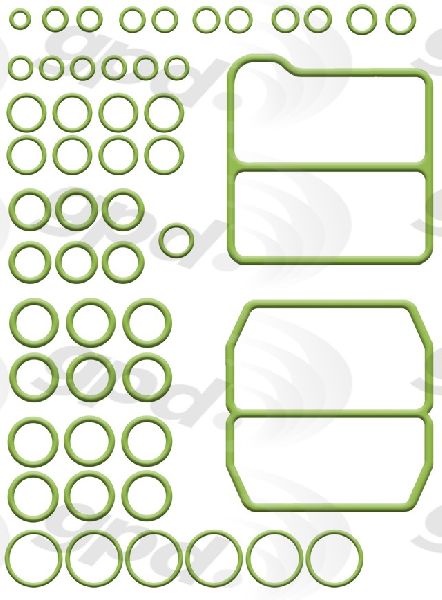
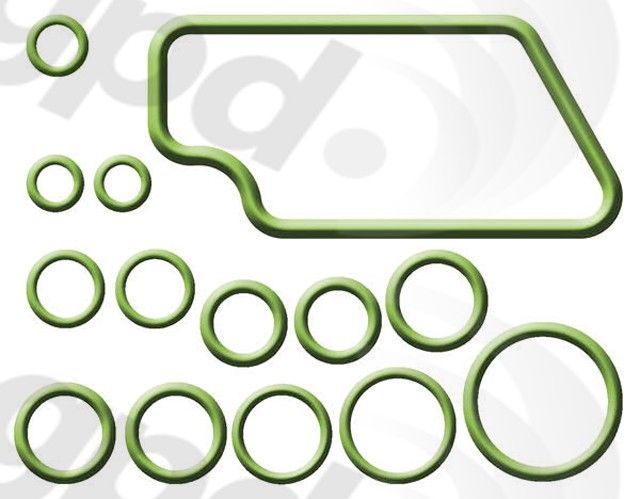
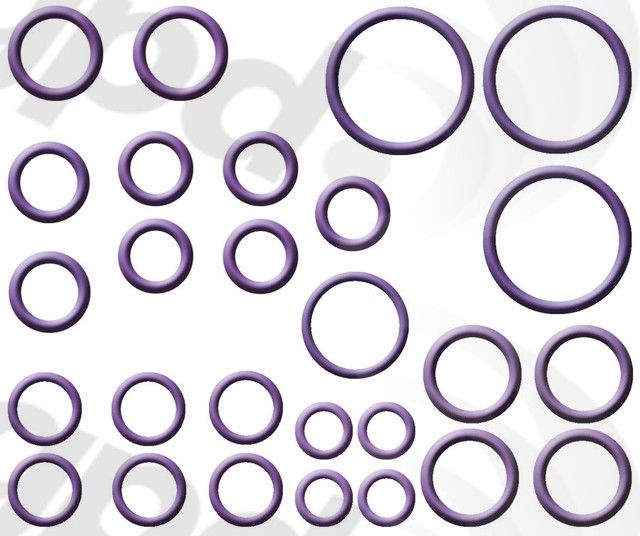
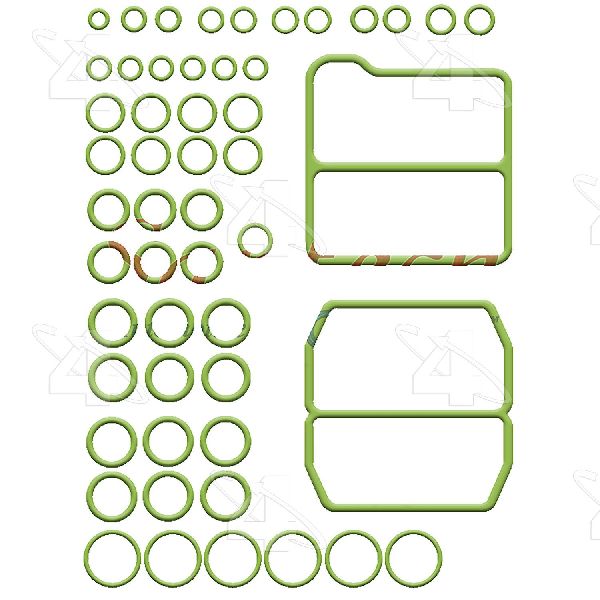
- An A/C o-ring and gasket kit is a crucial part of fixing the most common A/C problem on a 2011-2018 Cayenne: refrigerant leaks.
- This repair is not DIY-friendly; it requires specialized equipment to evacuate and recharge the R134a refrigerant system legally and safely.
- Quality aftermarket kits from brands like Four Seasons are a reliable and cost-effective alternative to individual OEM seals.
- Always replace the receiver/drier anytime the A/C system is opened to ensure longevity and proper performance.
Stop the Leak, Restore the Cold
If your 2011-2018 Porsche Cayenne’s air conditioning isn't as cold as it used to be, the most likely cause is a refrigerant leak. While the condenser at the front of the vehicle is a common victim of road debris, the many o-rings sealing the system's connections are also frequent failure points. These small rubber parts are the weakest link in a system that holds refrigerant under high pressure. Fortunately, replacing them is a standard part of most A/C repairs.
Symptoms of a Failing A/C O-Ring
A leak in the A/C system, often from an o-ring, will present several clear symptoms:
- Weak or Warm Air: This is the most obvious sign. As refrigerant levels drop, the system's ability to cool the air diminishes until it eventually stops working altogether.
- A/C Compressor Cycling On and Off: Low refrigerant levels cause system pressures to be incorrect. The vehicle's sensors will detect this and may rapidly cycle the compressor clutch on and off, or prevent it from turning on at all to avoid damage.
- Oily Residue at Connections: Refrigerant circulates with a special oil to lubricate the compressor. When refrigerant leaks, it carries this oil with it, leaving a greasy, dirt-attracting film on the A/C lines, fittings, or compressor body.
- Hissing Sounds: You might hear a hissing noise from under the hood or behind the dashboard when the A/C is running, which can be the sound of refrigerant gas escaping.
Professional Service Required
Replacing A/C o-rings requires specialized equipment to safely recover any remaining refrigerant, pull a deep vacuum on the system to remove moisture, and recharge it with the precise amount of R134a refrigerant. This is not a DIY job for most home mechanics.
Choosing the Right Aftermarket Kit
For a part like an o-ring and gasket kit, there is little practical difference between OEM and a quality aftermarket kit for the Cayenne. The critical factors are that the o-rings are made from the correct material—HNBR (Hydrogenated Nitrile Butadiene Rubber)—and are the correct sizes for your vehicle's connections. Aftermarket brands like Four Seasons and Global Parts (GPD) are well-established suppliers in the A/C industry. For a set of seals, these brands offer a cost-effective and reliable alternative to expensive dealership parts. Given the choice, Four Seasons has a generally positive reputation among mechanics for its A/C components.
| Item | Estimated Cost |
|---|---|
| New Aftermarket O-Ring Kit | $24 - $39 |
| OEM O-Rings (Purchased Individually) | $80 - $200+ |
| Shop Labor (Evacuate, Replace Seals, Recharge) | $350 - $600 |
Pro Tip: Replace More Than Just the O-Rings
Anytime the A/C system is opened for repair, it is standard practice to also replace the A/C Receiver/Drier (or desiccant bag). This component absorbs moisture from the system, and its ability to do so is compromised once exposed to outside air. Failing to replace it can lead to corrosion and premature failure of expensive components like the compressor.
Frequently Asked Questions
Do I have to replace all the o-rings if only one is leaking?
It is highly recommended. The labor to properly evacuate and recharge the system is the most expensive part of the job. Since all the o-rings are the same age and have been exposed to the same conditions, it is cost-effective to replace all of them at once rather than risk another failure soon after the repair.
What type of refrigerant does my 2011-2018 Cayenne use?
The 2011-2018 Porsche Cayenne uses R134a refrigerant. Newer models have switched to R1234yf, and the two are not compatible.
Is a UV dye test necessary to find the leak?
A UV dye test is the most effective way for a technician to pinpoint the exact source of a refrigerant leak. The dye is added to the system and circulates with the refrigerant and oil. When it escapes, it leaves a bright trace that is visible under a UV light, confirming whether the leak is from an o-ring, a hose crimp, or a hole in the condenser.
Are there any recalls for A/C leaks on the Cayenne?
There are no major safety recalls for the A/C system o-rings on the 2011-2018 Cayenne. Porsche did issue a Technical Service Bulletin (TSB 174/23ENU) for newer 2019-2024 models regarding twisted o-rings at the compressor connection causing leaks, but this does not officially apply to the 958 generation.
Technical Specifications
OEM Part Numbers: 95557374903 99970743941 95557374901
Material: HNBR (Hydrogenated Nitrile Butadiene Rubber); Compatible Refrigerant: R134a; Compatible Oil: PAG 46
We Have This Part in Stock

The information in this article is provided for general reference and educational purposes only. Vehicle specifications, procedures, and part compatibility can vary by production date, trim level, and region. Always consult your vehicle's factory service manual and verify part numbers before purchasing or performing repairs. Safety-critical components such as airbags, seat belts, and braking systems should be installed by a qualified professional.
- Porsche Cayenne: